Spring
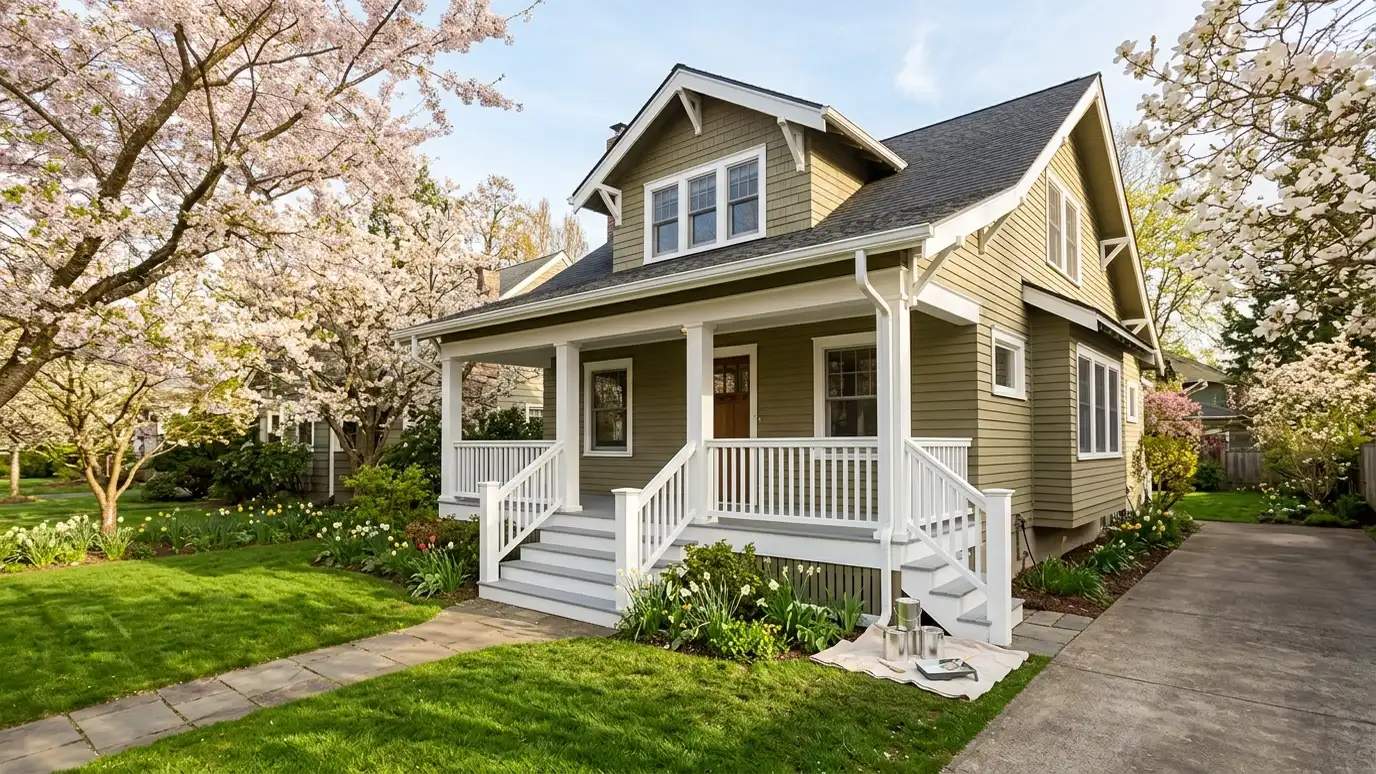
Spring brings mild temperatures and lower humidity at times, which makes it a popular season for exterior painting. Pollen can settle on wet paint, so washing and timing matter.
Spring storms can interrupt schedules, so flexibility helps.
Book early, since many homeowners want the same weeks.
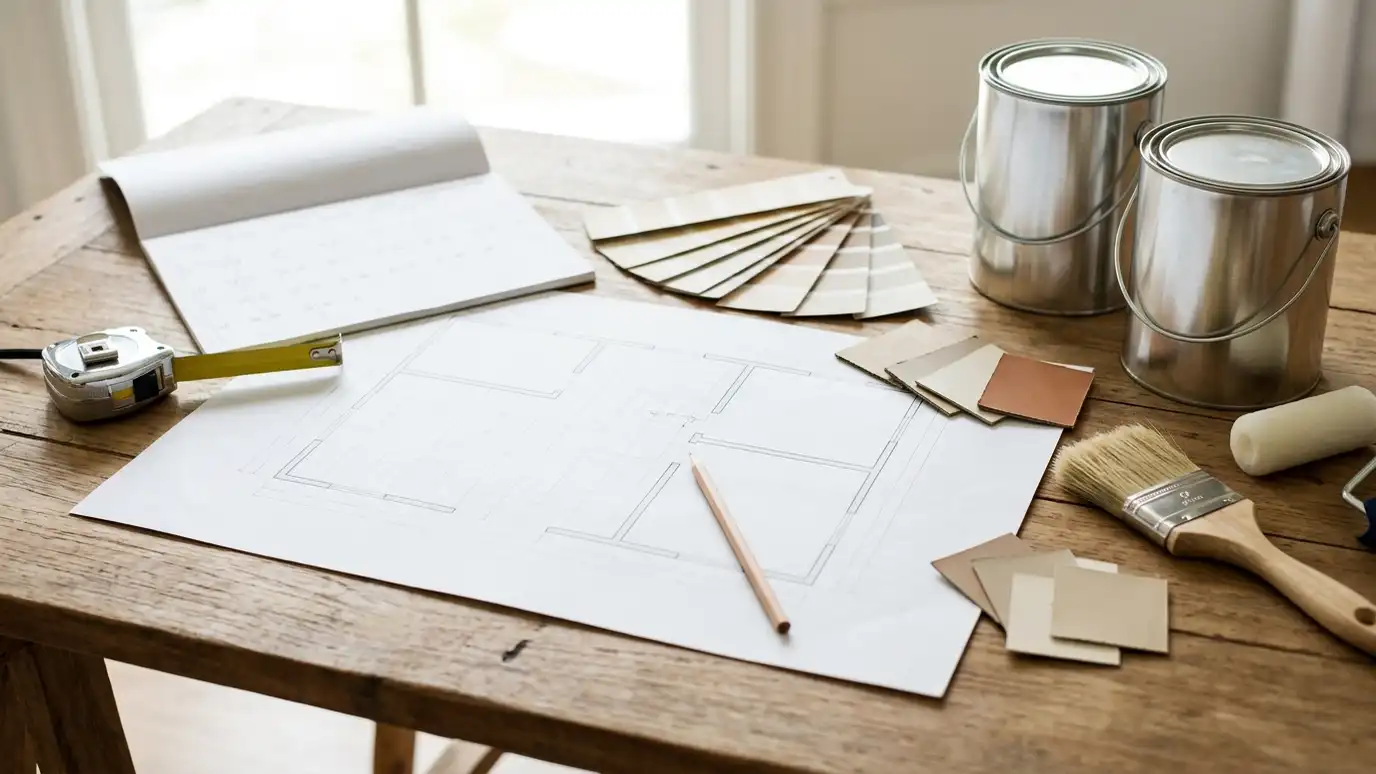
If you are planning an exterior project for spring, start talking to painters in winter. Early planning gets you a better schedule and time to choose colors.
Summer
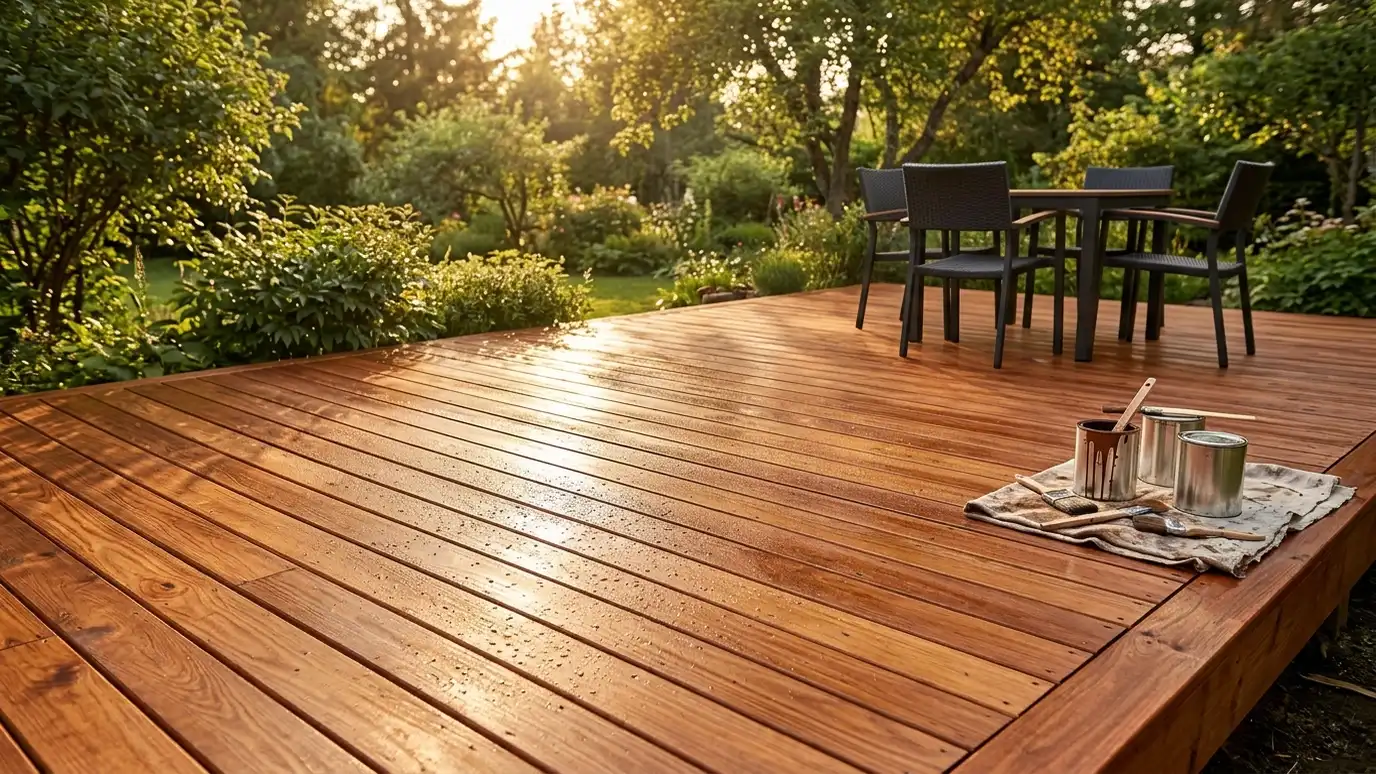
Summer heat and humidity are tough on exterior painting. Paint dries fast on hot surfaces and can blister or lap, and humid mornings slow drying.
We paint shaded sides in the heat and move with the sun. Interior painting is comfortable in summer with air conditioning running.
Plan for afternoon storms and early starts.
Early mornings in summer are cooler and less humid. Painters often start on shaded sides and move around the house as the sun moves.
Fall
Fall is another favorite for exteriors, with mild temperatures and drier air. Leaves can stick to wet paint, so we plan cleanup and timing.
Cool nights and morning dew can delay work, so we start when surfaces are dry.
Book ahead, since fall is busy.
Fall color choices often look beautiful against changing leaves. Ask for samples in autumn light to see how they will look year-round.
Winter
Many exterior paints need temperatures above a minimum, usually in the forties, to cure properly. Mild winter days can work, but cold snaps cause delays.
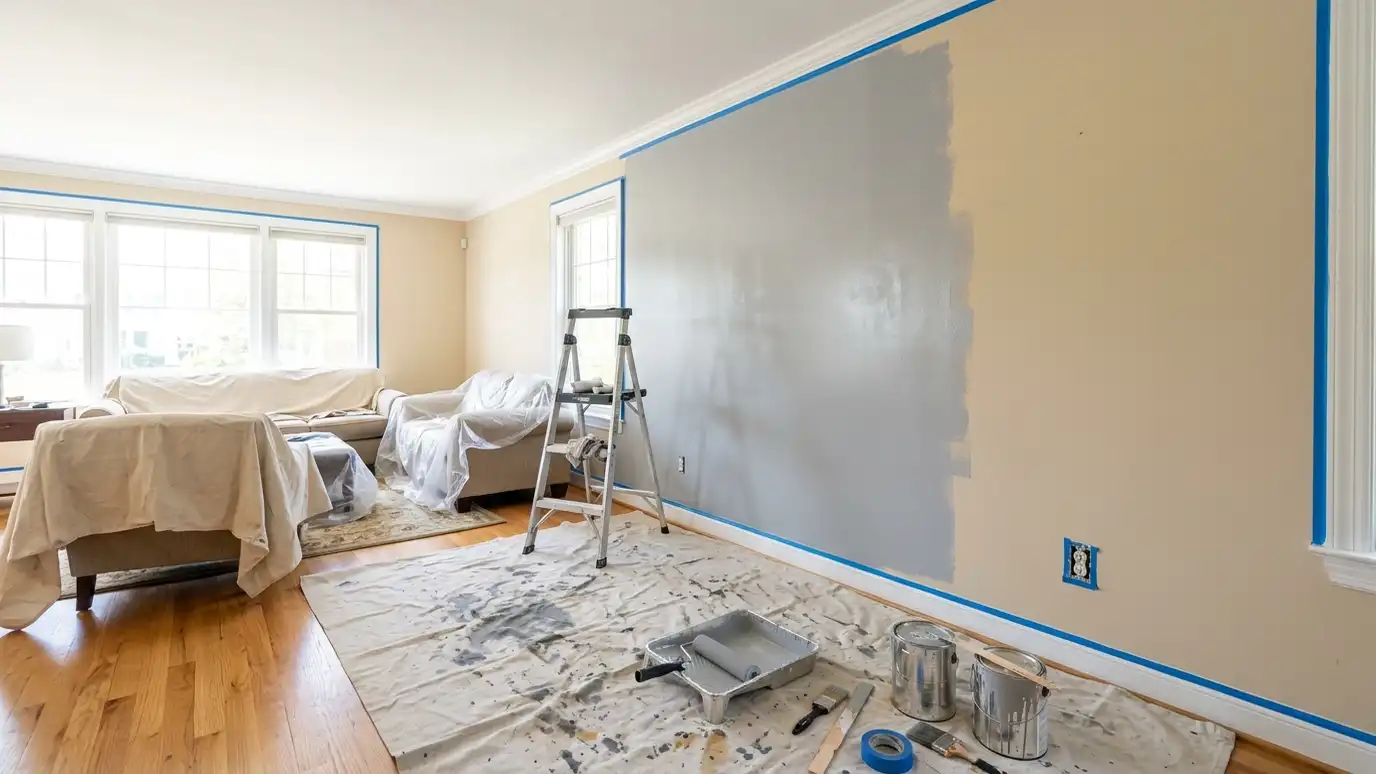
Interior work is excellent in winter, since homeowners are indoors and projects can be scheduled easily.
Heated, ventilated rooms help paint dry.
On a mild winter day, a painter may be able to work on exteriors, but the product label sets the minimum temperature. We follow it.
Humidity and moisture
High humidity slows drying and can cause paint to stay tacky or blush. Wet surfaces, dew and rain can ruin a fresh coat.
We check conditions, wait for dry surfaces and avoid painting when rain is expected soon.
Interior painting is less affected, though ventilation matters.
If a morning is humid or foggy, we wait until surfaces are dry. Patience protects the finish and avoids tacky or blushing paint.
Planning your project
Interior painting works year-round. Exterior work is best planned for mild, dry stretches in spring and fall, with flexibility for weather.
Ask your painter how they handle weather delays and what the schedule includes.
A good plan protects both the finish and your patience.
Interior painting is a great winter project, because you are home anyway and the weather does not matter.
Paint interiors any time, and plan exteriors for mild, dry days in spring and fall.