Clear and protect
Move small items off walls and shelves, take down pictures and mirrors and clear the area along walls. Furniture can often be moved to the center of the room, where painters will cover it.
Remove fragile or valuable items from rooms being painted and put them somewhere safe.
Roll up or protect rugs. Painters will lay drop cloths, but fewer items means faster, tidier work.
The simplest prep is taking things off the walls. Remove pictures, mirrors and nails you do not need, and collect them in a box so they stay together and safe.
Plan for pets and children
Keep pets in a safe room or away from the work area. Open doors and fresh paint are a risky mix for pets.
Plan where children will play, and tell painters about any allergies or sensitivities so we can choose low-odor products.
Keep medications, valuables and personal papers out of work areas.
Tell the crew which pets are in the home, how they behave around strangers and where they should stay. A shared plan keeps animals safe and the work moving.
Share information
Tell the crew about any areas that concern you: old stains, repairs, known leaks or surfaces that have been painted recently. Share color choices and any touch-up paint you already have.
Provide the location of switches, water shutoff and the alarm code if needed.
Let us know about parking, access and any building rules.
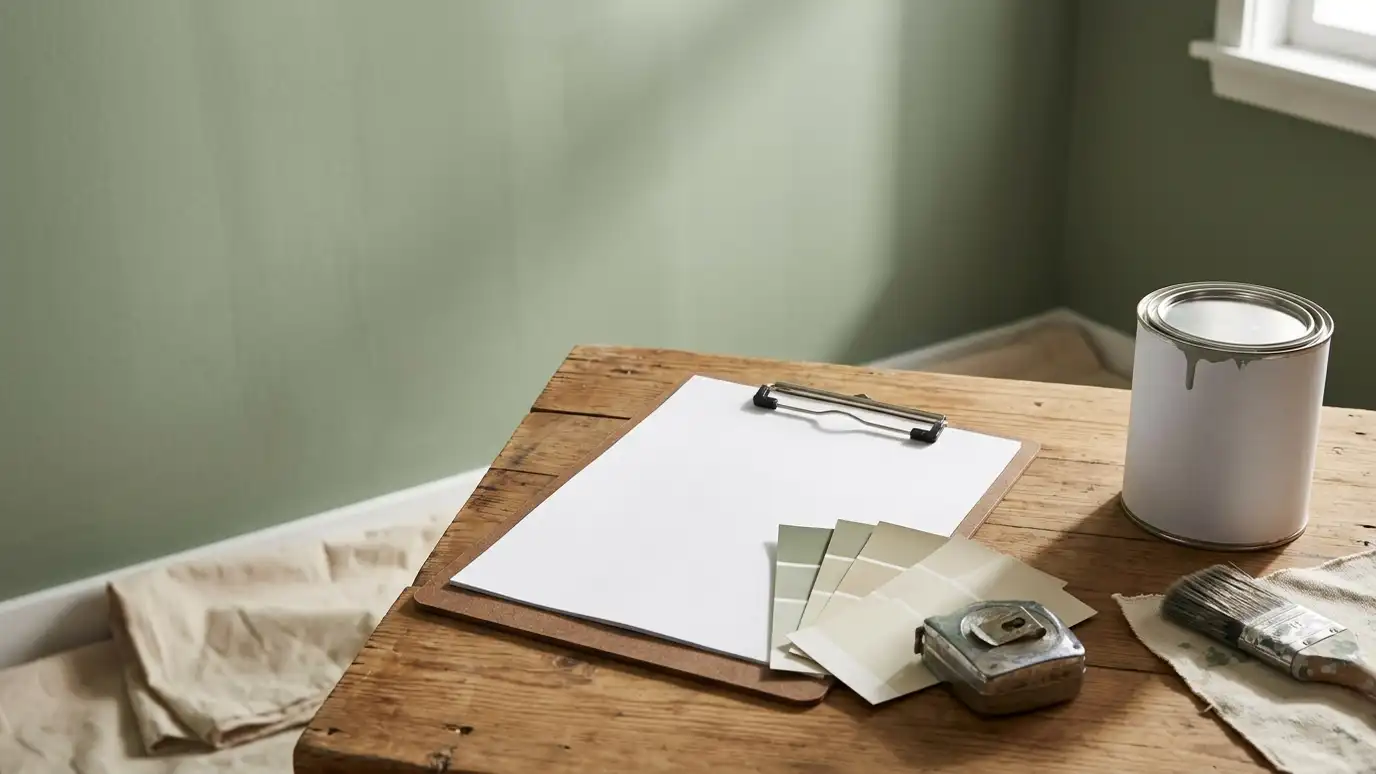
If you have leftover paint from a previous project, show it to us. Sometimes it can be used for touch-ups, and sometimes it helps us match a color.
Prepare surfaces
Wipe dust and cobwebs from walls and trim if you can. Clean greasy areas near stoves.
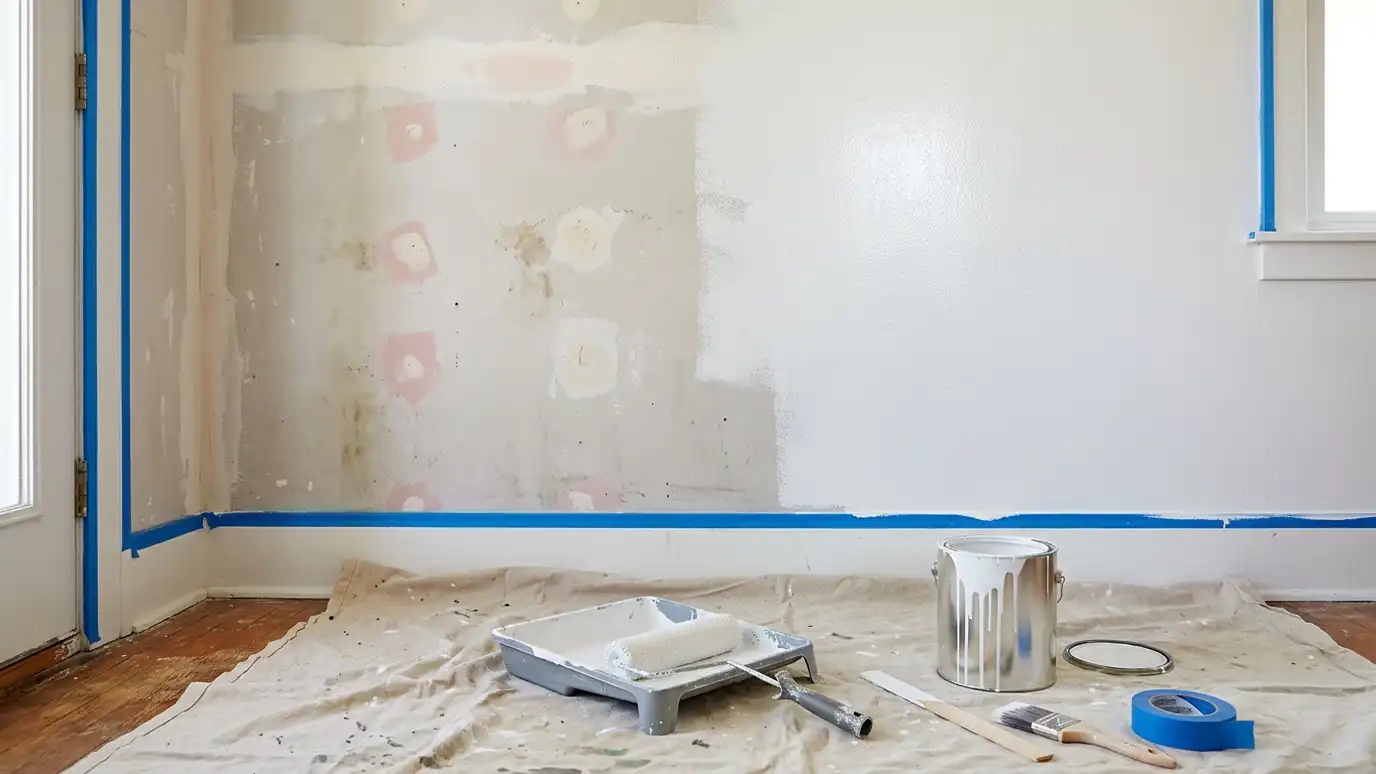
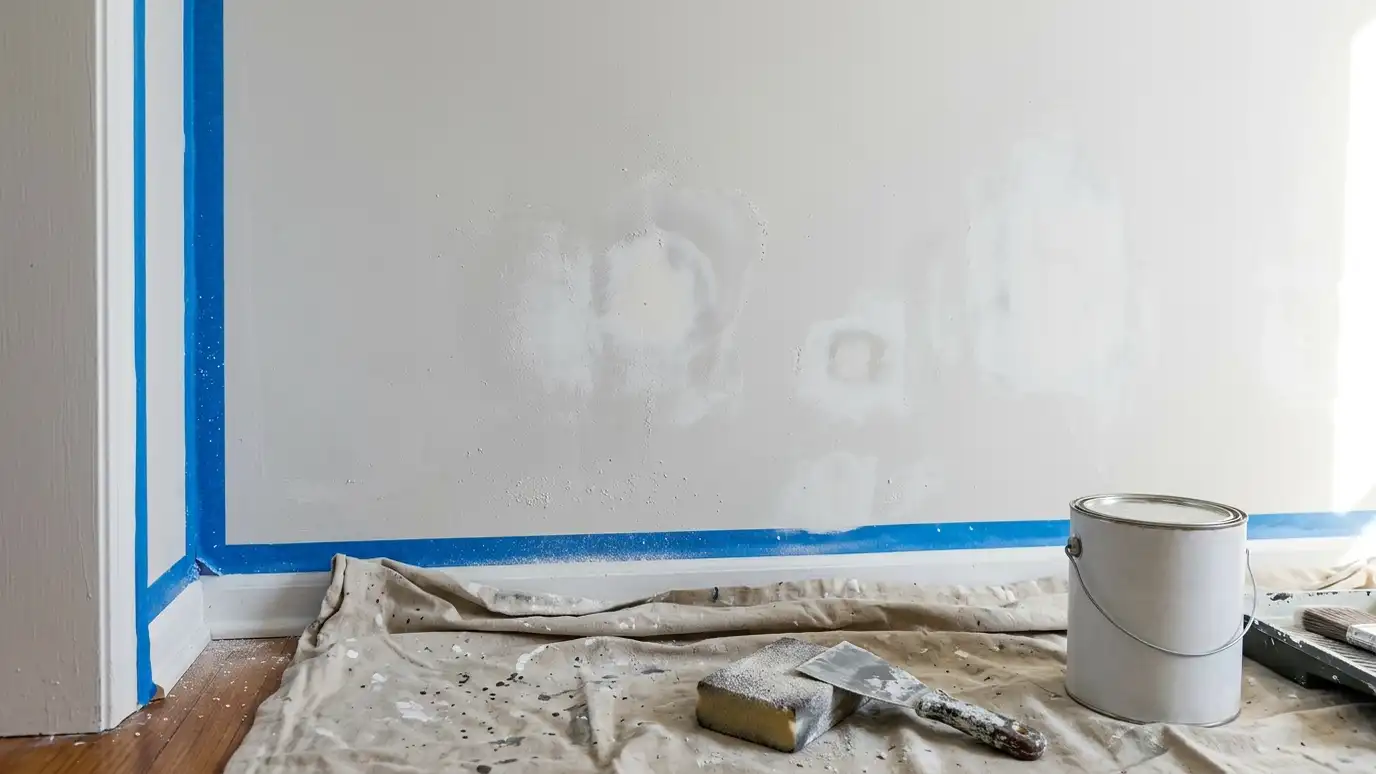
Do not patch walls before we arrive unless you have discussed it. Patches that are not sanded or primed can show through paint.
If you have wallpaper or unusual surfaces, tell us ahead.
Do not worry about making surfaces perfect. We handle repair and prep as part of the job, and our work is more effective when we can see the true condition of the walls.
Exterior preparation
Trim shrubs and plants back from the house, move outdoor furniture and grills and clear the area near walls. Cover or move cars away from the work area.
Turn off sprinklers near the house during painting and drying.
Tell neighbors about the project, especially if spraying or scaffolding is planned.
If your exterior has outdoor lighting, cameras or decorations, mention them so we can protect or move them. Small items are easy to forget until the day of work.
During and after the project
Expect some noise and activity. Keep communication open and ask questions. We will tell you about drying times and when to avoid touching walls.
After painting, wait for paint to cure before heavy cleaning or hanging items. We explain how long to wait.
Keep a small amount of leftover paint labeled for touch-ups.
After the project, keep the room ventilated and avoid heavy cleaning for a few days. Paint dries quickly but cures slowly, and gentle care helps the finish harden.
A clear space, a safe plan for pets and good communication make painting faster and tidier.