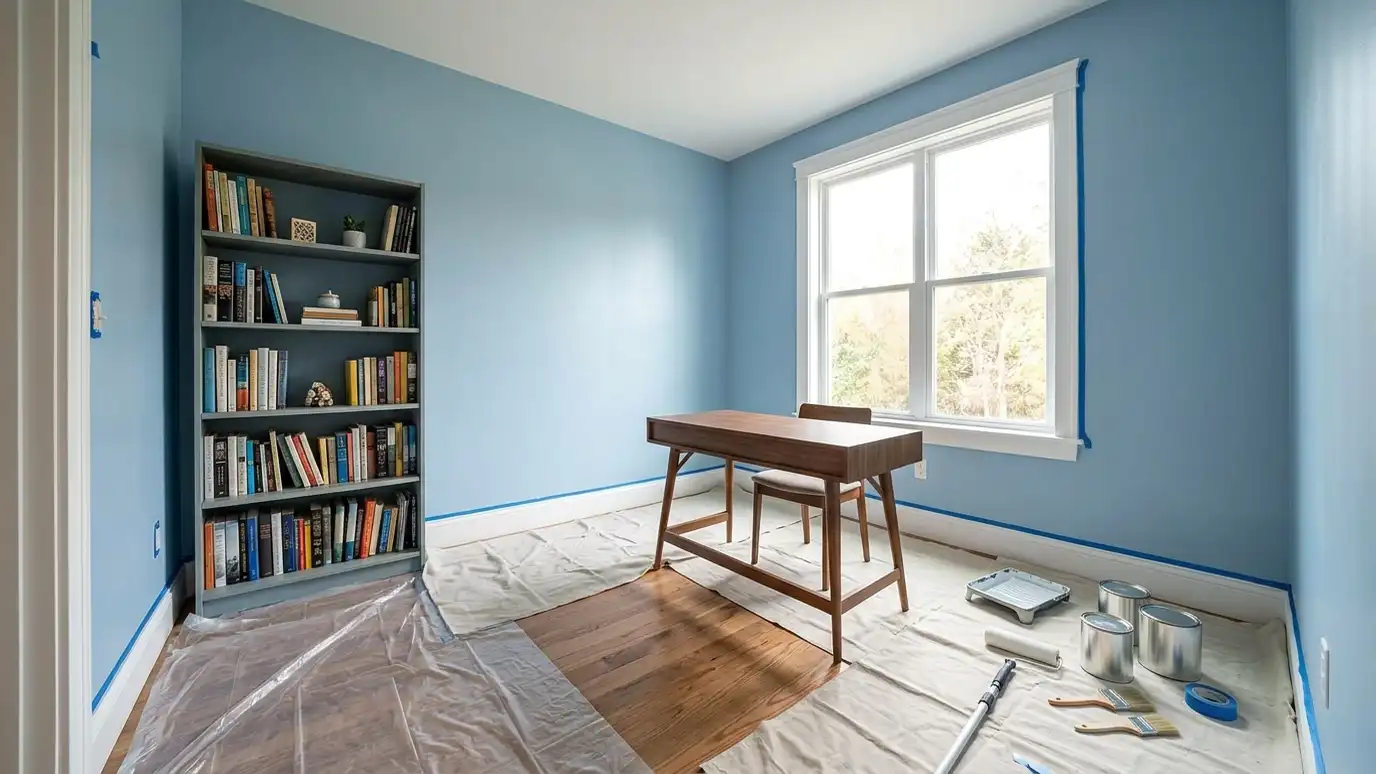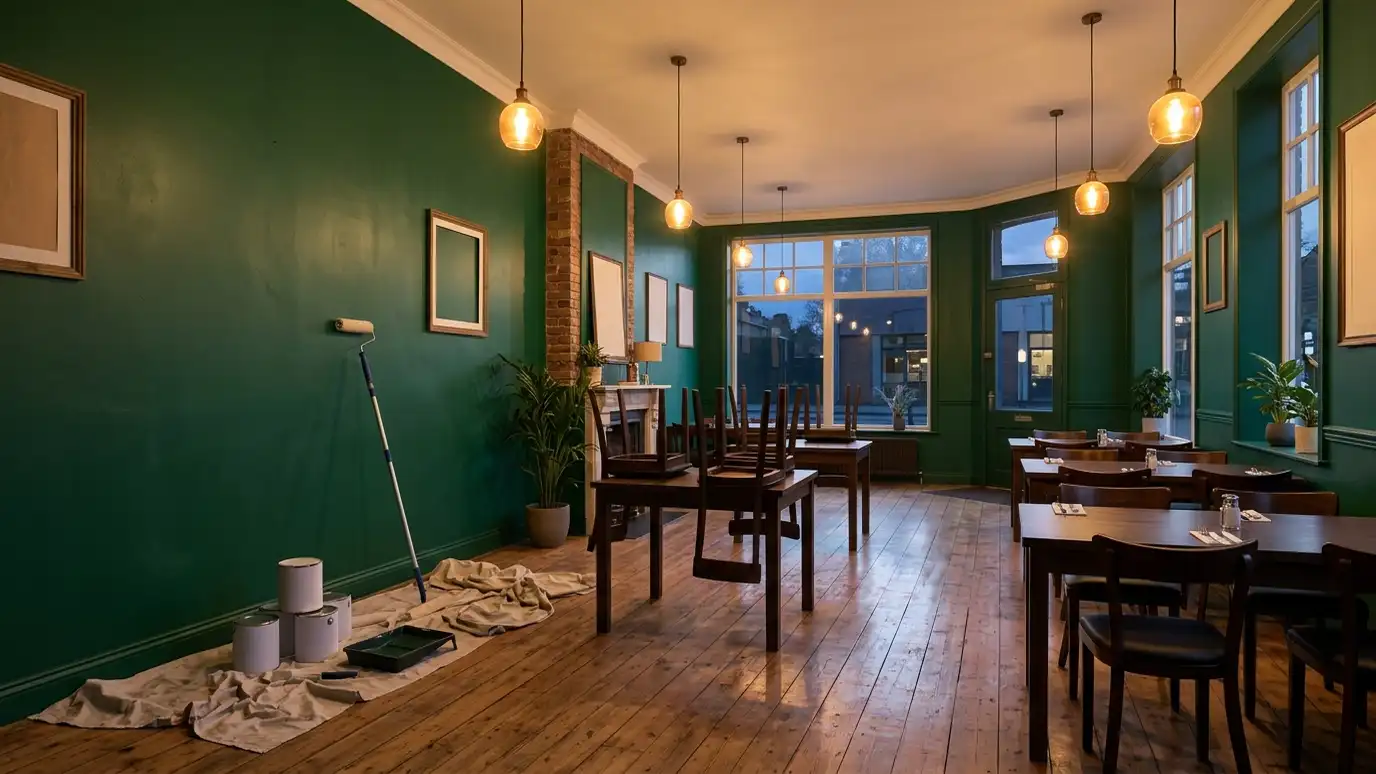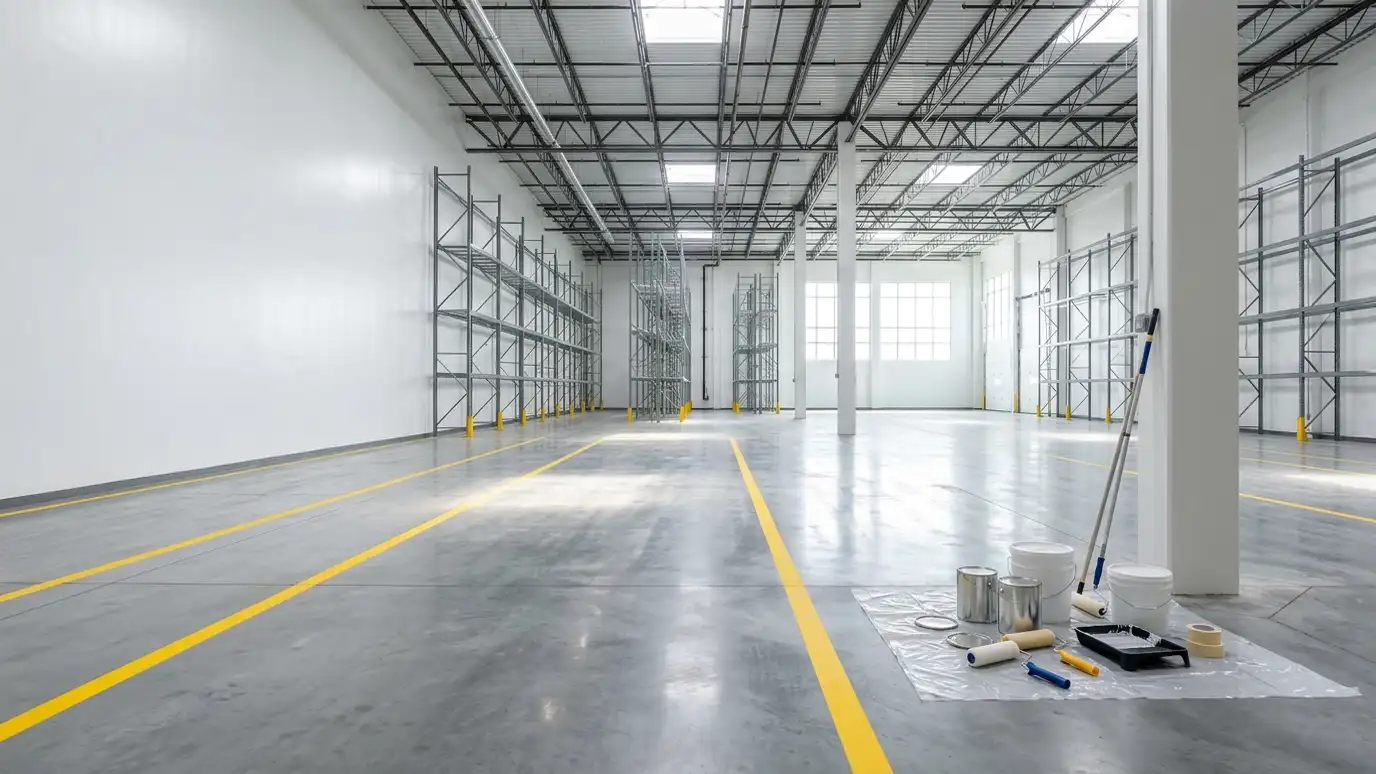
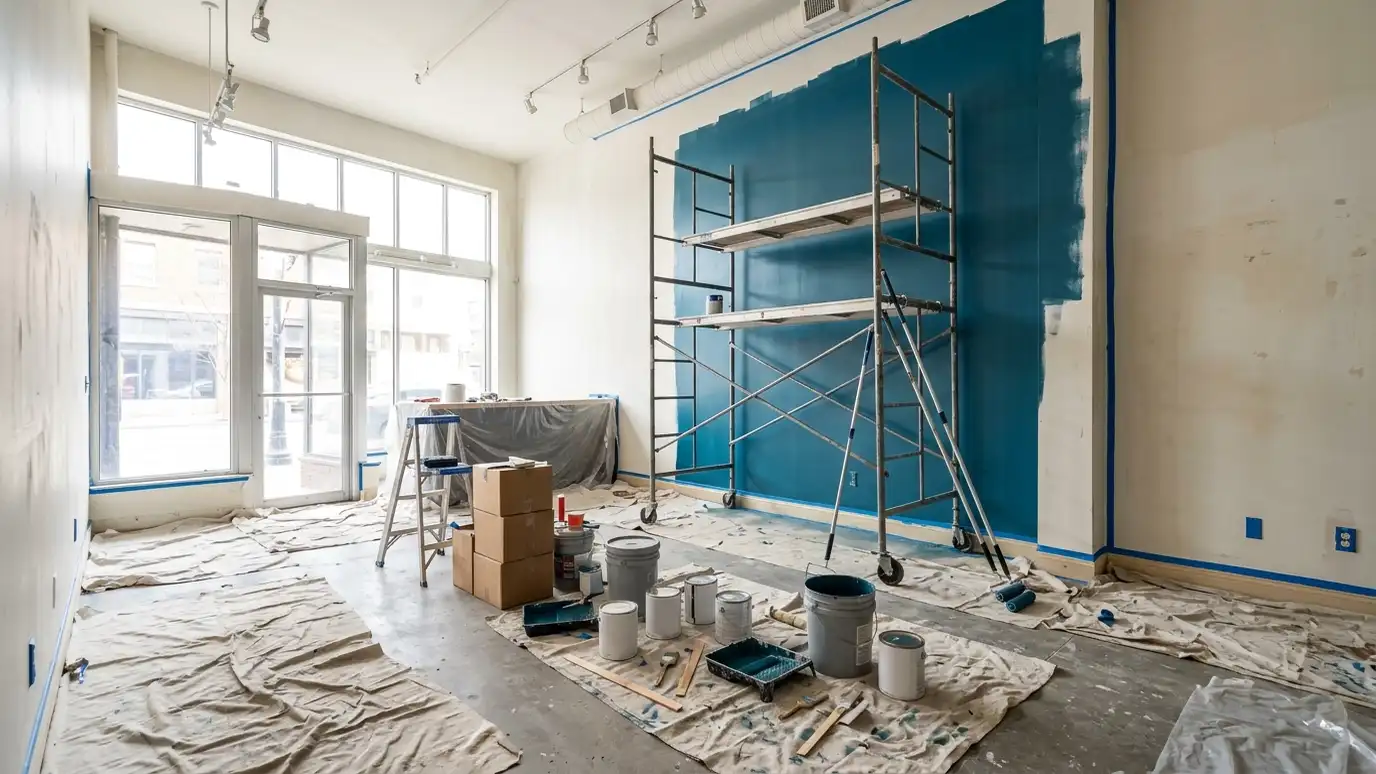
Define the scope
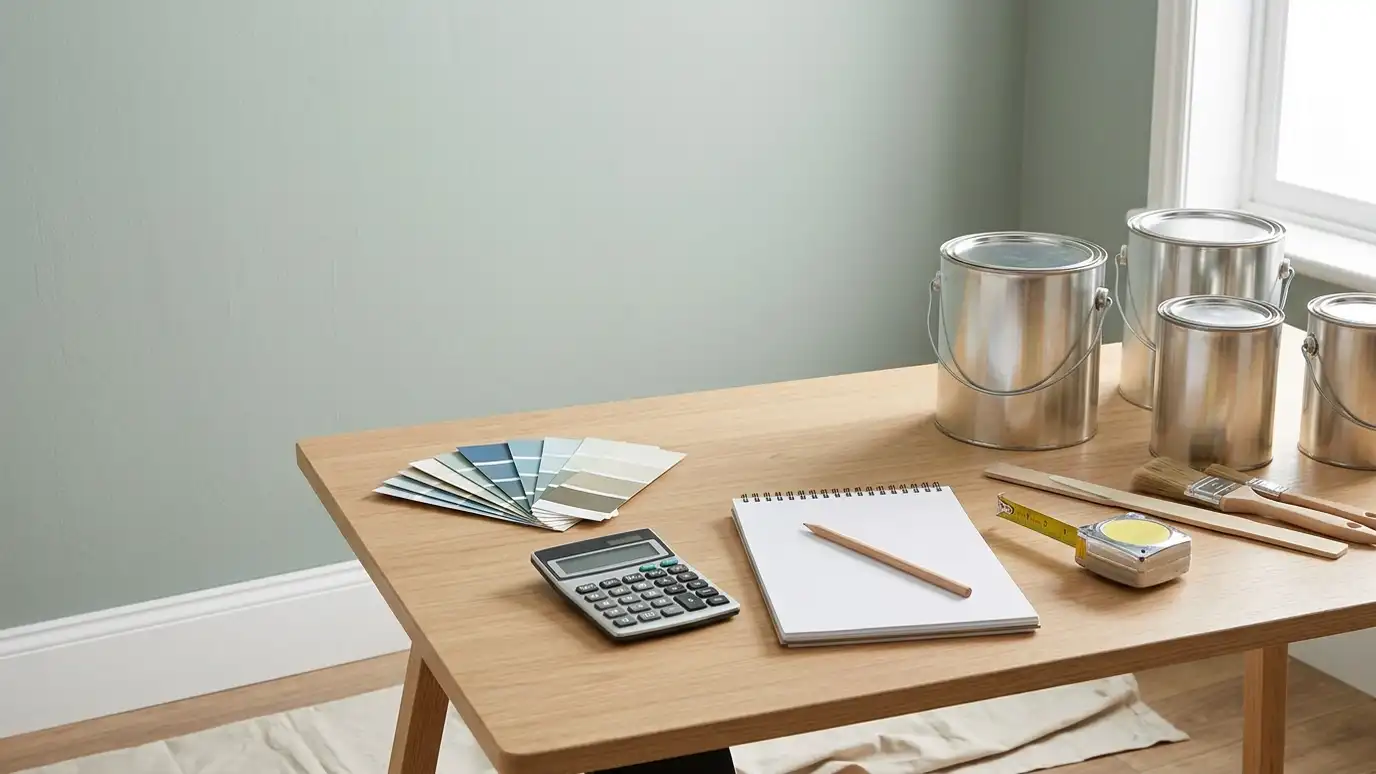
List areas to paint, surfaces, heights and special conditions. Note what must stay open and what can close.
Share brand colors, finish requirements and lease obligations.
A clear scope helps every bid be comparable.
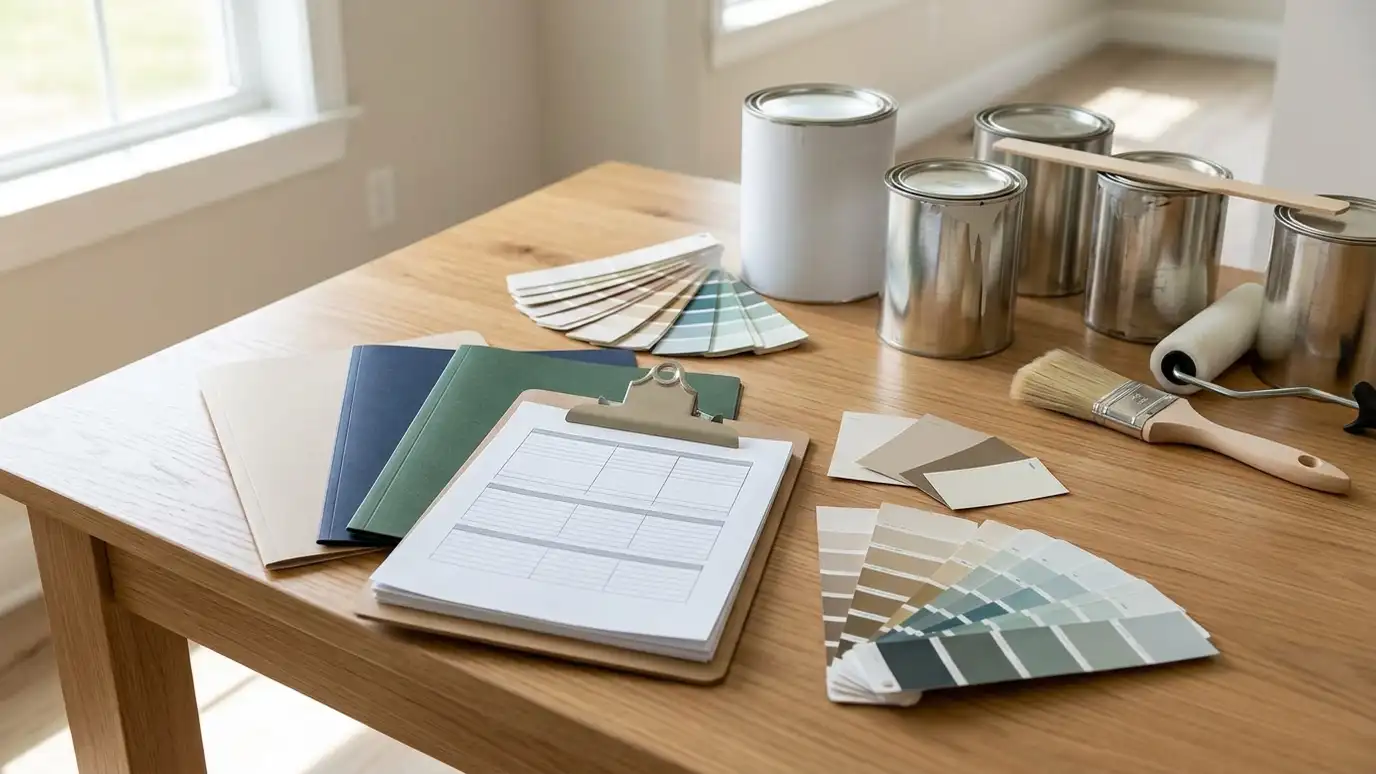
Before bids, gather brand standards, color codes, floor plans and any lease requirements. Complete information leads to more accurate quotes. Photos of each space, along with notes about hours, access and any rules from your landlord or property manager, help estimators plan the right crew size and schedule.
Schedule around your business
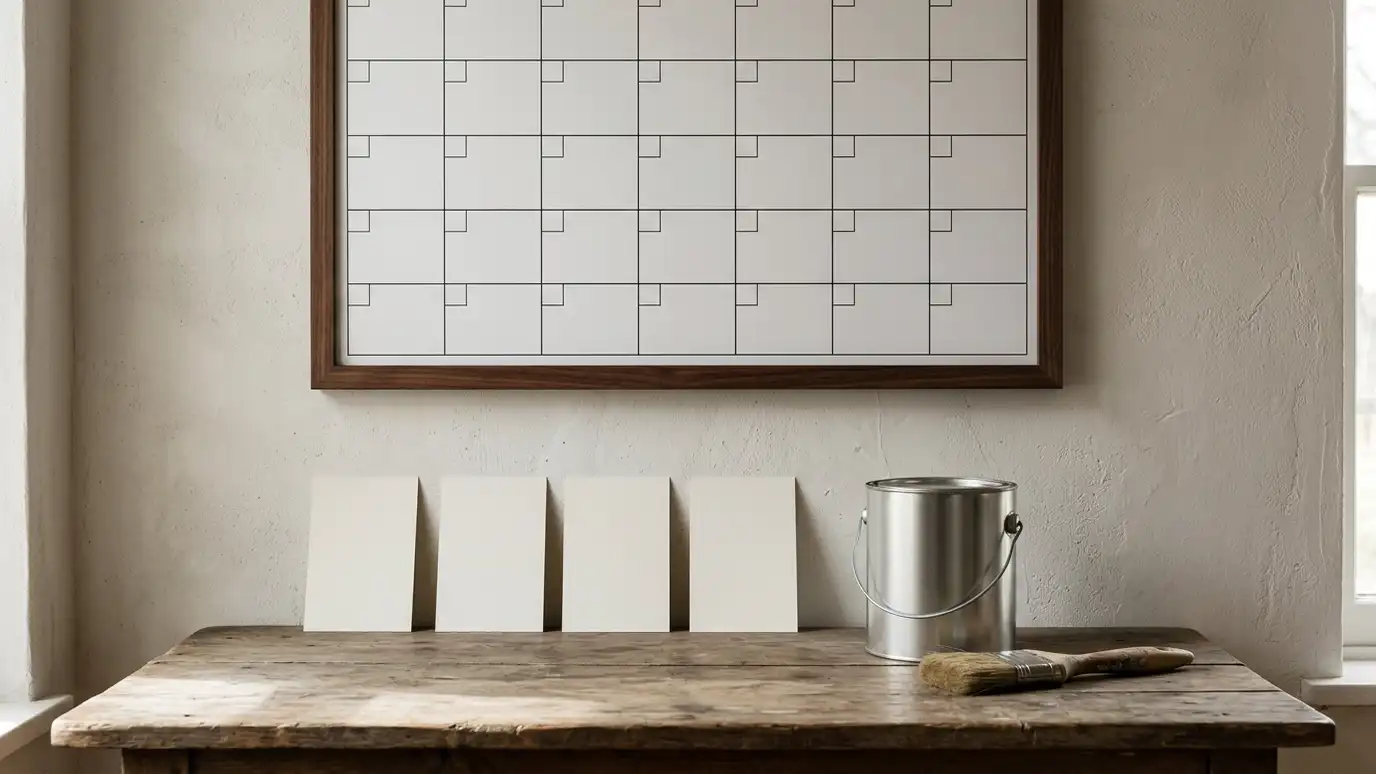
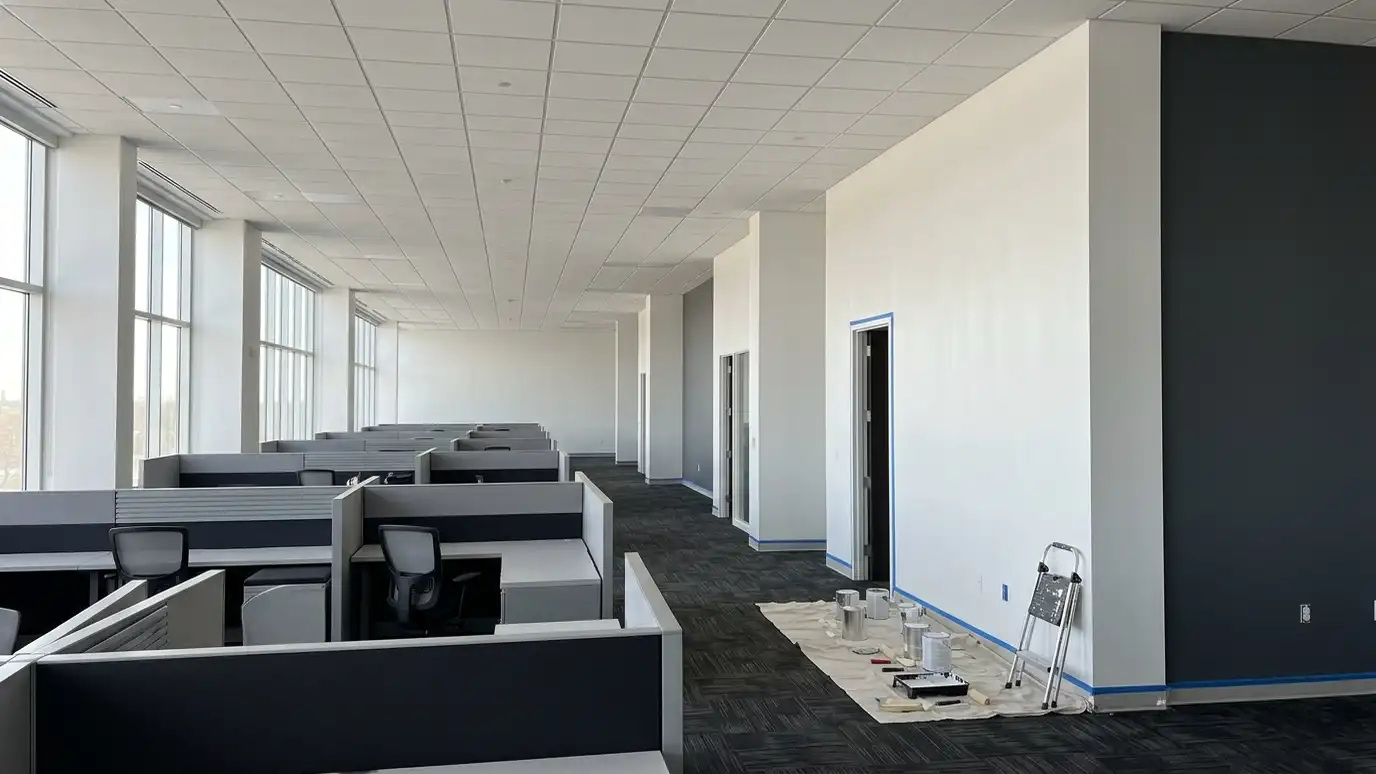
Commercial painting often happens after hours or on weekends. Phasing the work by area keeps part of the business open.
Plan for access, security and deliveries.
Communicate with staff and tenants.
Plan for security and access. After-hours work needs keys, codes and communication, and we confirm the details in advance. We also agree on where tools and materials can be stored, so nothing blocks exits, customer areas or equipment.
Choose the right coatings
High-traffic areas need washable, durable finishes. Restrooms and kitchens need moisture-resistant products. Low-odor products suit occupied buildings.
Metal, concrete and masonry need specialized coatings.
Ask what products are planned and why.
In restaurants and clinics, ask about odor and cleaning requirements. Low-odor coatings and careful cleanup are especially important. Some businesses also need paint finishes that can handle frequent sanitizing, so mention your cleaning routine at the estimate and we will recommend suitable coatings.
Safety and protection
Commercial sites need safe access, signage, ventilation and protection for equipment and merchandise.
Lifts and scaffolding require care.
Ask how the crew protects people and property.
Lifts, scaffolds and ladders should be used with care around customers and staff. We mark work areas clearly and keep paths safe. Wet-paint signs, barriers and clear communication with your team keep everyone comfortable while the work is underway.
Brand and appearance
Brand colors and finishes matter. Provide codes or samples, and test them in your lighting.
Accent walls and murals can strengthen identity.
Consistency across locations helps recognition.
If you have multiple locations, consider standardizing colors and finishes. It helps with consistency and makes touch-ups easier. A simple one-page spec with color names, codes and sheens can be shared with every vendor, which keeps your look consistent as you grow.
Communication and closeout
Agree on contacts, updates and a punch-list process. Walk the site at the end and document what is done.
Keep paint records for future touch-ups.
A clear closeout avoids disputes.
Keep a log of colors, sheens and dates for each location. It simplifies future work and keeps your appearance consistent. Photos taken at closeout also help document the condition of walls and trim, which is useful for leases, insurance questions and future planning.
Plan around your business, choose durable coatings and keep communication simple.