Every spring
Walk the exterior and look for peeling, chalking, cracked caulk and mildew. Wash siding and trim with a soft brush and mild cleaner, rinsing gently.
Check decks and fences for water absorption. If water soaks in rather than beads, it may be time to refresh the finish.
Trim shrubs back from walls.
A spring walk-around takes about twenty minutes and can catch small problems before they grow. Bring a notepad and a phone for photos. Compare this year's photos with last year's, and you will see where weather and sun are wearing the finish fastest.
Every summer
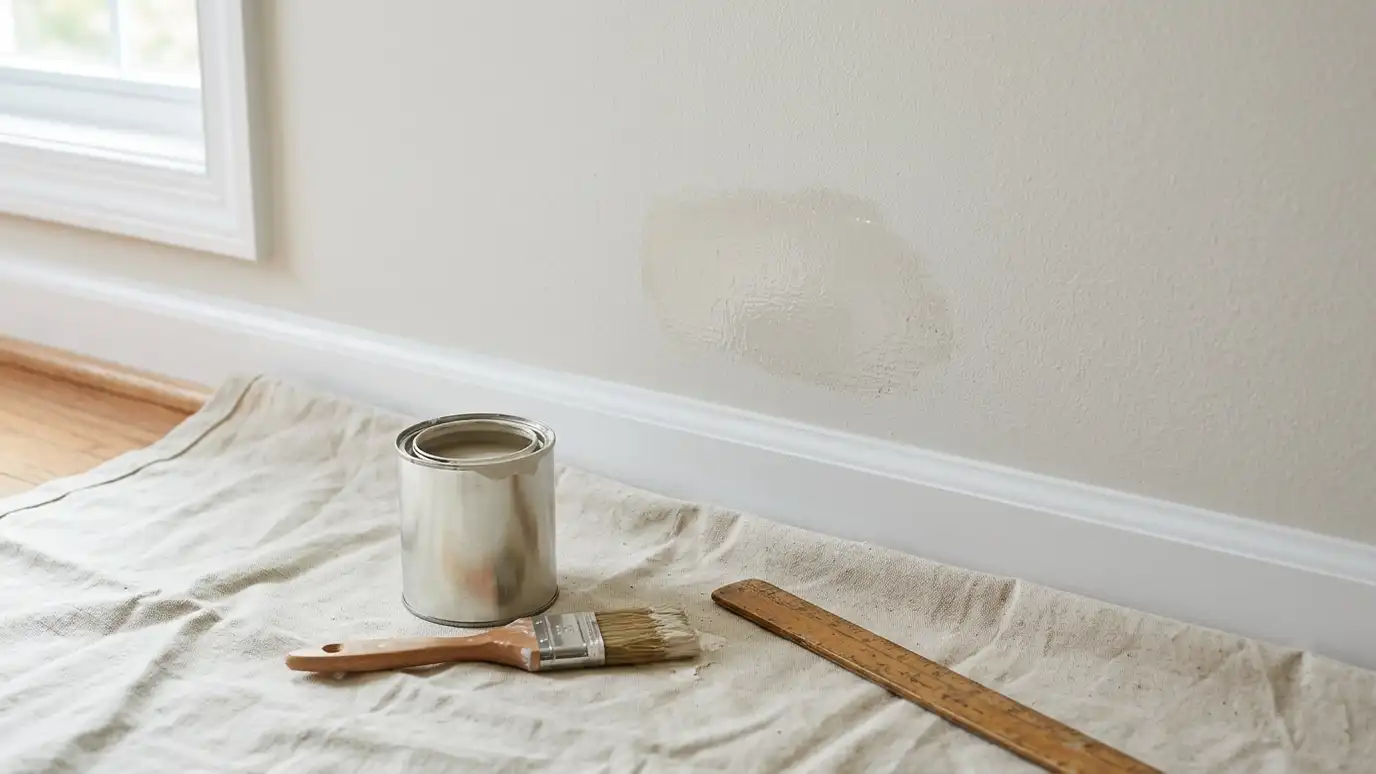
Check shaded areas for mildew. Touch up chipped paint and repair small cracks before storms.
Keep sprinklers away from walls and wood.
Inspect window and door trim for gaps.
In summer, check shady corners for green or black spots. Mildew spreads, and washing it early protects the paint. Also look under eaves and behind shrubs, where air does not move and surfaces stay damp for longer after rain.
Every fall
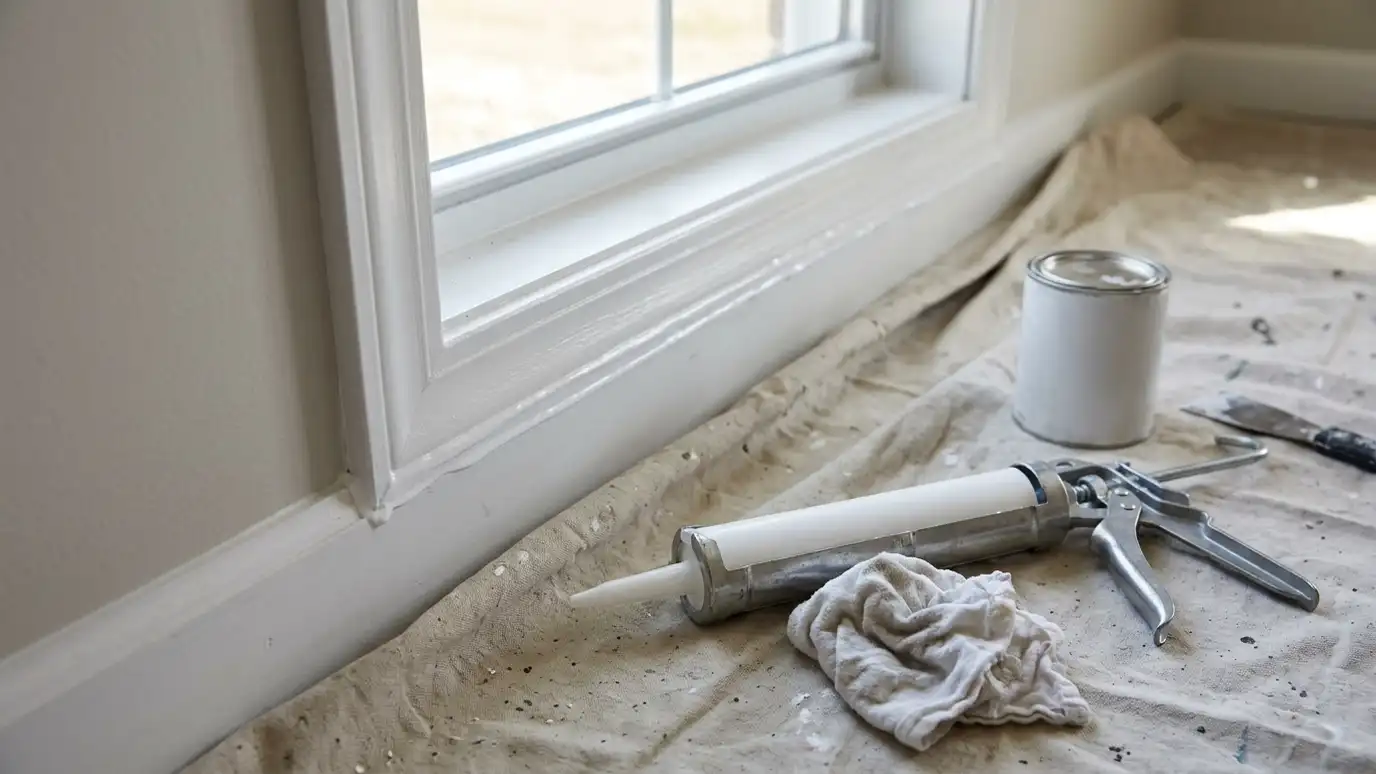
Clean gutters so water does not overflow and stain walls. Check caulk around windows and doors before cold weather.
Inspect porch floors, railings and steps.
This is a good time to book exterior projects for next spring.
Fall gutter cleaning protects walls and fascia. Overflowing gutters stain and soak wood and drywall. Make sure downspouts carry water well away from the house, since splashing at the base of a wall is a common cause of peeling.
Every winter
Inspect interior walls and ceilings for stains, which can signal leaks. Check bathrooms and kitchens for peeling or bubbling.
Wash scuffed walls gently with mild soap and a soft cloth.
Use winter for interior touch-ups and projects.
Winter is a good time to inspect ceilings and walls. Stains often show up after heavy rain or snowmelt. Mark the edge of any stain lightly with a pencil and date it, so you can tell whether it is growing or dry.
Drywall care
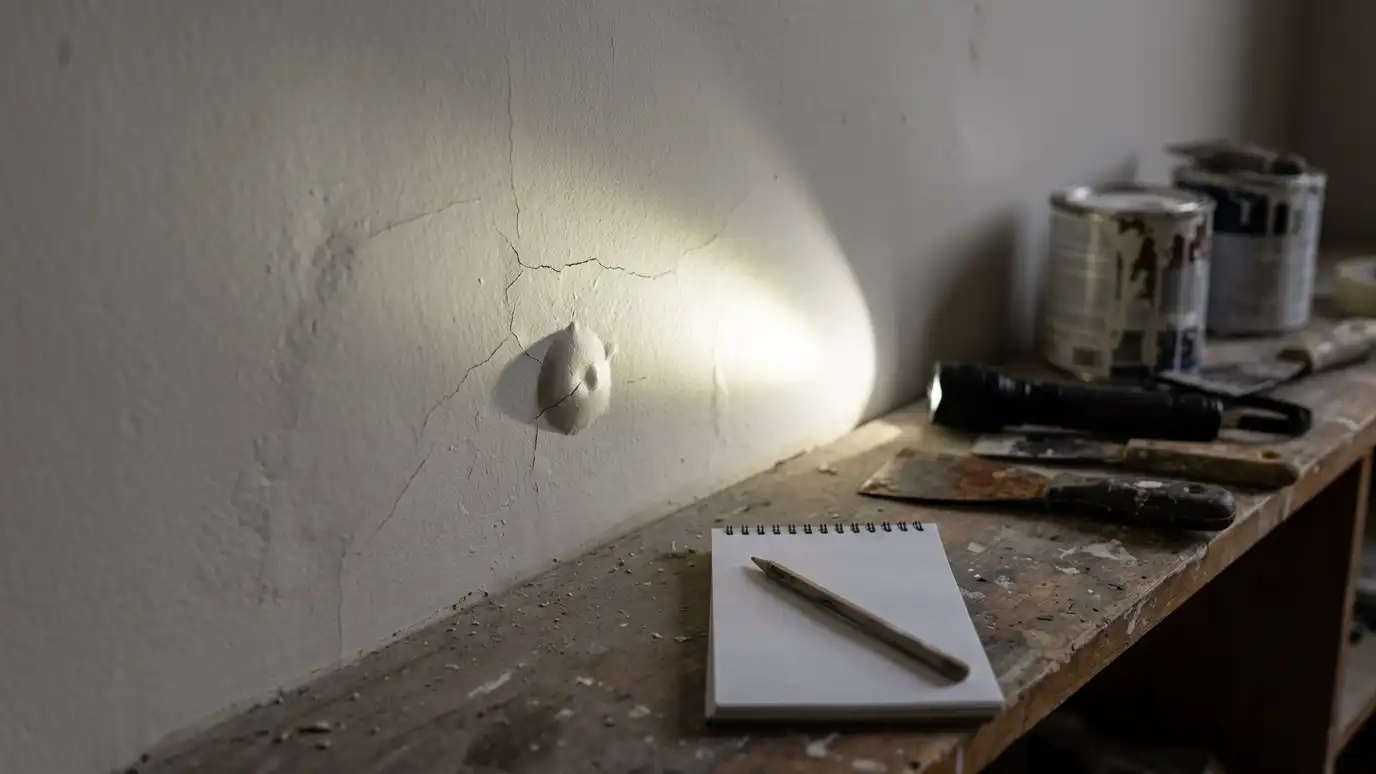
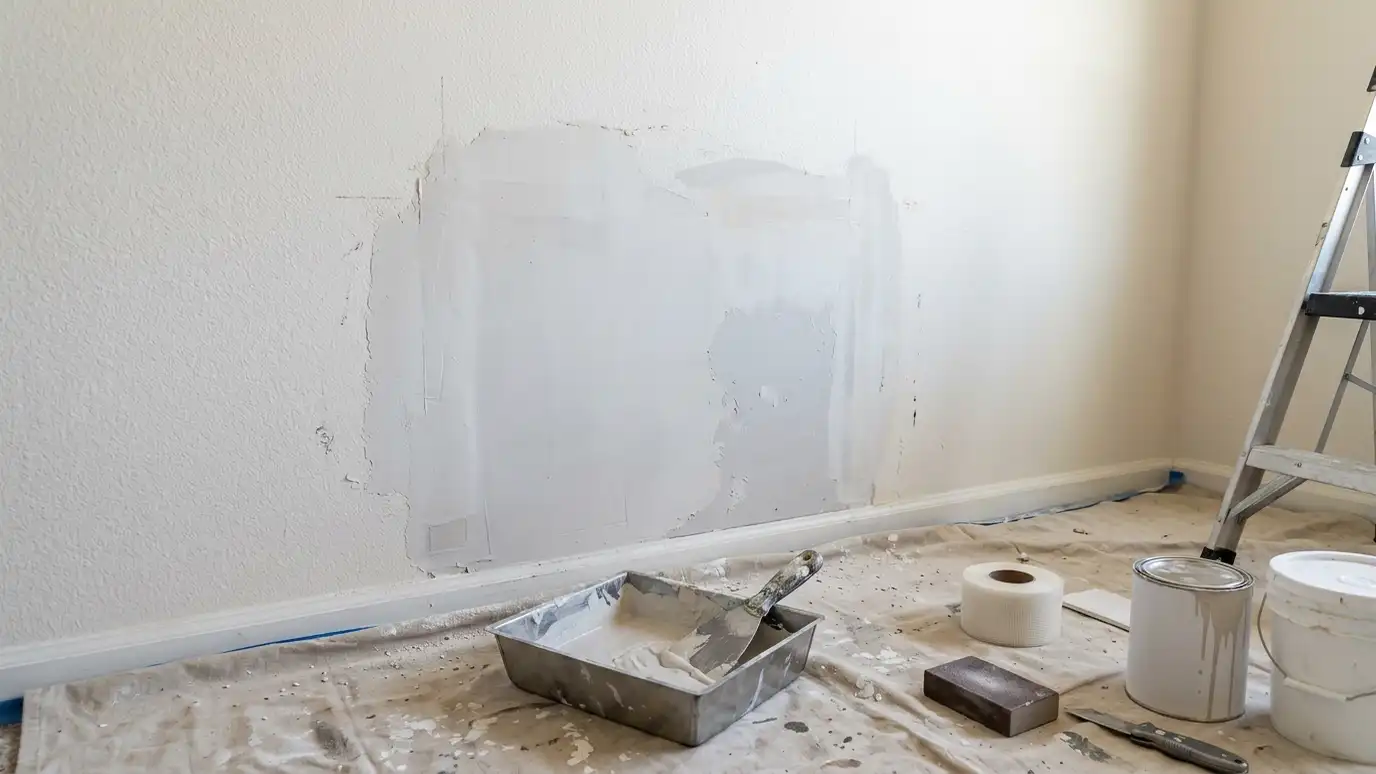
Look for nail pops, cracks and stains. Small cracks and pops can be repaired before they spread. Water stains need the source fixed.
Be gentle when hanging items, and use proper anchors.
Take photos of changes so you can track them.
When hanging heavy items, use anchors rated for the weight. It prevents holes that tear drywall and need repairs.
Keep records
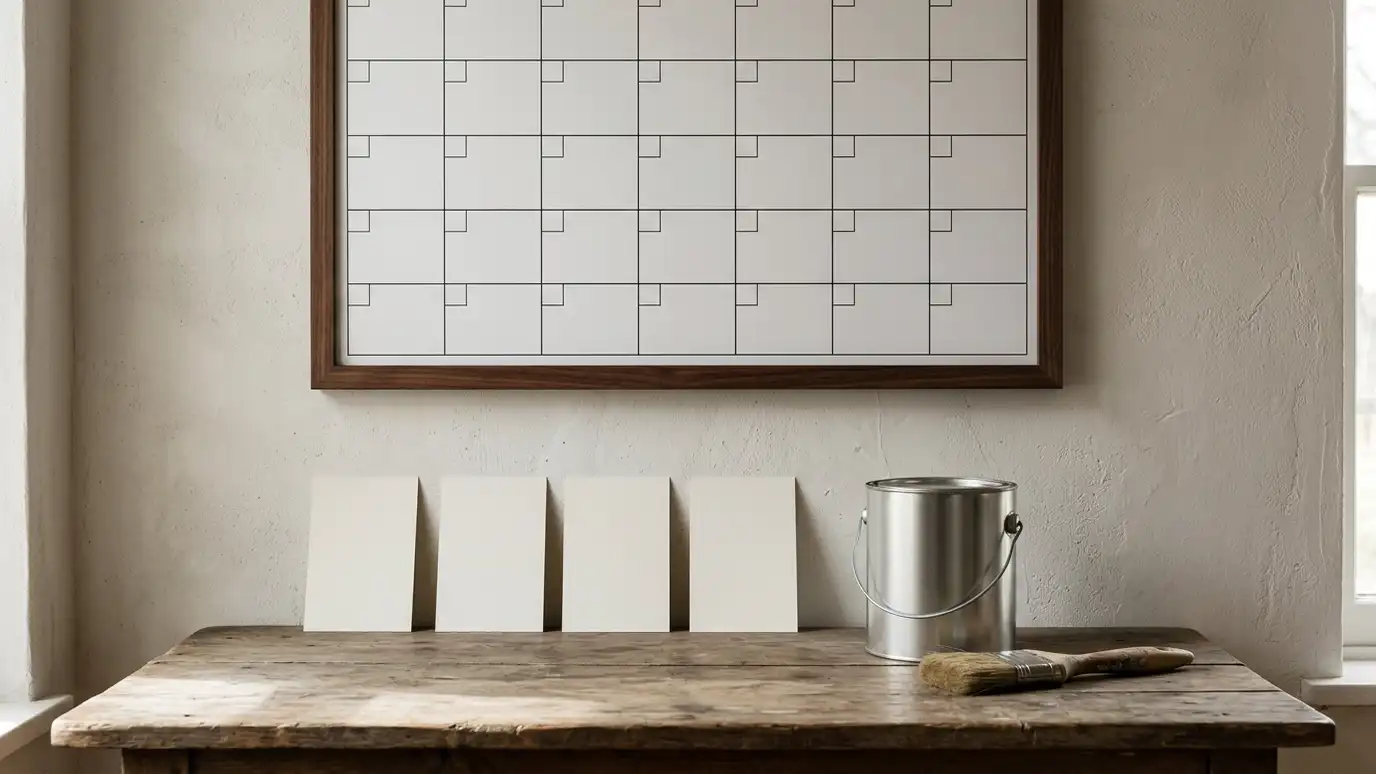
Keep a note of paint brands, colors, sheens and dates for each room. Save leftover paint labeled with the room and date.
Record repairs and touch-ups.
These records make future projects faster and more accurate.
Keep a photo of each room with the paint label or color name. It makes touch-ups and future projects much easier.
Small, regular checks protect finishes and reduce the cost of bigger projects later.