Why moisture matters
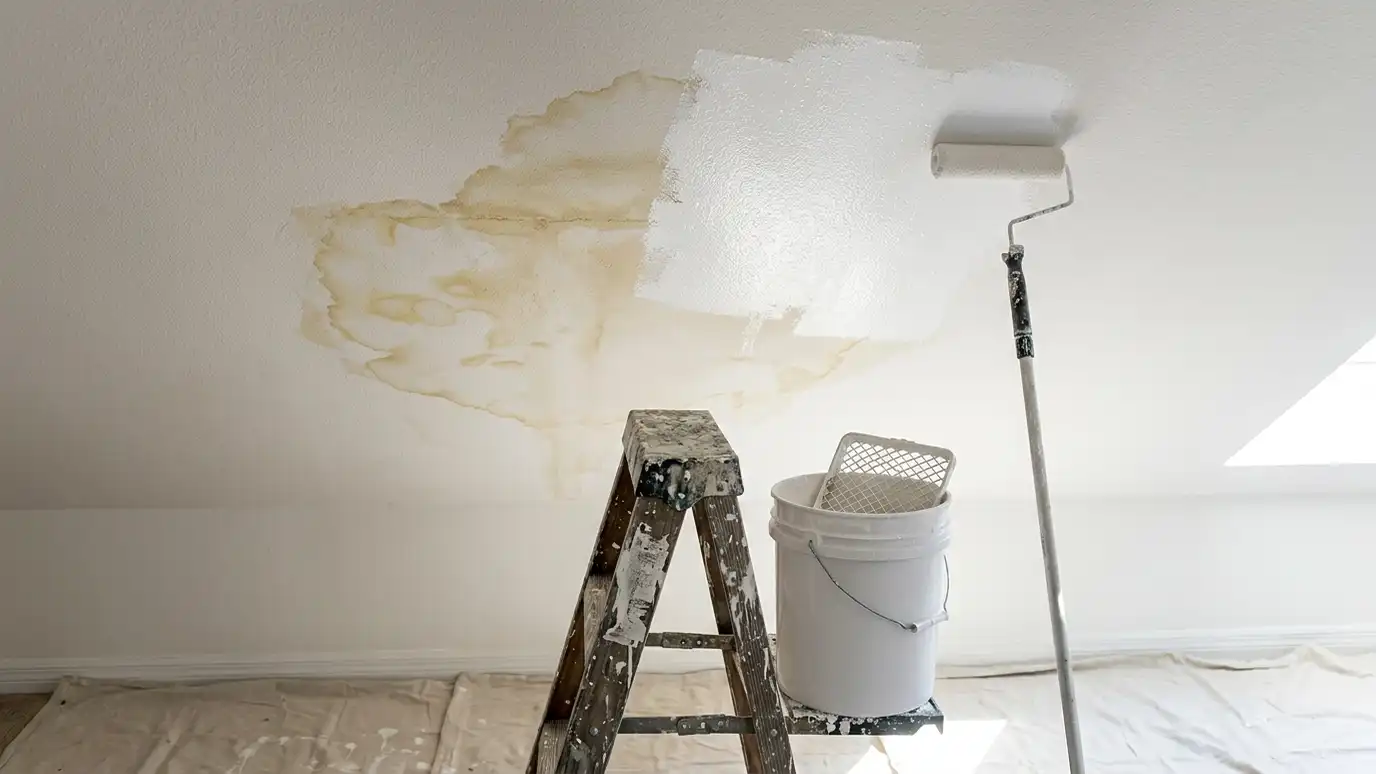
Paint is a thin film that moisture can lift, bubble and stain. Moisture can come from leaks, condensation, humidity, damp basements, poor drainage and missing ventilation.
Fixing the paint without fixing the moisture is a short-term fix. The problem comes back.
Find the source before repainting.
Keep a log of any stains, dates and weather. Patterns, such as stains appearing after heavy rain, point to the source quickly.
Signs to look for
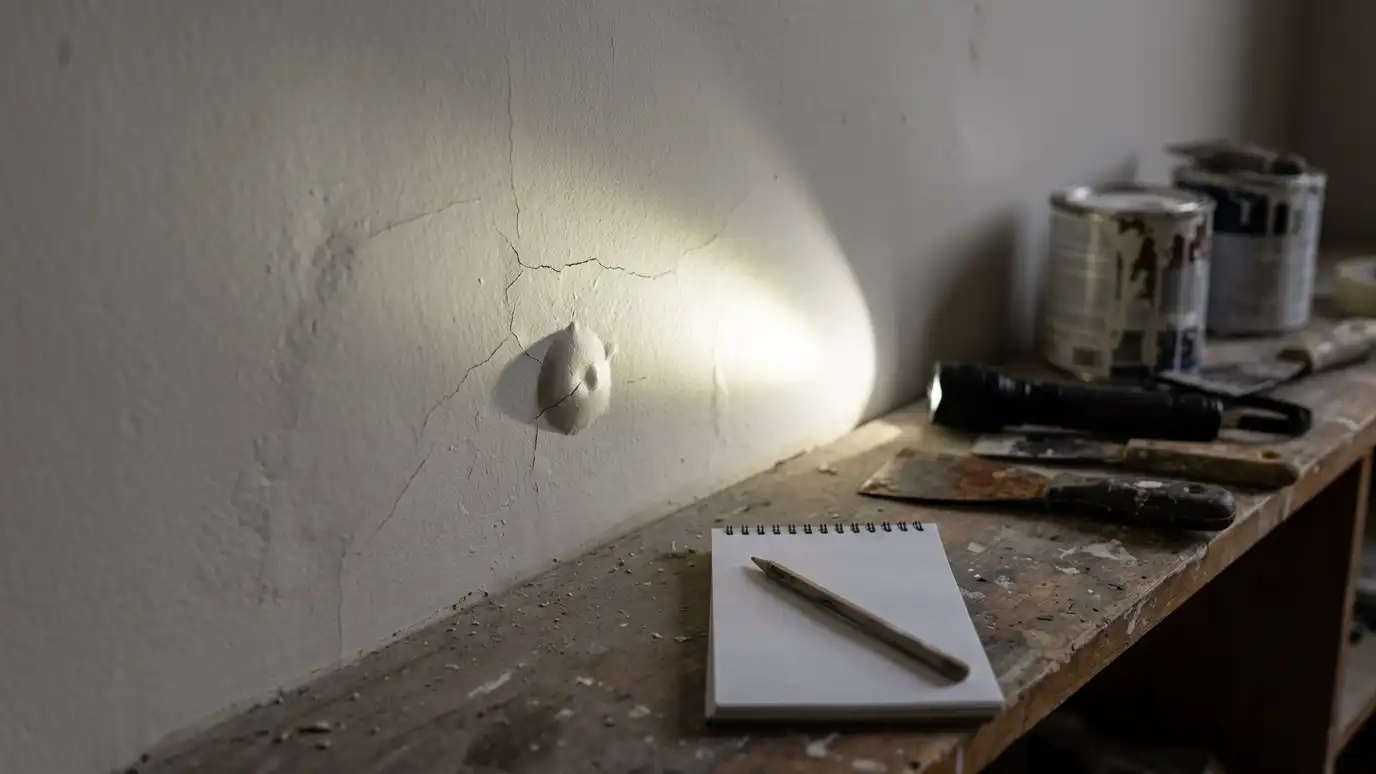
Look for peeling or bubbling paint, brown stains, musty smells, efflorescence on masonry, soft drywall and dark spots that may be mildew.
Check ceilings under bathrooms, walls near windows and baseboards at exterior corners.
Photos help track changes over time.
A moisture meter is a handy tool for checking walls and floors. It gives a number that tells you if a wall is dry enough to paint.
Bathrooms and kitchens
Steam is a major source of moisture. Exhaust fans that vent outdoors, washable paint and caulk in good repair help prevent damage.
Run fans during and after showers, and clean fan covers.
Peeling near showers often signals a ventilation problem, not a paint problem.
If paint peels in the shower area, check the fan, the caulk and the grout. Often a small fix solves the problem for years.
Basements and crawl spaces
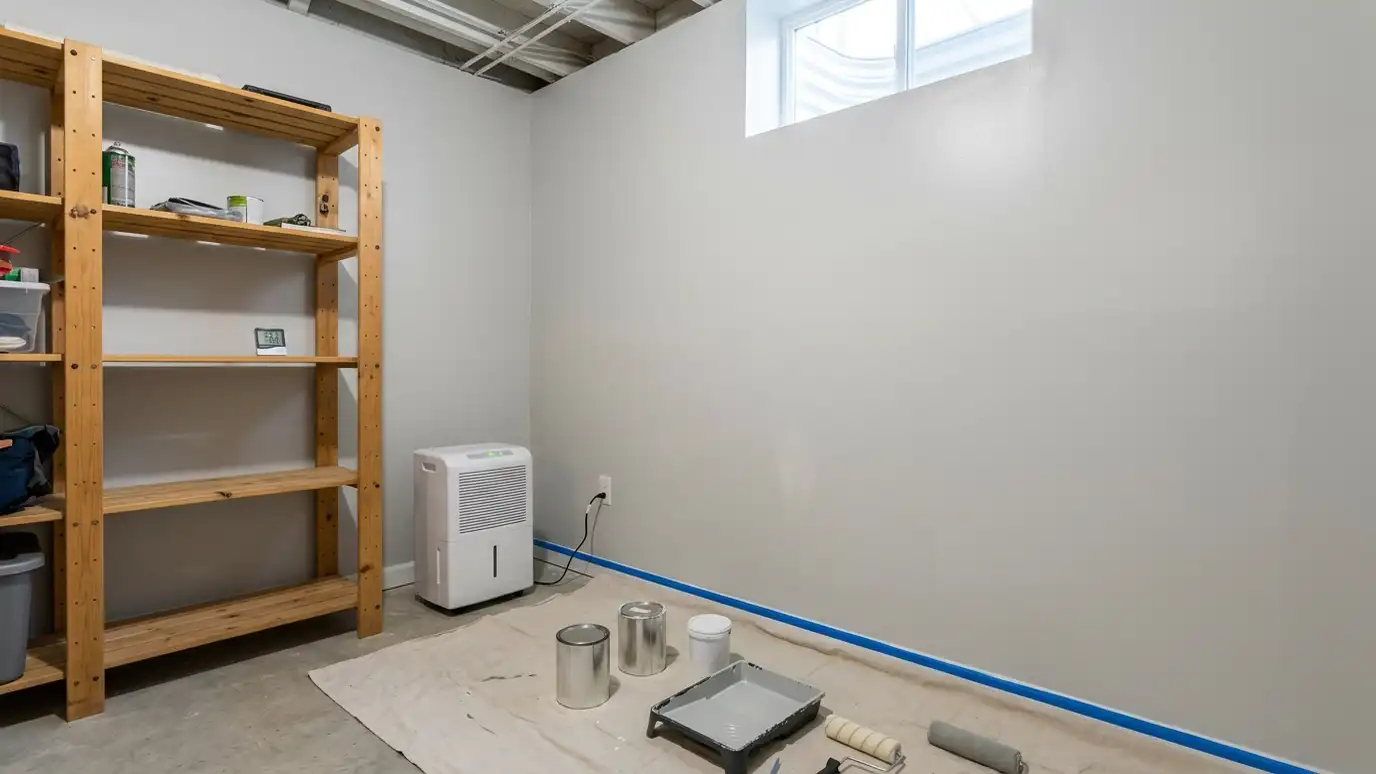
Basements and crawl spaces can hold moisture. Gutters, grading and drainage matter, and waterproofing may be needed before finishing.
Painting a damp wall traps moisture and peels. Masonry sealers have limits.
We tell you if a moisture problem needs a specialist.
Basement moisture often starts outside. Downspouts that dump water near the foundation are a common cause, and moving them can help.
Exterior moisture
Exterior peeling often comes from water getting behind paint through gaps, rotted wood or splashing from roofs and sprinklers. Caulk, flashing and gutters help keep water out.
Trim plants and adjust sprinklers away from walls.
Repair rot before painting.
Water behind siding often shows up as stains below windows or at corners. Checking caulk and flashing each year helps catch it early.
The right fix
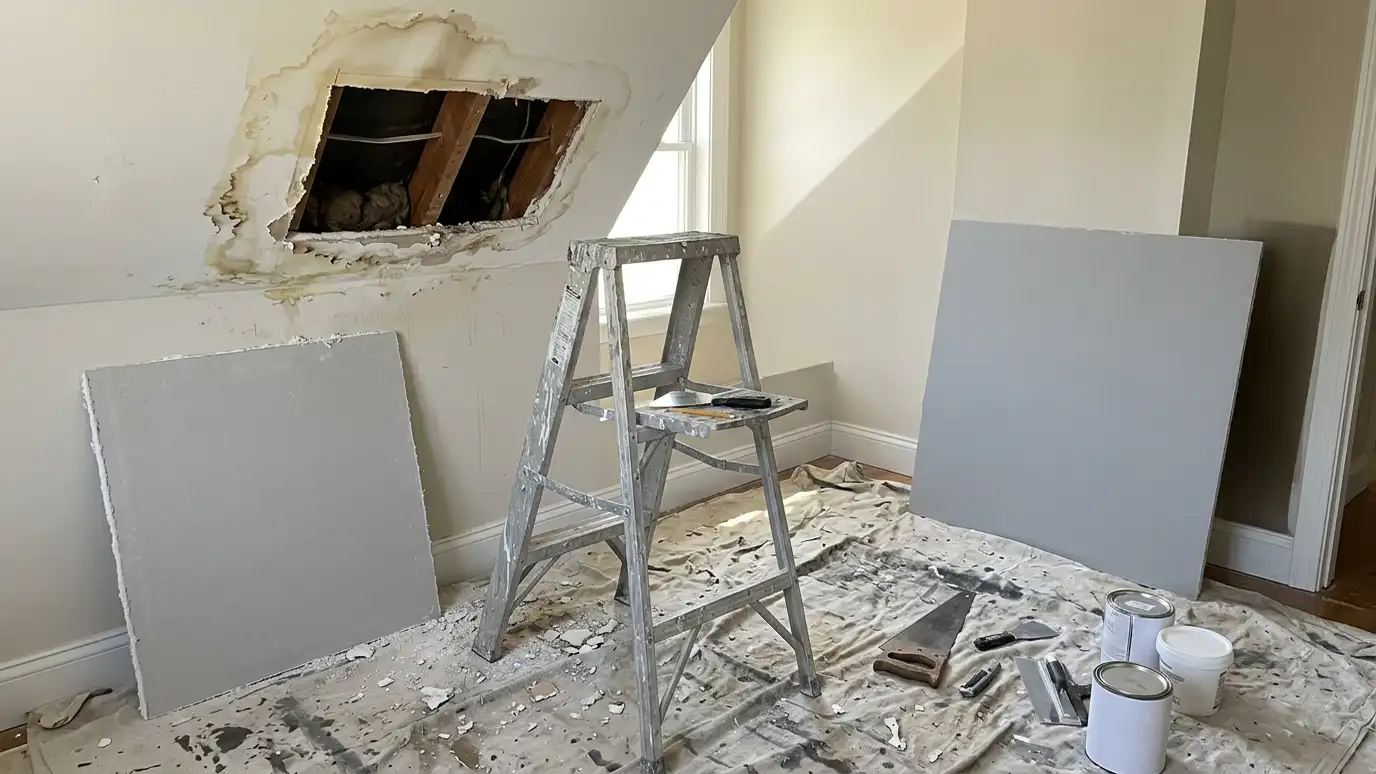
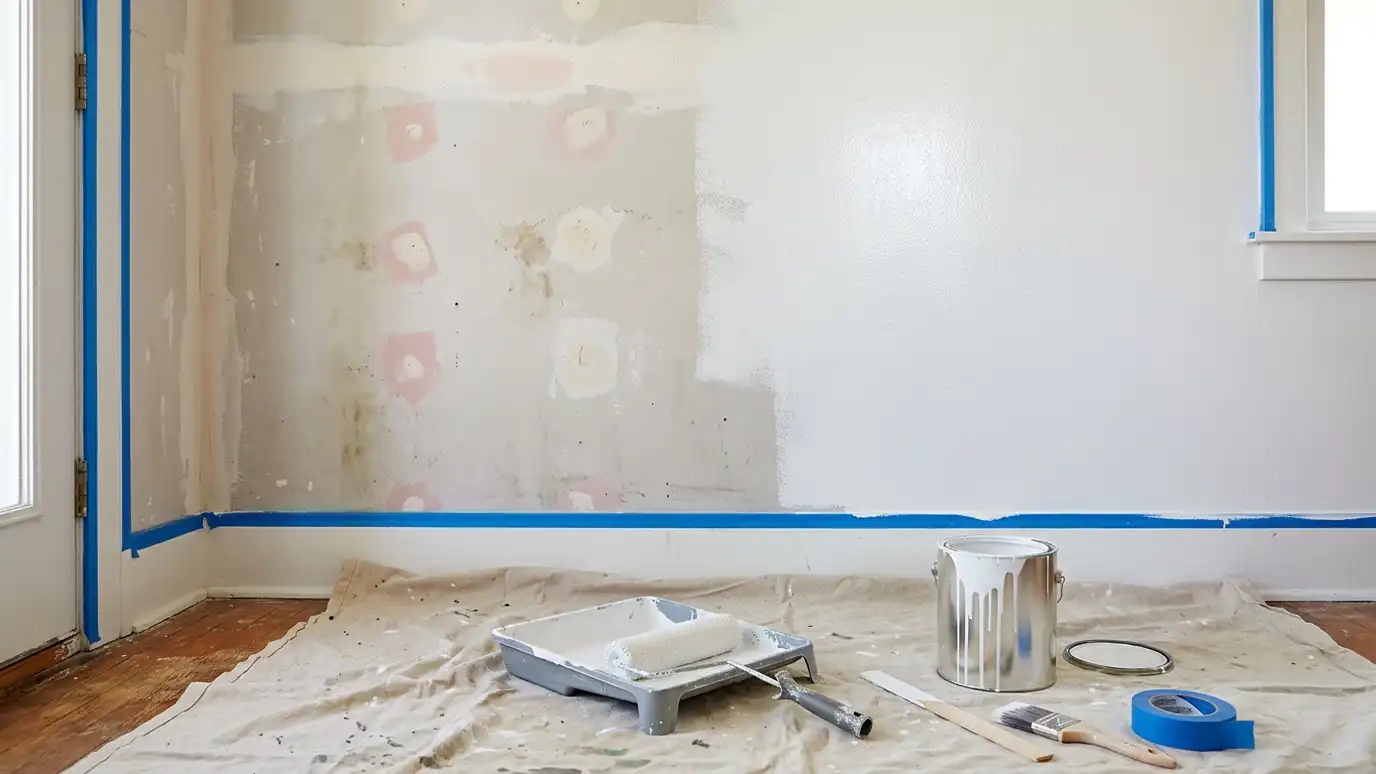
Fix the source, dry the area, remove loose paint and mildew, repair damaged material, prime with a suitable primer and repaint. Stain-blocking and mildew-resistant primers help.
If mold is present, a specialist should assess it.
Good prep lets the finish last.
Choose washable, mildew-resistant paint in damp rooms. Combined with good ventilation, it helps surfaces stay clean and sound.
Fix the water first, then prep, prime and repaint.