Standard, moisture-resistant, fire-rated, lightweight and soundproof drywall, and where quarter-inch to five-eighths-inch board belongs.
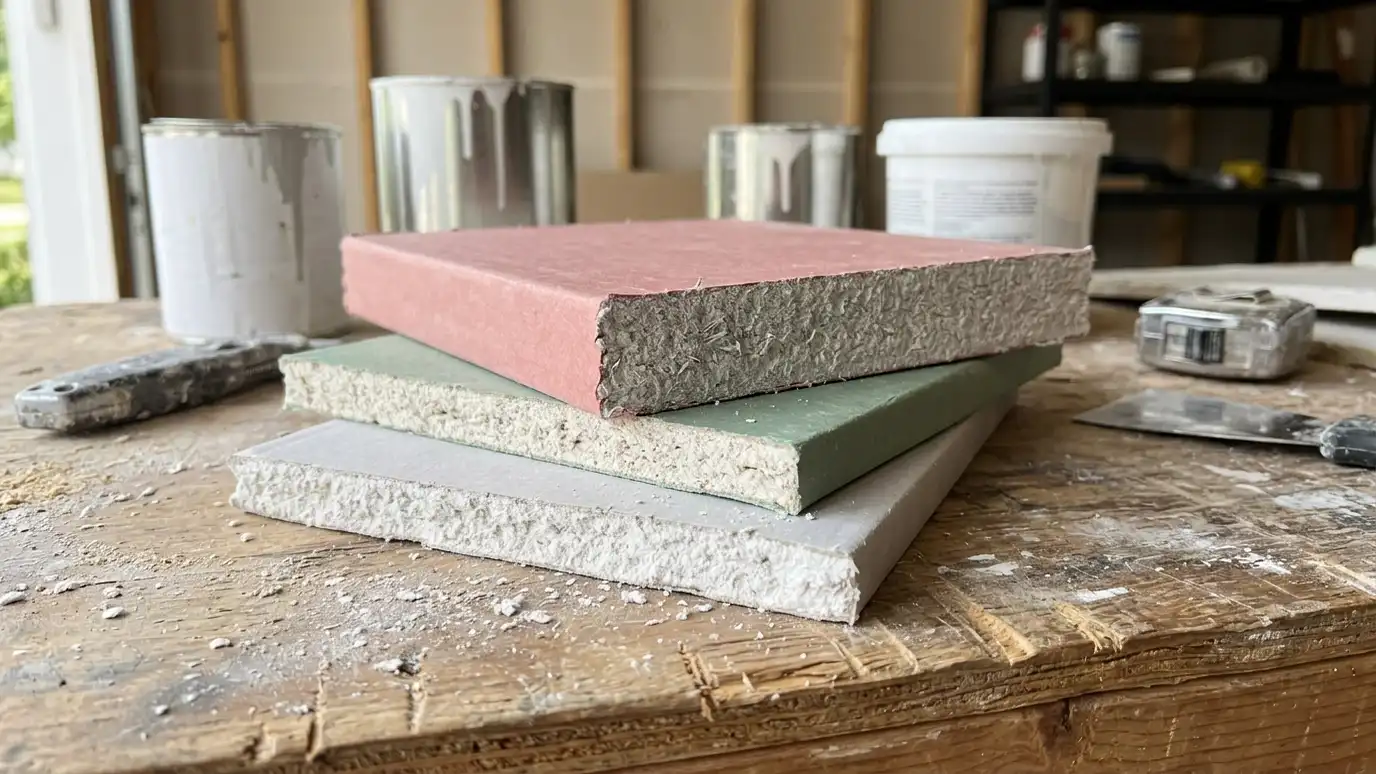
Drywall is sold in several thicknesses and types, and choosing the right one helps a wall or ceiling perform well. Half-inch board is the standard for most walls in homes. Five-eighths-inch board is heavier and stiffer, so it is common on ceilings, in fire-rated assemblies and where extra strength is wanted. Quarter-inch and three-eighths-inch board are used over existing walls and for curved surfaces, while thicker board helps cut sound and resist sagging.
Types vary too. Standard board suits most dry rooms. Moisture-resistant and mold-resistant boards are used in baths, basements and laundry rooms, though none of them is waterproof. Fire-rated board has a special core and is required in certain assemblies, such as shared walls between a garage and living space. Lightweight board is easier to carry and hang, and sound-damping board adds mass and damping for music rooms and offices. In Nashville, where homes mix older plaster with new additions, picking the right board prevents problems later.
The everyday choice for most walls.
Stiffer for ceilings and fire-rated areas.
For humid rooms, but not waterproof.
Used where code calls for a rated assembly.
Added mass and damping for quieter rooms.
Easier to handle on tall or remodel jobs.
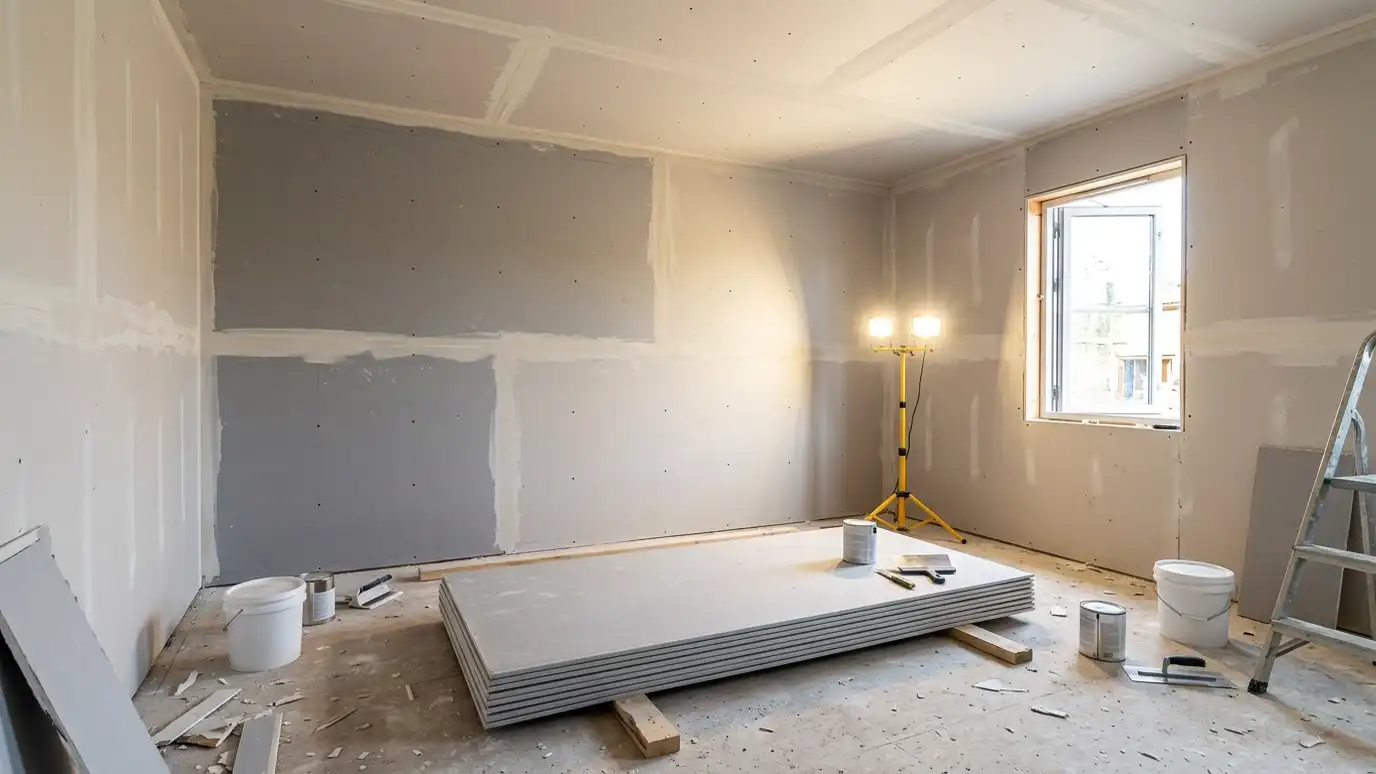 Drywall InstallationHanging, taping, mudding and sanding new drywall for additions, basements, garages and whole-house remodels.Explore
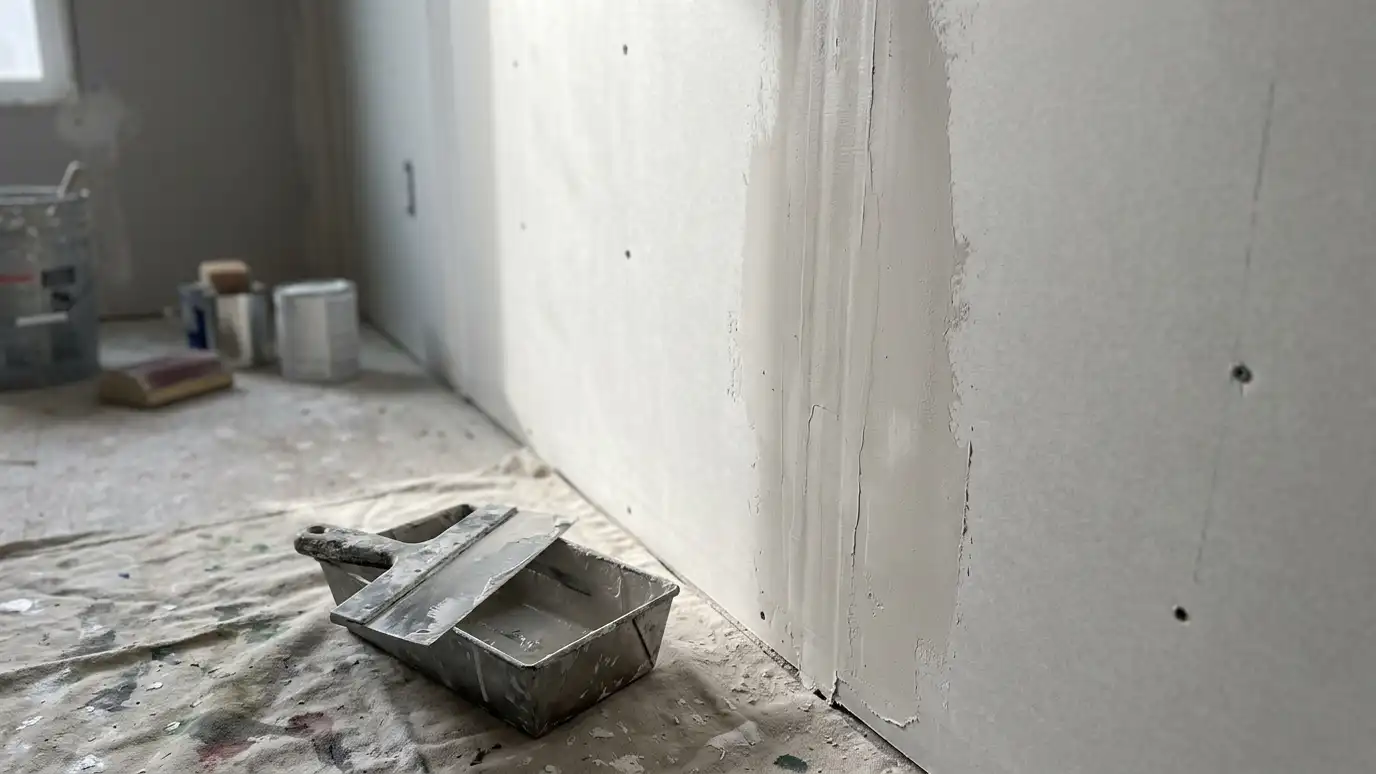 Drywall Taping and FinishingTaping, mudding and sanding to the finish level your paint needs, from standard to smooth skim-coated walls.Explore
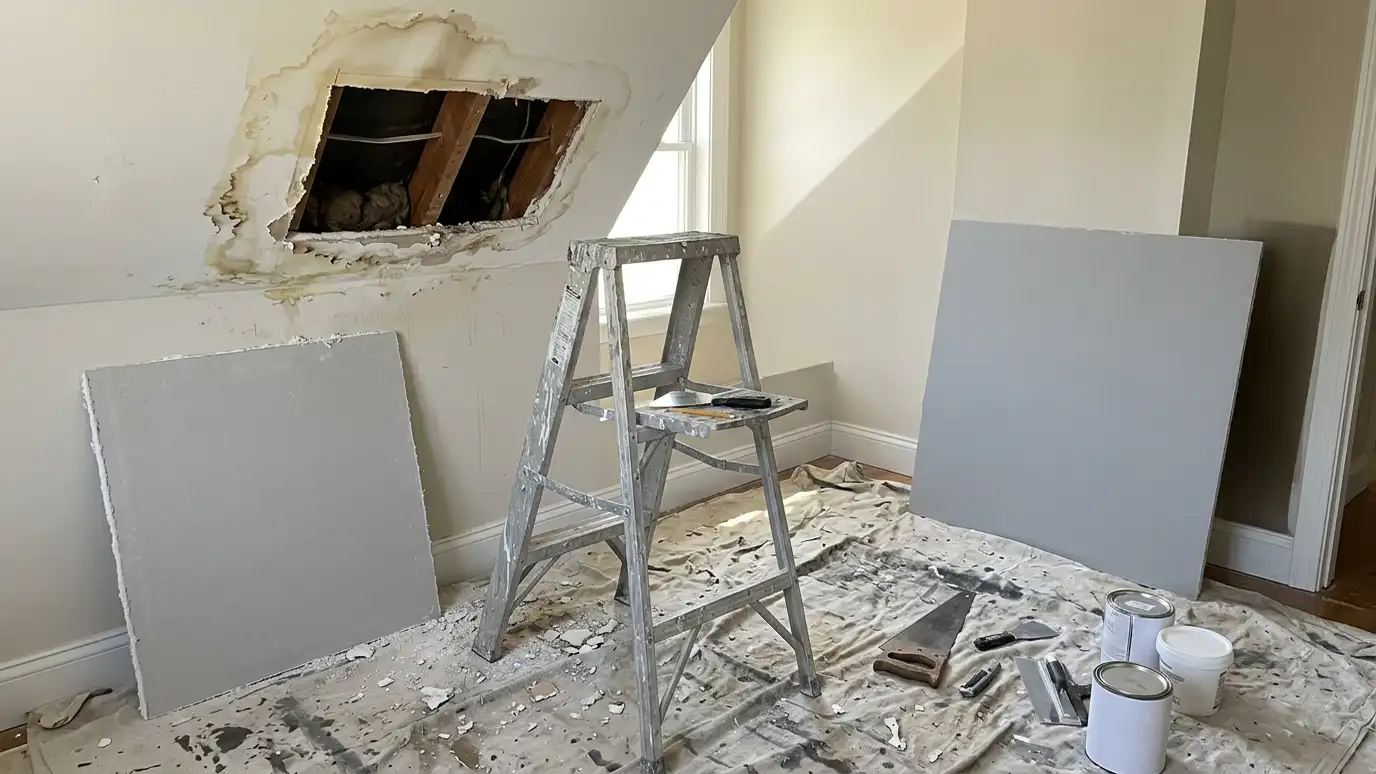 Water-Damaged Drywall RepairCutting out wet or stained drywall after leaks, replacing it and sealing stains so the repair lasts.Explore
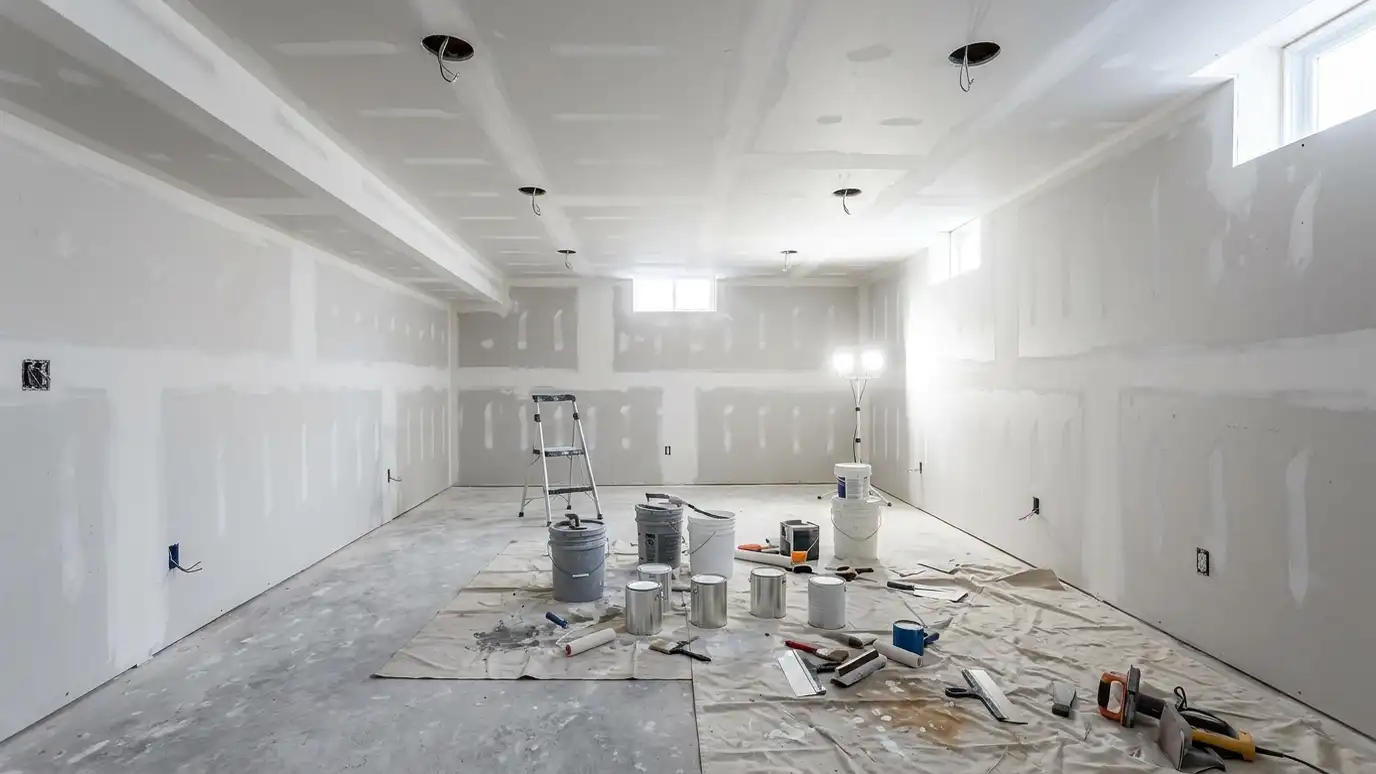 Garage and Basement DrywallHanging and finishing drywall in garages and basements with moisture awareness, fire-rated options and clean results.Explore
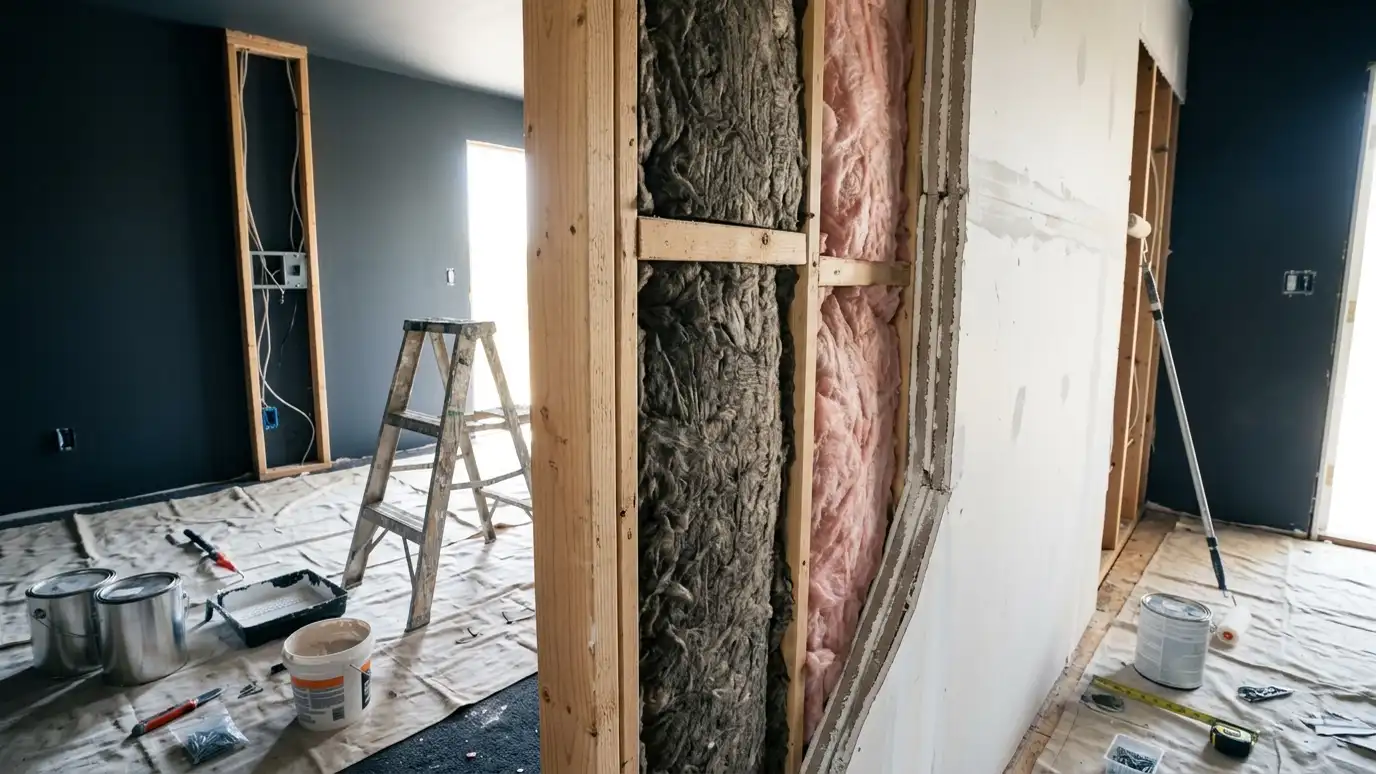 Soundproof Drywall InstallationSound-damping drywall assemblies for music rooms, home offices, bedrooms and shared walls in Music City homes.Explore
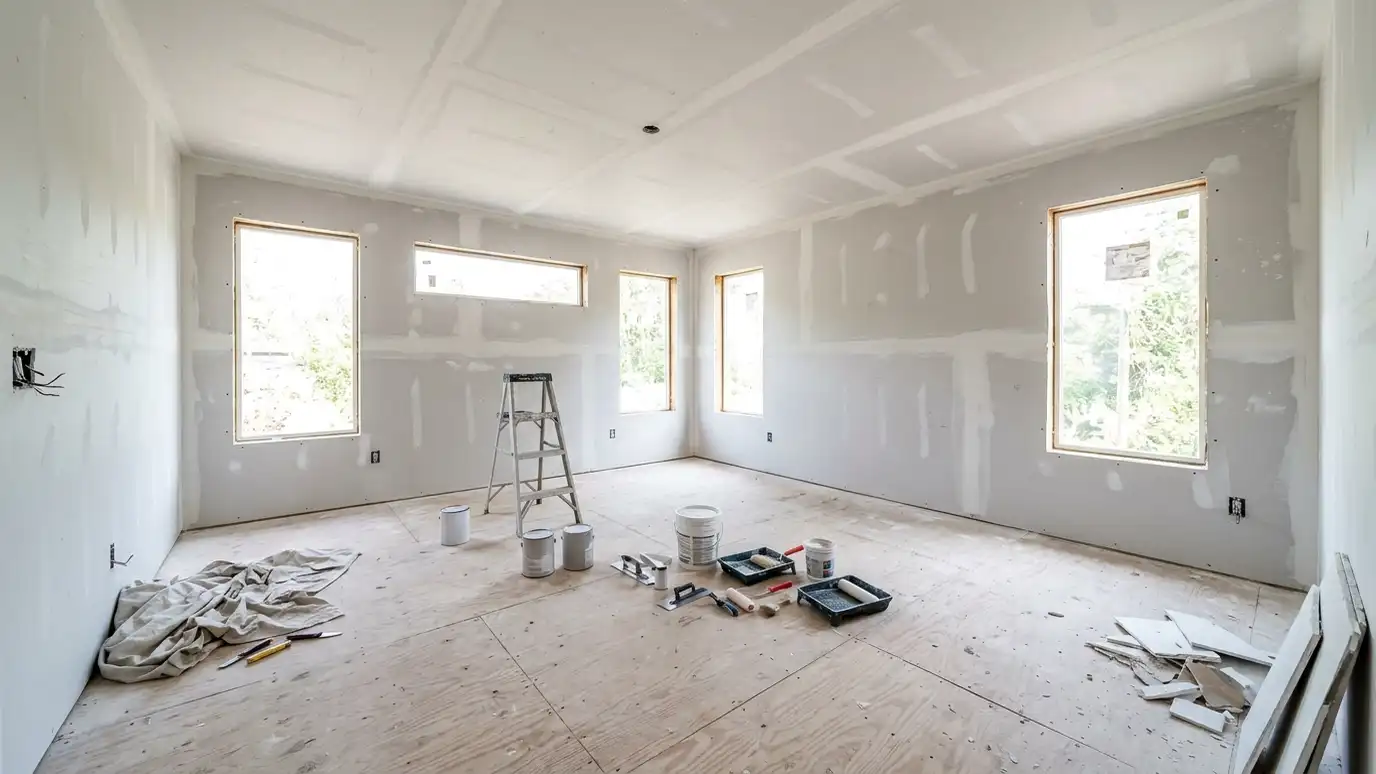 Drywall for Additions and RemodelsDrywall hanging and finishing for room additions, wall removals and whole-house remodels with matching textures.Explore
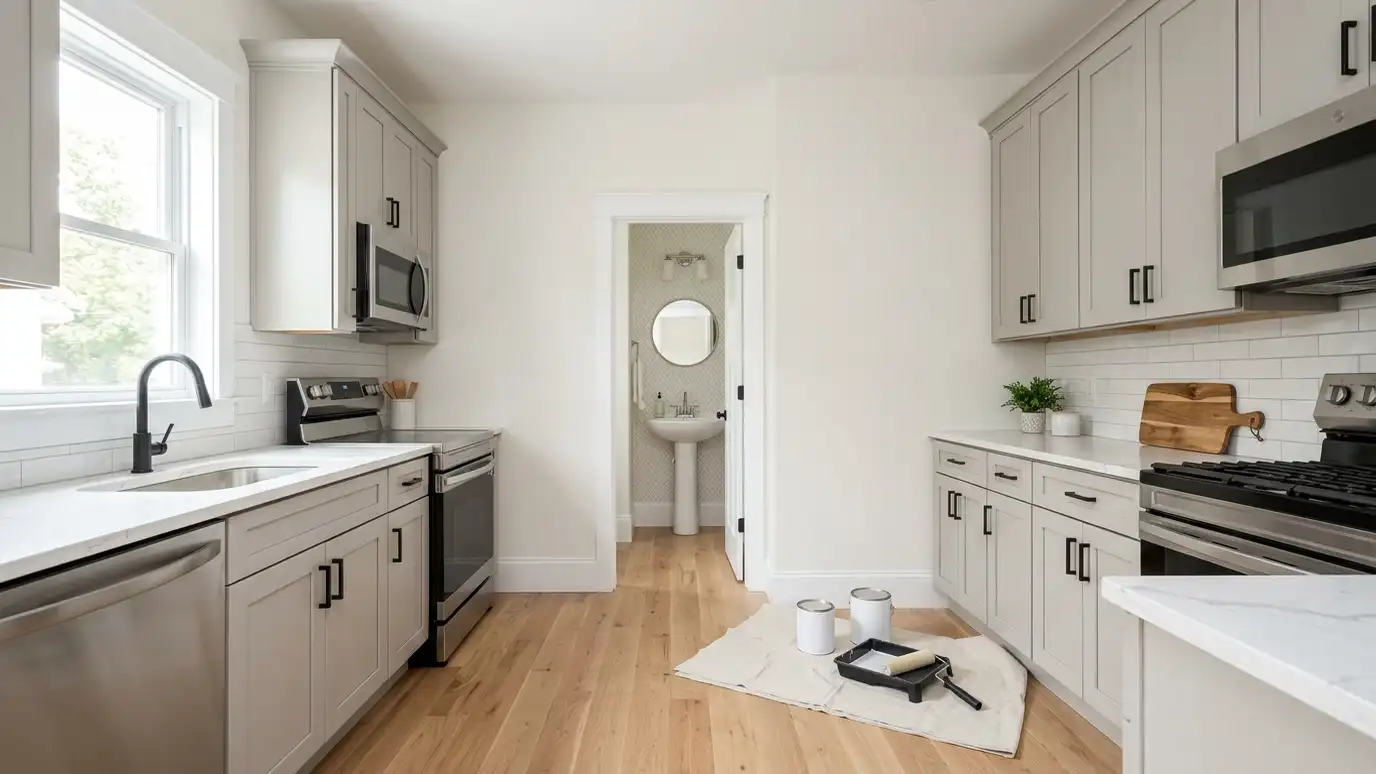 Kitchen and Bath Remodel FinishingDrywall, priming, painting and caulking for kitchen and bathroom remodels with moisture-aware products.Explore
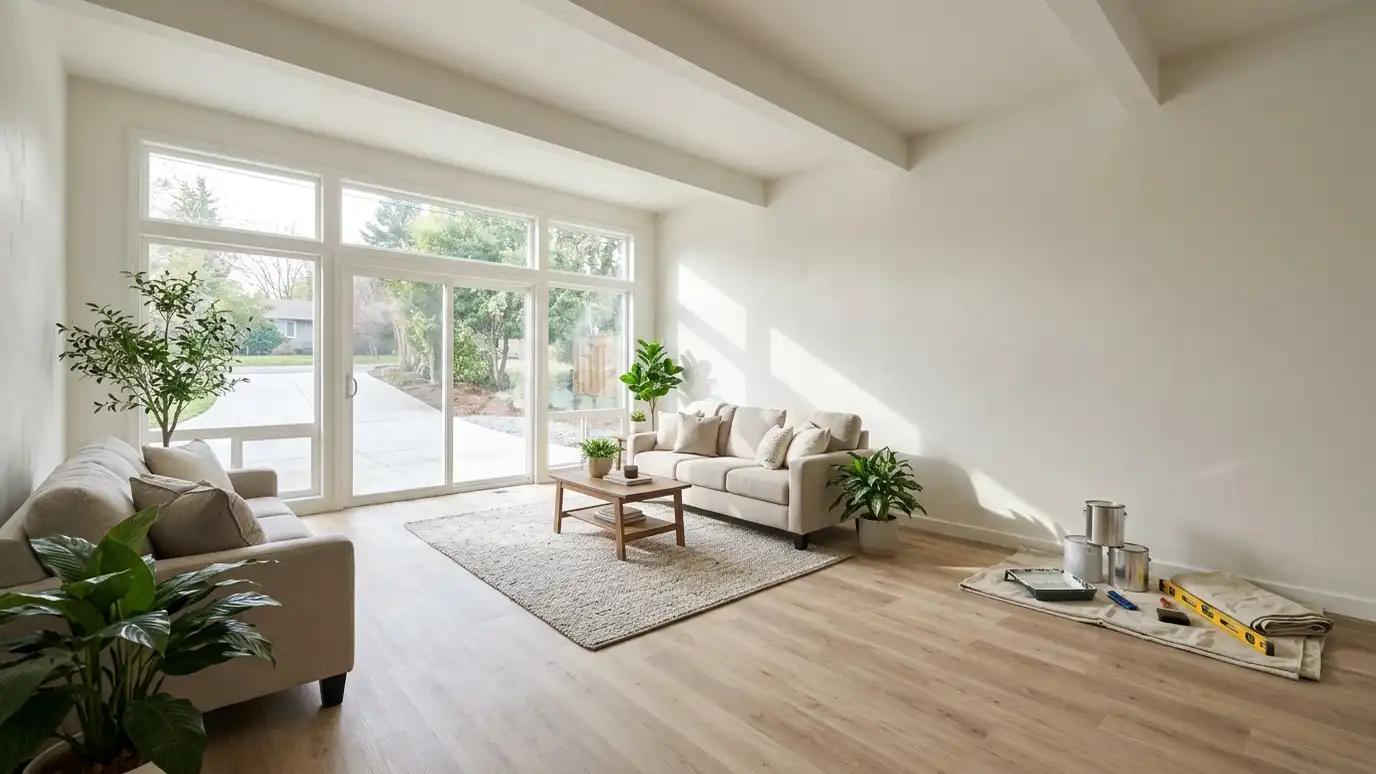 Garage Conversion FinishingDrywall, texture, paint and floor options for garages converted into bedrooms, offices, studios and living space.Explore
Check problems, pick a sheen or ballpark a budget.
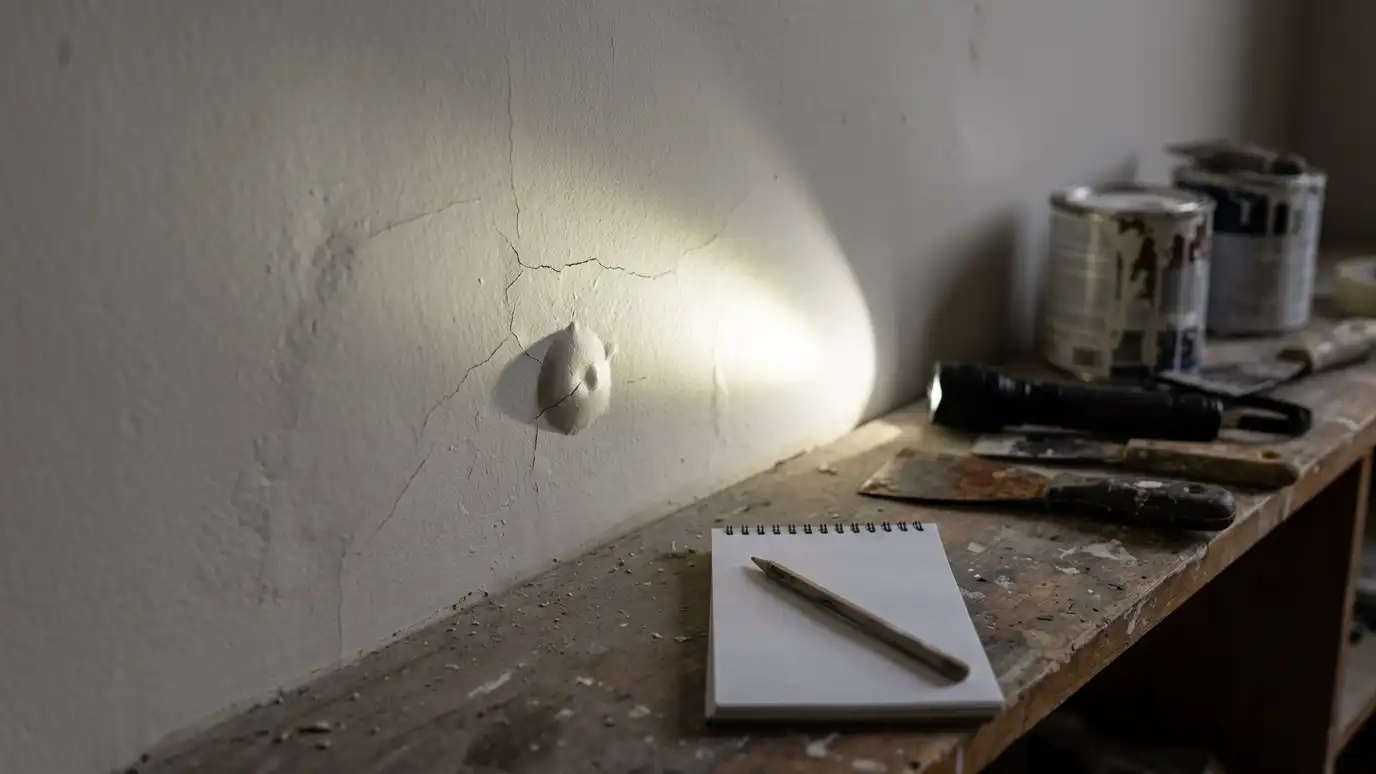 Wall and Paint Problem CheckerPick what you see on a wall, ceiling or exterior to get likely causes, what to do first and the service page that fits.Try it
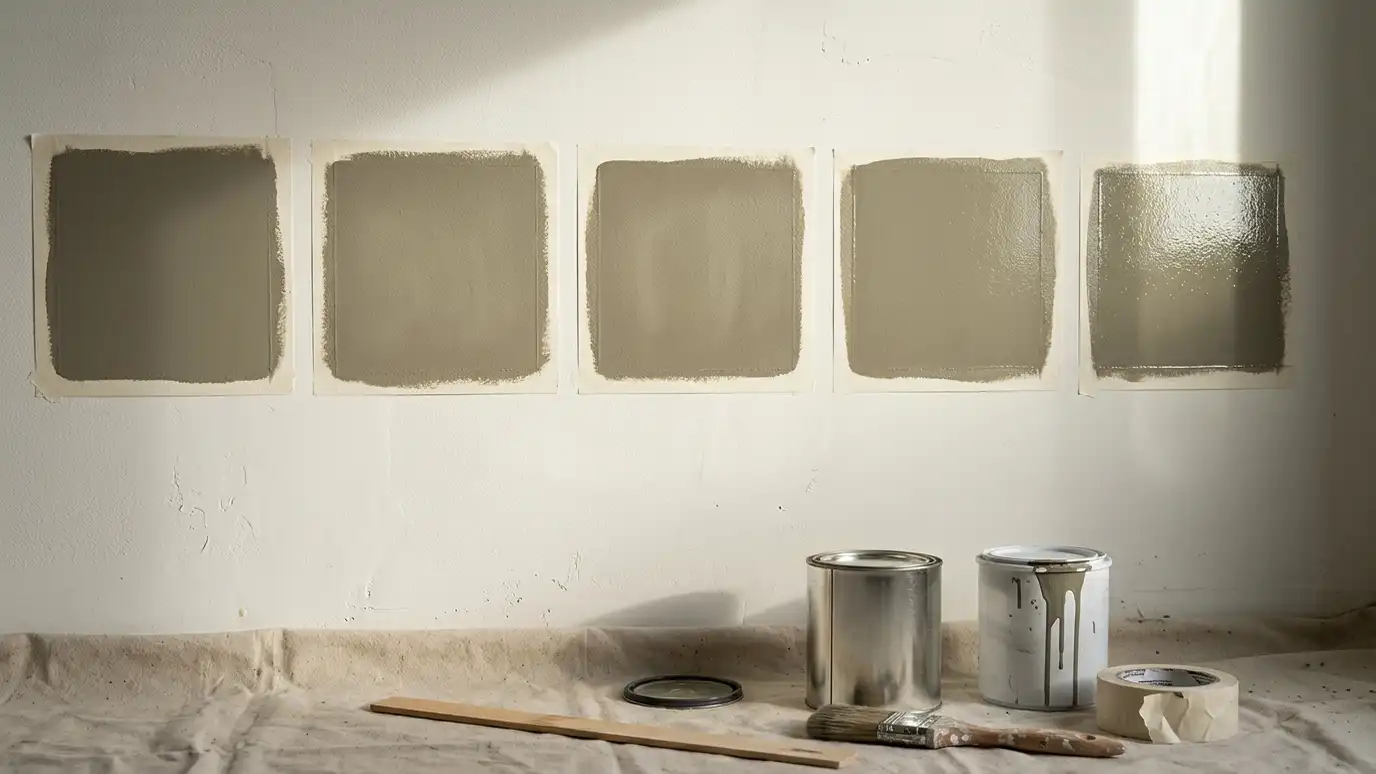 Paint Sheen and Finish PickerChoose the room or surface and see which paint sheen and finish usually fits, with reasons and care tips.Try it
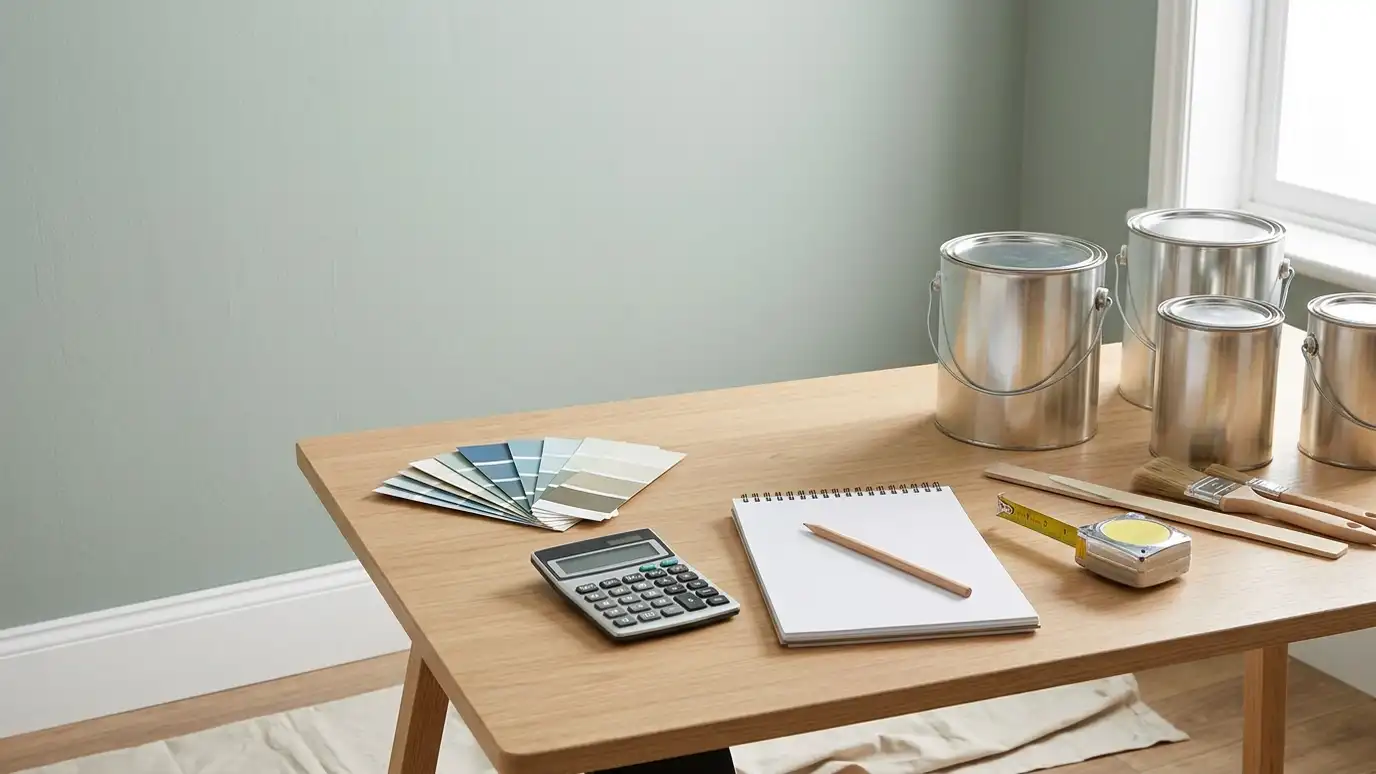 Painting and Drywall Budget PlannerPick a painting or drywall job, set the size and add extras to see a ballpark planning range for your project.Try it
Thicker board is stiffer and resists sagging and sound, but it is heavier and not needed everywhere.
No. It resists moisture better than standard board, but leaks must still be fixed.
Attached garages often need fire-rated board on shared walls and ceilings. Local requirements apply.
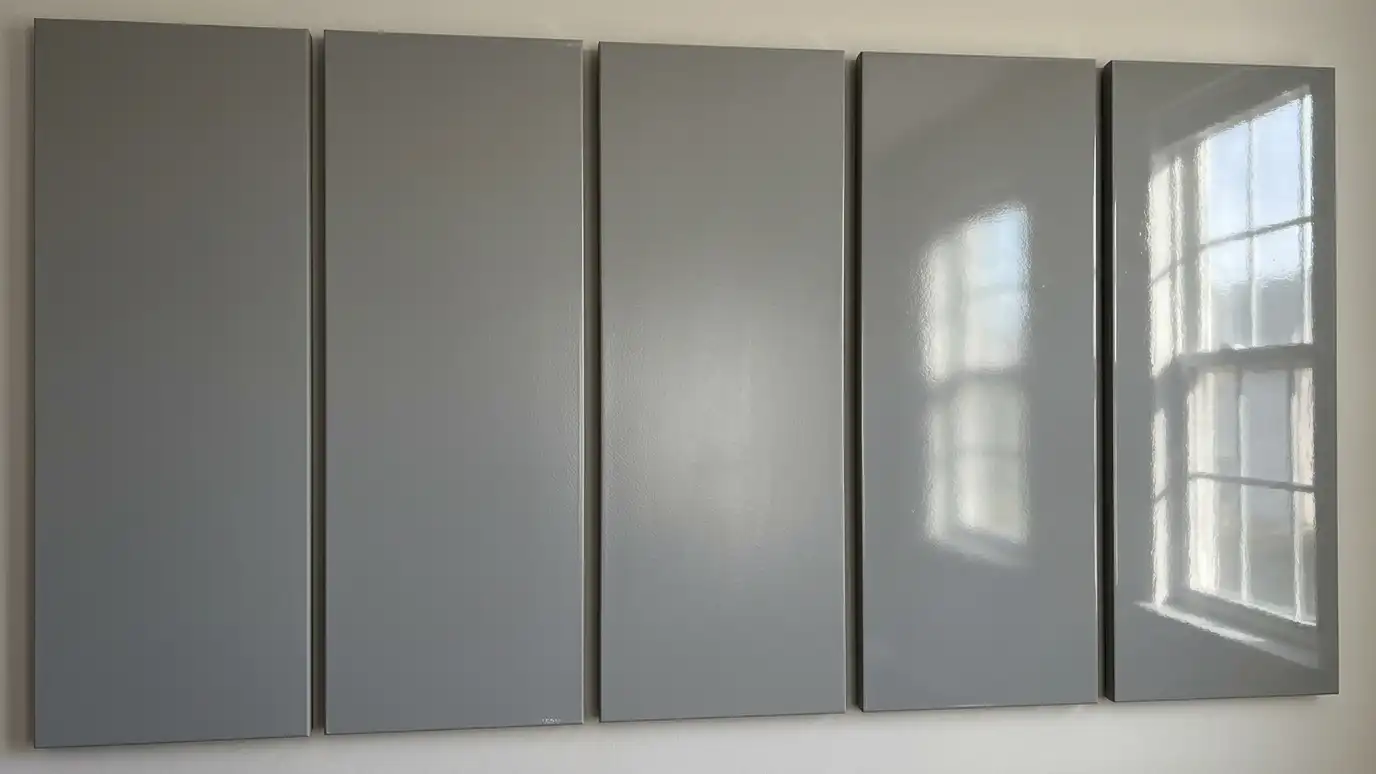 Topic guidePaint Types and SheensWater-based and oil-based paint, primers and the five common sheens, from flat to gloss, and where each belongs…Learn more
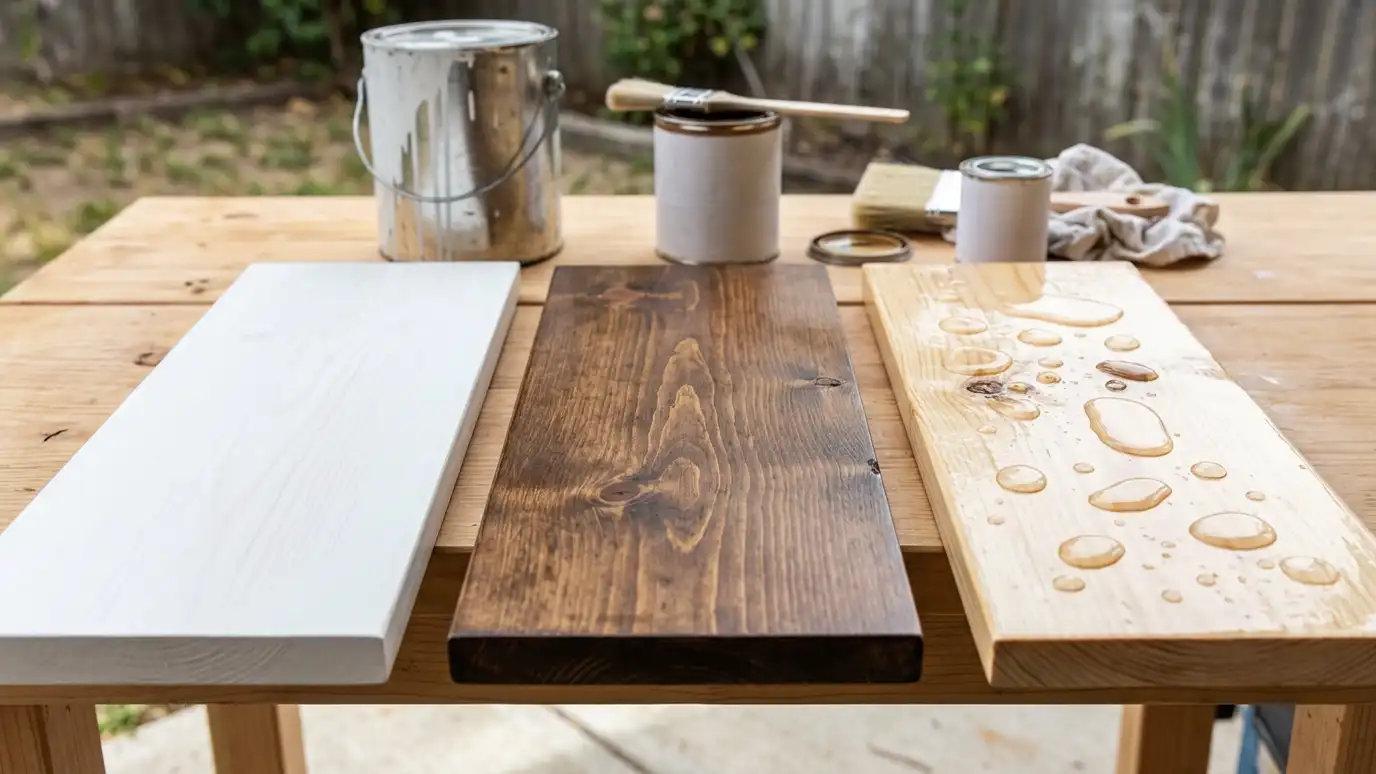 Topic guidePaint, Stain and SealerHow paint, transparent and solid stains and clear sealers differ for decks, fences, siding and interior wood.Learn more
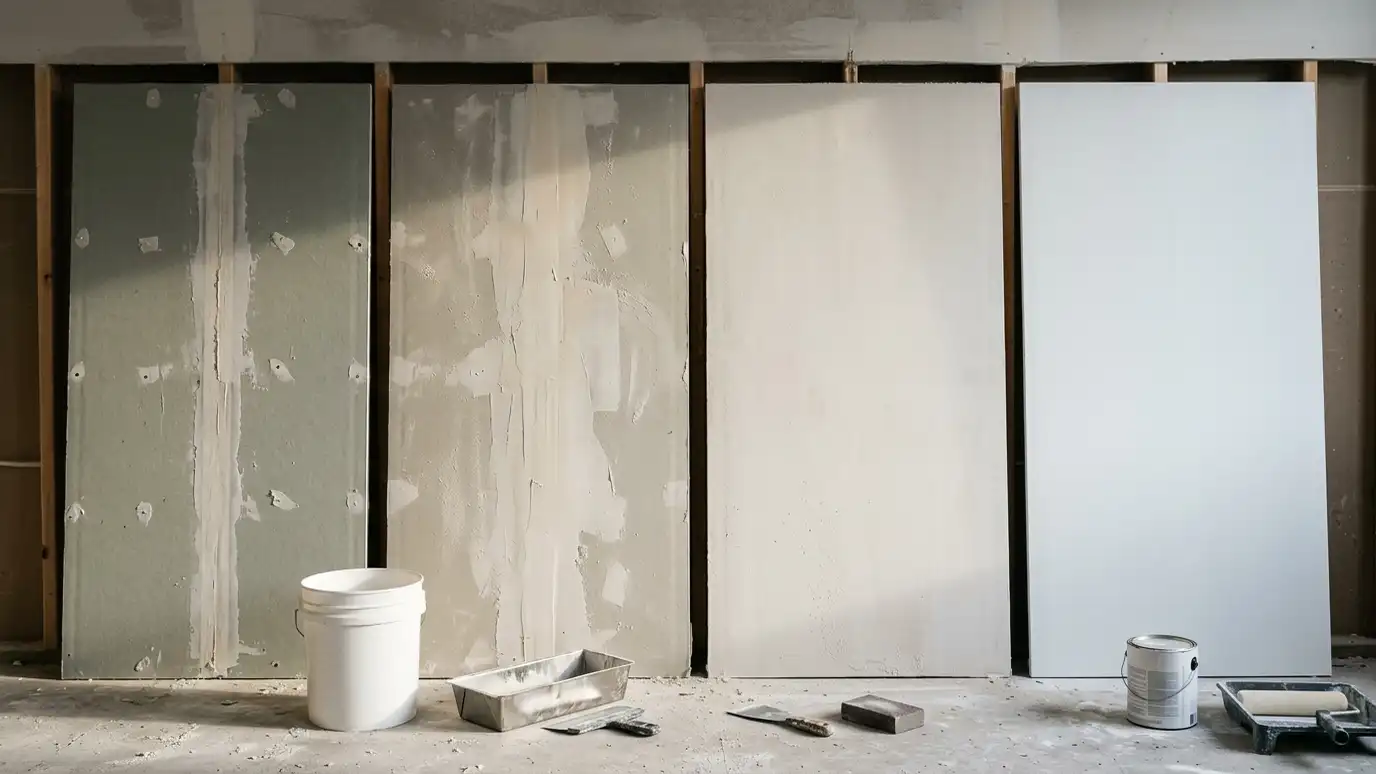 Topic guideDrywall Finish LevelsWhat finish levels zero through five mean, which to choose for your paint and lighting and why smoother…Learn more
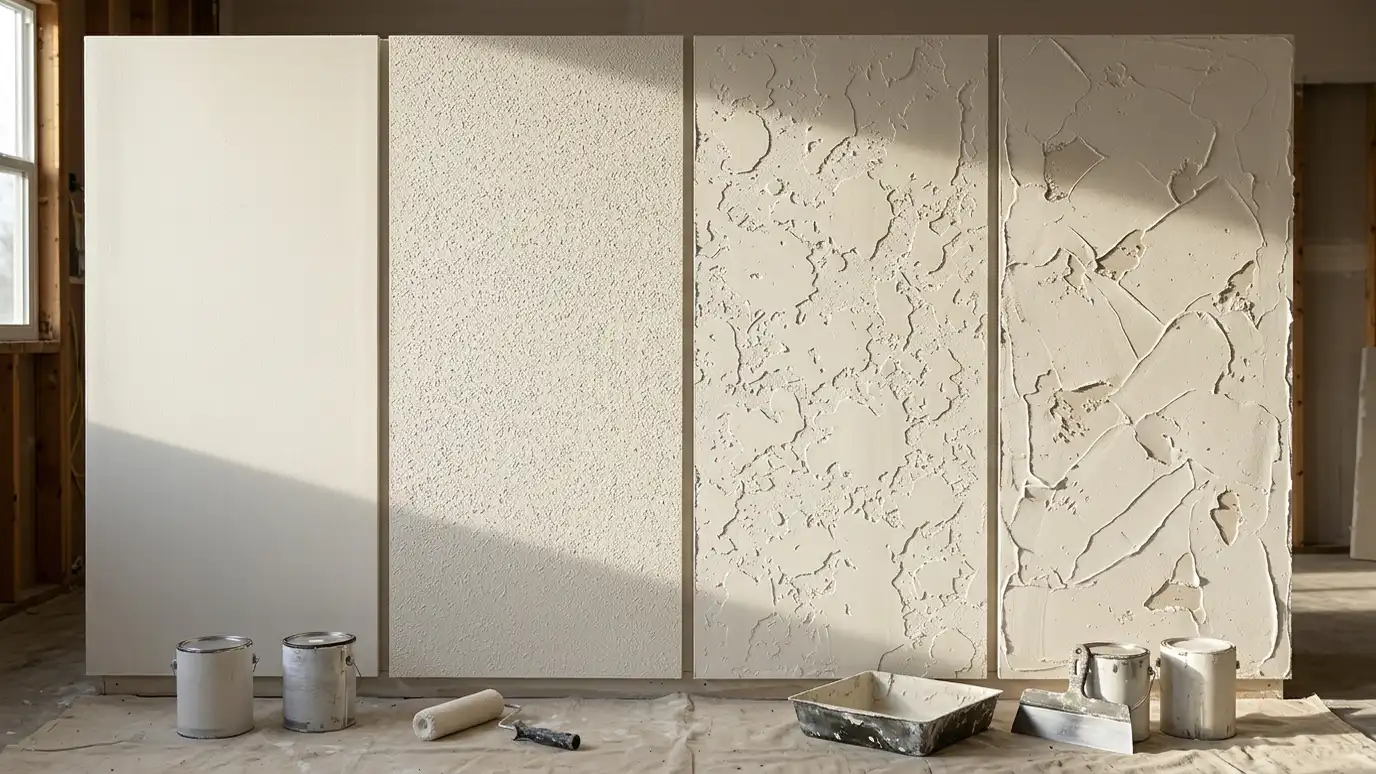 Topic guideDrywall Texture TypesSmooth, orange peel, knockdown, skip trowel, slap brush and popcorn textures compared for look, upkeep and repair.Learn more
Call us and describe your project. We will walk the space, explain the prep and give you a clear written estimate.