What finish levels zero through five mean, which to choose for your paint and lighting and why smoother is not always necessary.
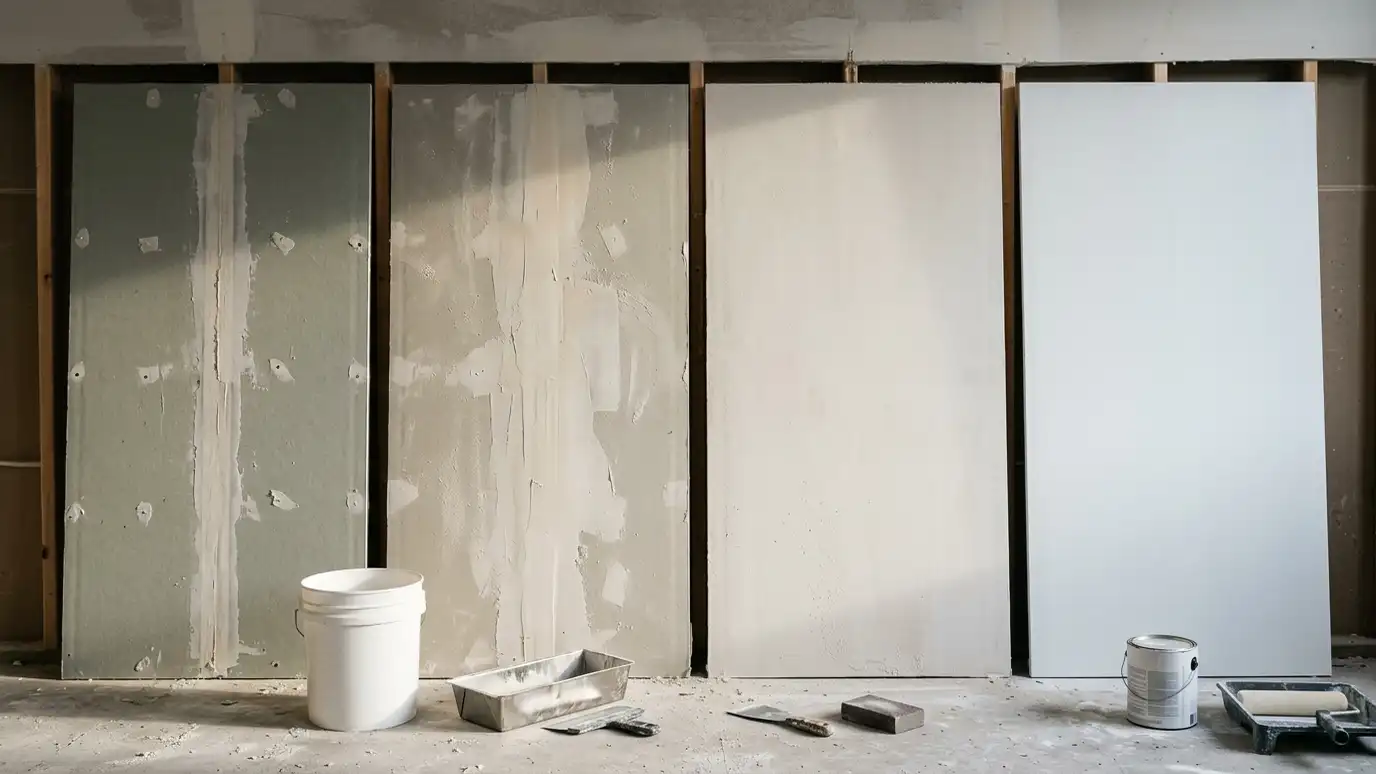
Drywall finish levels run from zero to five and describe how much taping, compound and sanding a surface has received. Level zero is bare board. Level one has tape embedded in joints and is used in hidden areas. Level two adds a coat of compound over joints and fasteners and suits places like garages. Level three adds another coat and is used under heavy textures. Level four is the common standard for walls that will be painted with flat or low-sheen paint. Level five adds a thin skim coat across the whole surface for the smoothest result.
Choosing a level means matching the finish to the paint and the light. Glossy paint and strong side light, such as long windows or wall washers, reveal tiny flaws, so level five is often wise. Flat paint on ordinary walls looks good at level four. Textured walls often start at level three. An unnecessary level adds time and cost, and too low a level shows joints through paint. In Nashville remodels, we talk through each room so you get a smooth result without paying for more than you need.
Bare board, taped joints and a first coat for hidden areas.
A base for heavy texture and some wall coverings.
The usual choice for flat and low-sheen paint.
A full skim coat for glossy paint and strong light.
Side light reveals flaws that daylight hides.
Higher sheen needs a smoother surface.
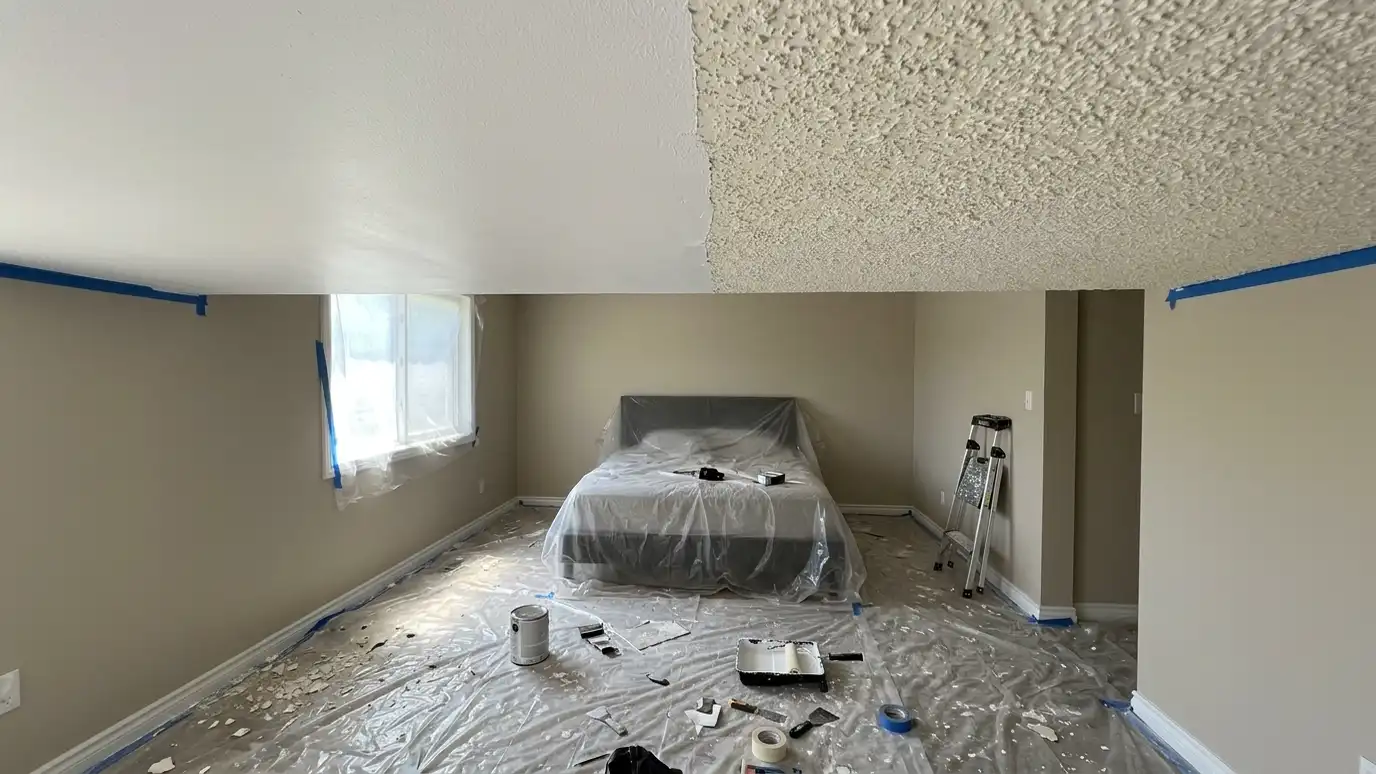 Popcorn Ceiling RemovalCareful popcorn texture removal with full protection, skim coating and smooth, freshly painted ceilings.Explore
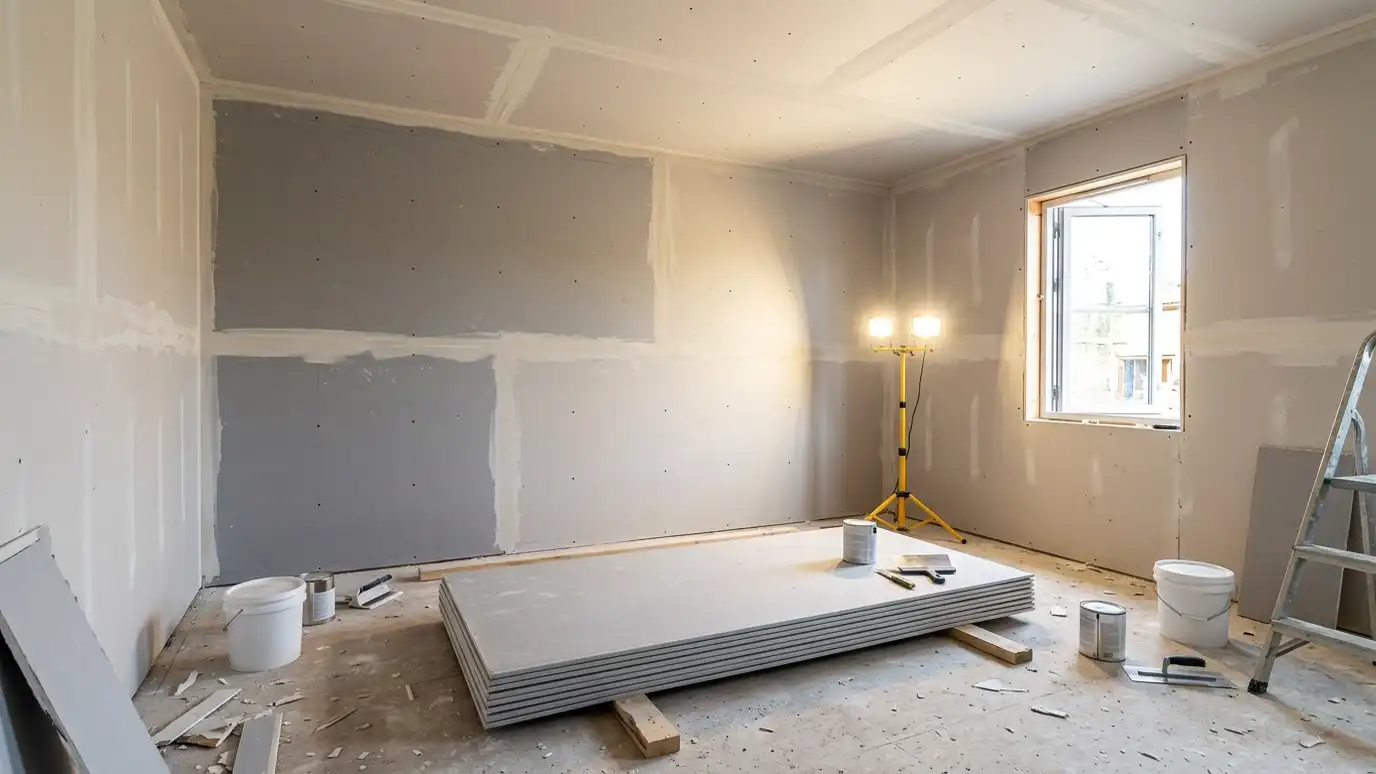 Drywall InstallationHanging, taping, mudding and sanding new drywall for additions, basements, garages and whole-house remodels.Explore
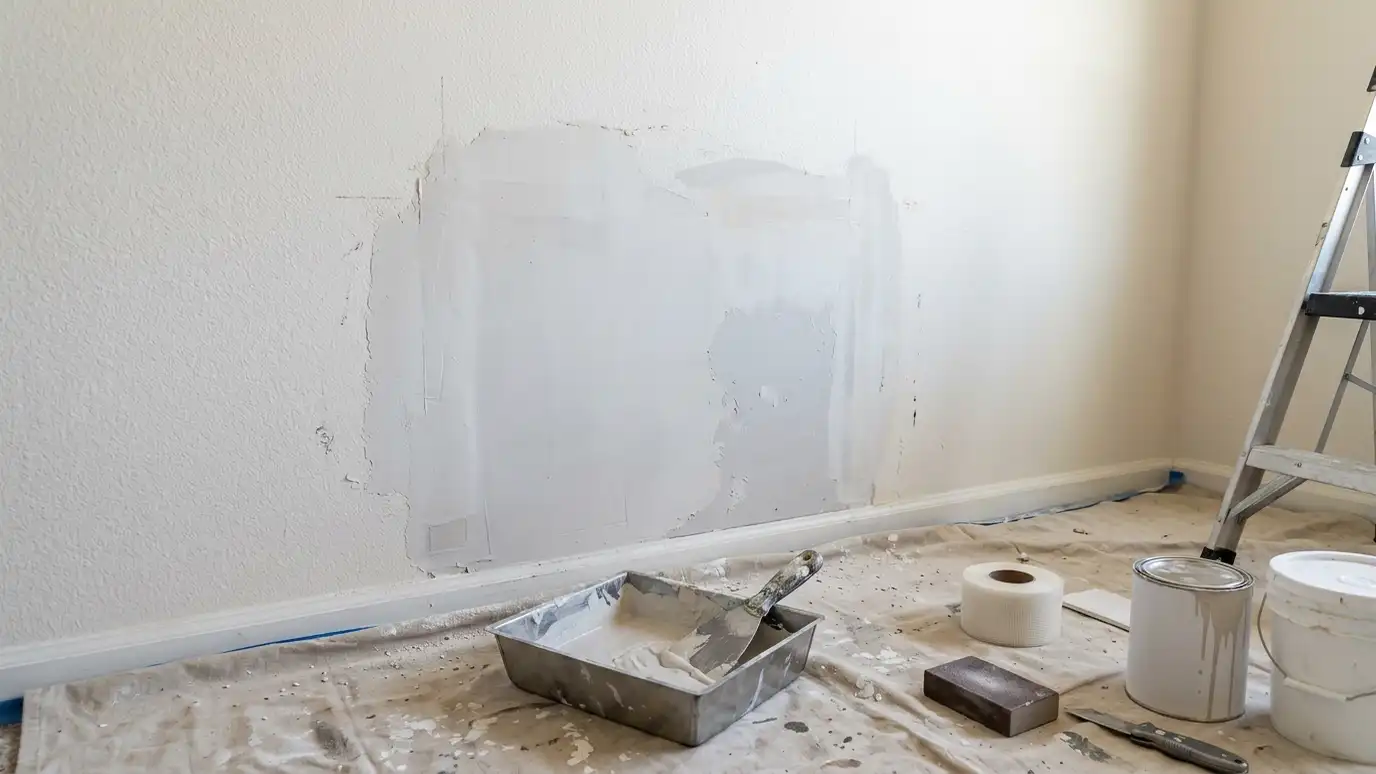 Drywall RepairPatching holes, cracks, dents, nail pops and damaged corners so repaired walls disappear under paint.Explore
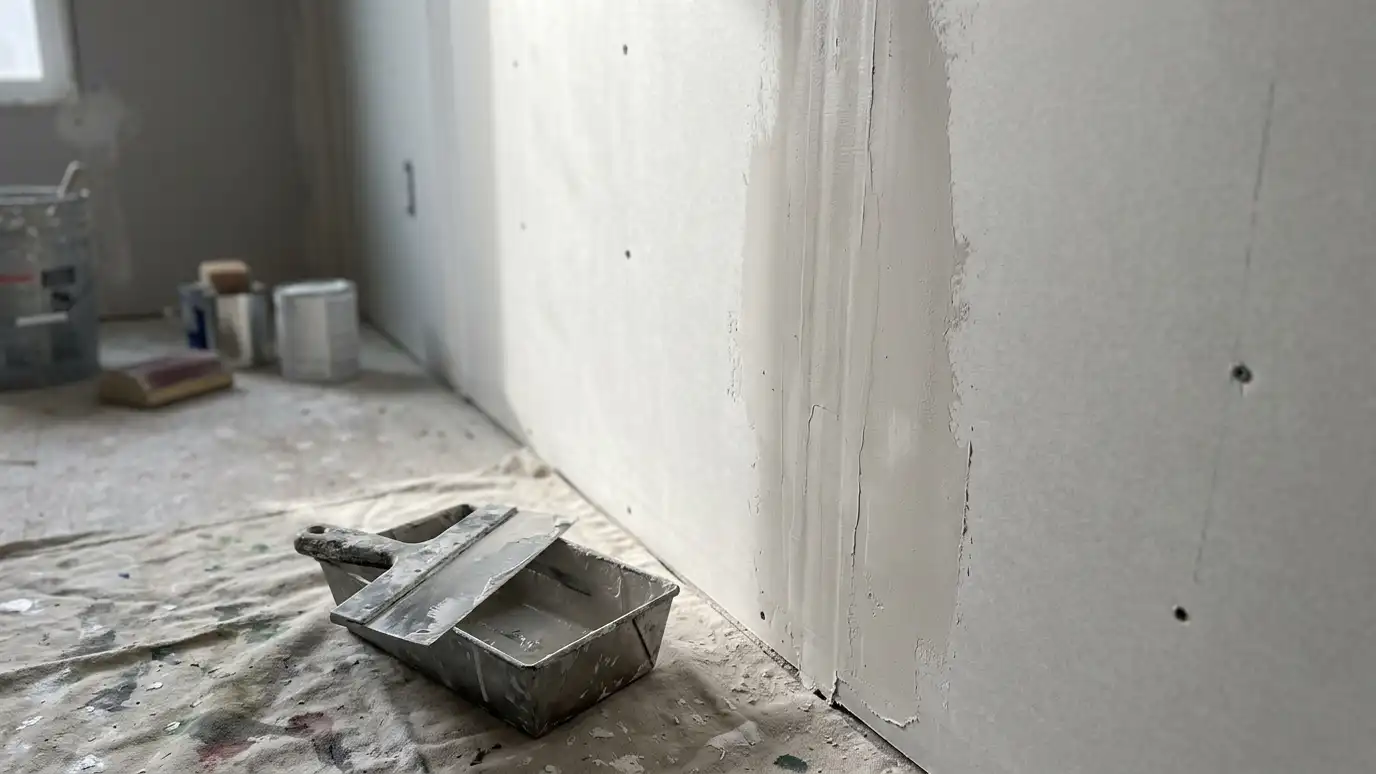 Drywall Taping and FinishingTaping, mudding and sanding to the finish level your paint needs, from standard to smooth skim-coated walls.Explore
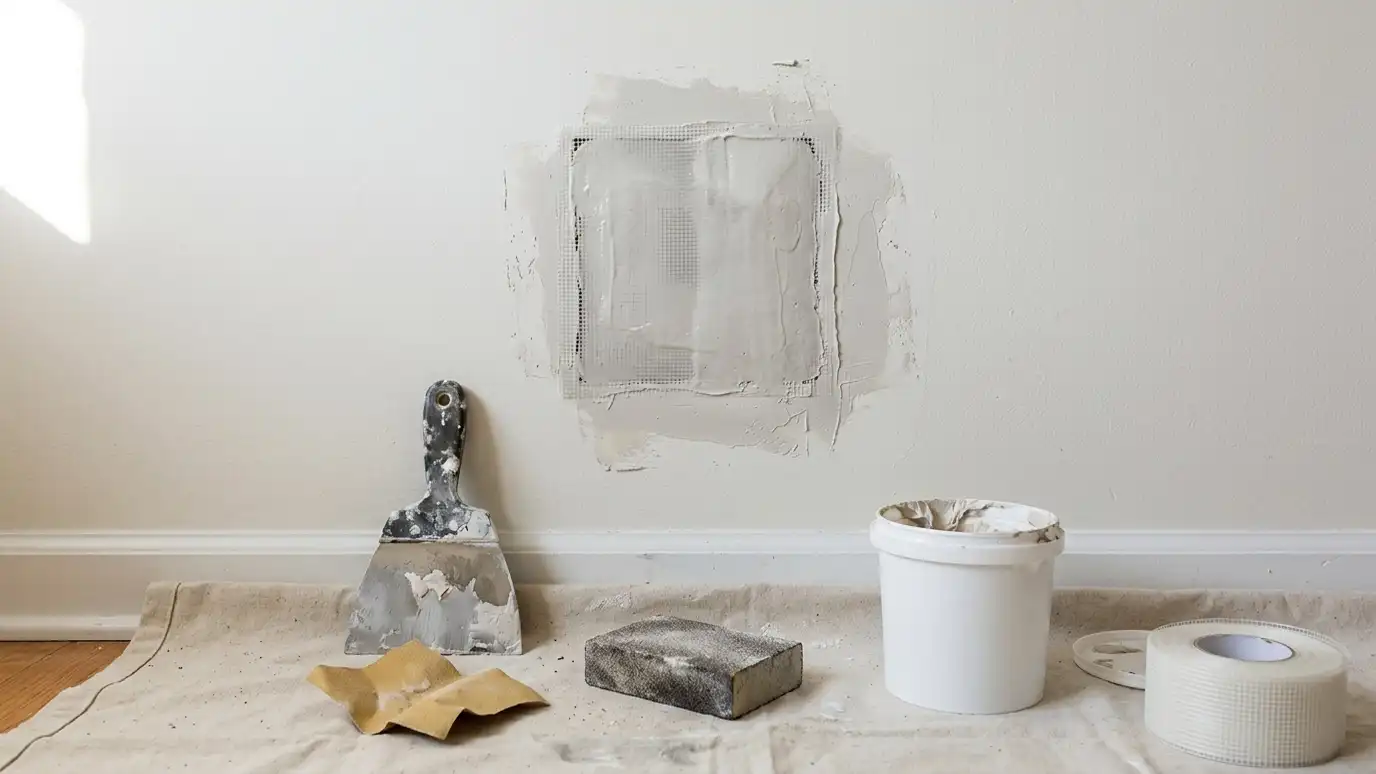 Drywall Hole and Crack RepairFixing doorknob holes, anchor holes, settling cracks and impact damage with strong, invisible patches.Explore
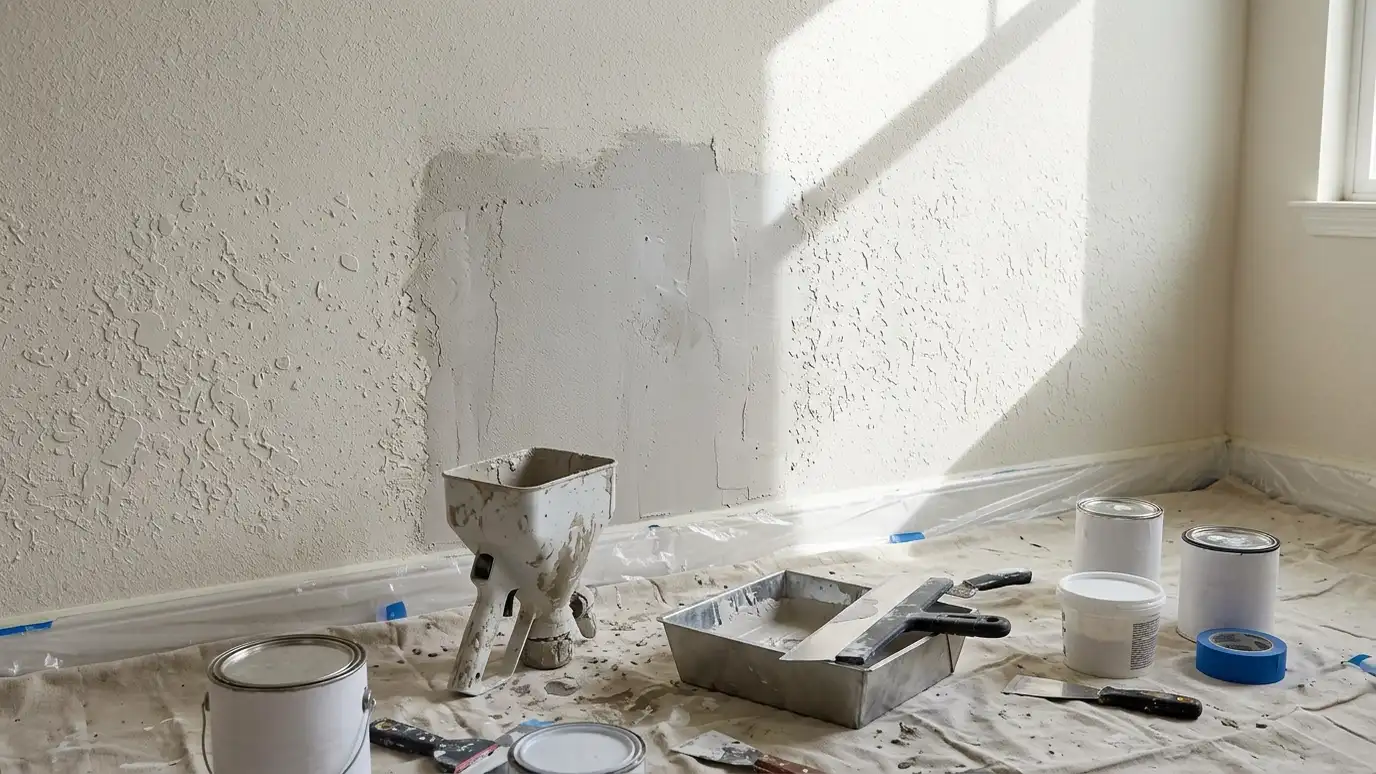 Drywall Texture MatchingMatching orange peel, knockdown, skip trowel and other wall and ceiling textures so repairs blend in.Explore
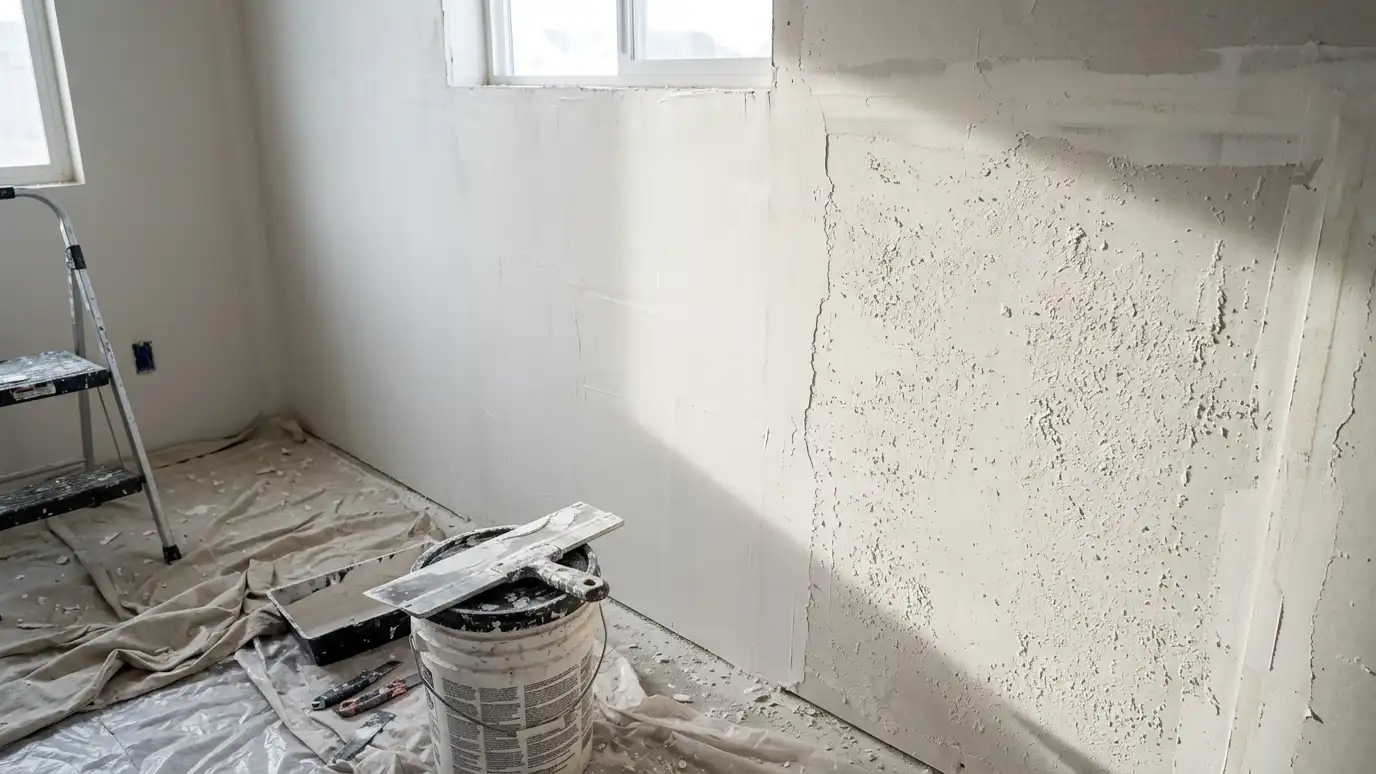 Skim Coating and Plaster RepairSmoothing damaged, textured or old plaster walls with thin coats of compound for a flawless, paint-ready surface.Explore
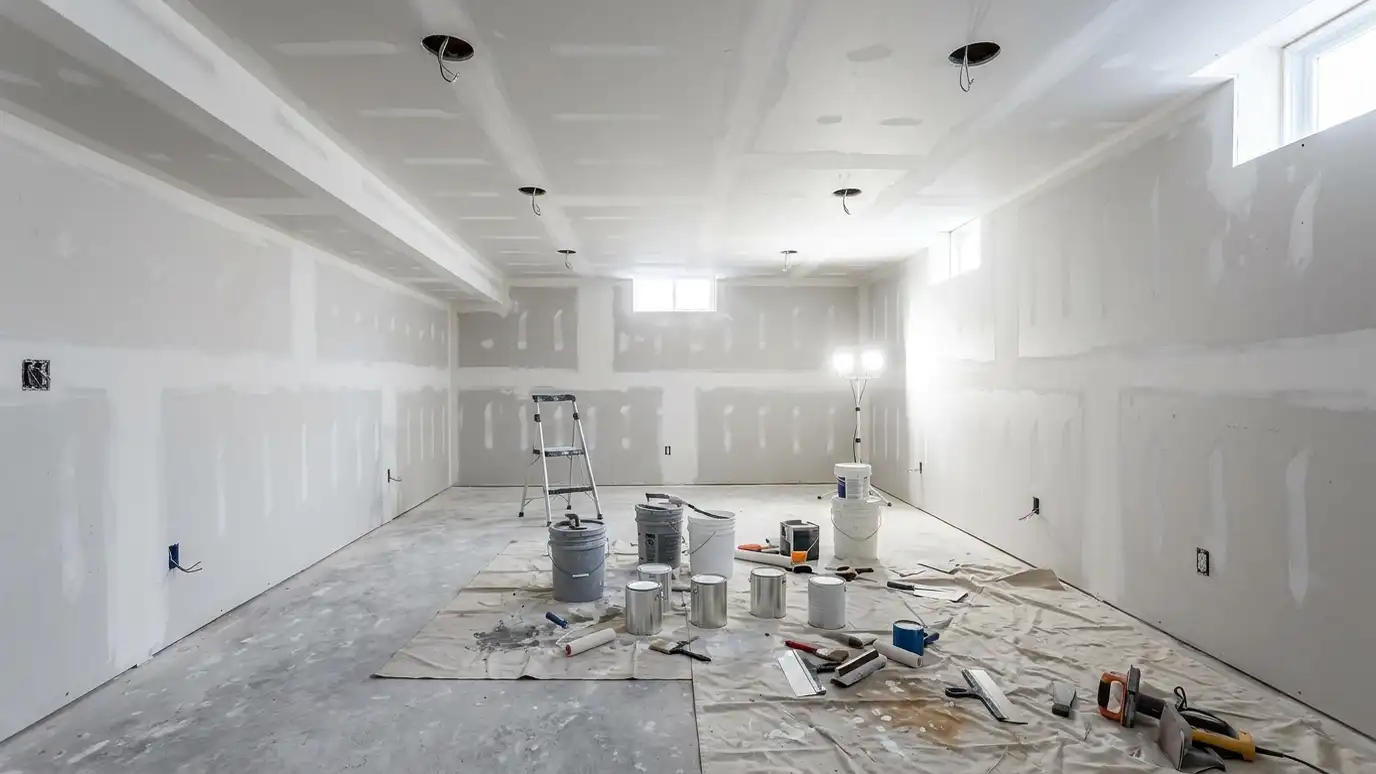 Garage and Basement DrywallHanging and finishing drywall in garages and basements with moisture awareness, fire-rated options and clean results.Explore
Check problems, pick a sheen or ballpark a budget.
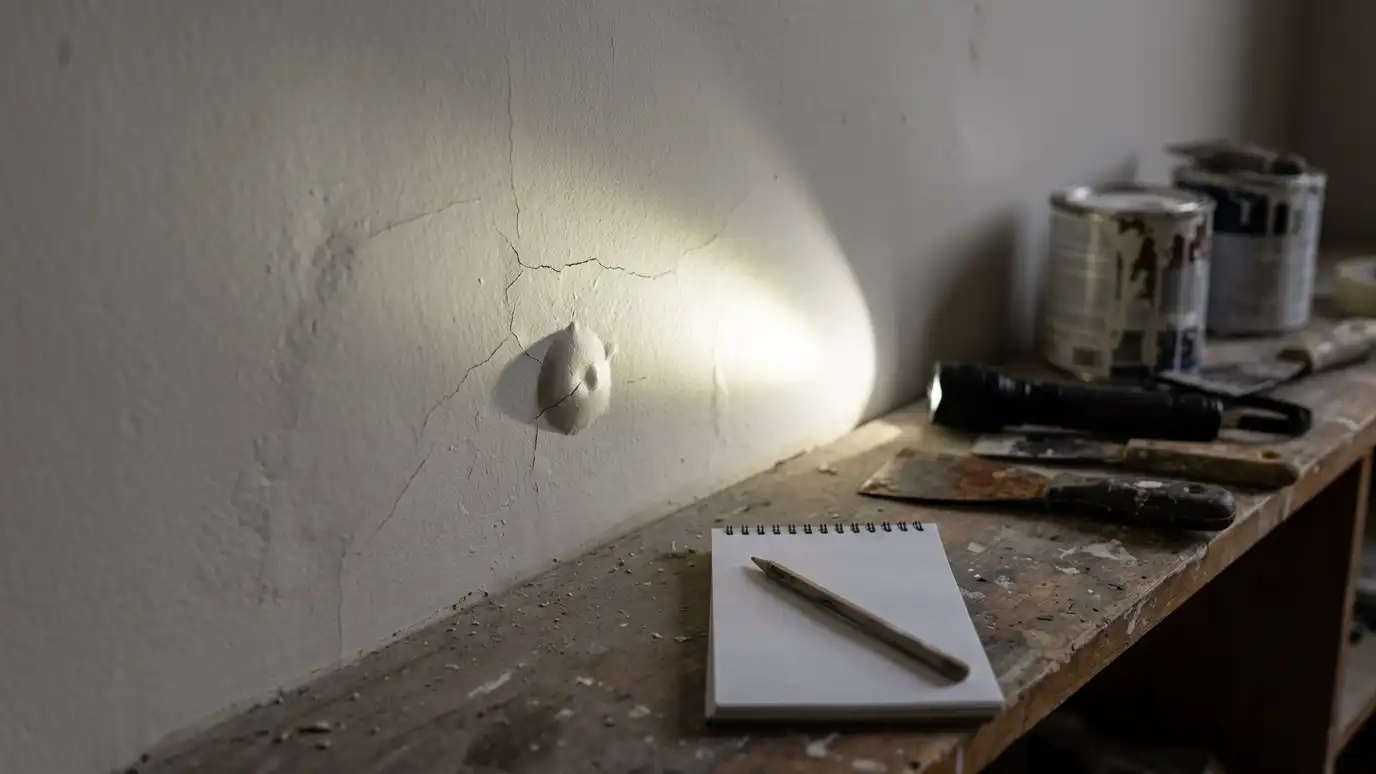 Wall and Paint Problem CheckerPick what you see on a wall, ceiling or exterior to get likely causes, what to do first and the service page that fits.Try it
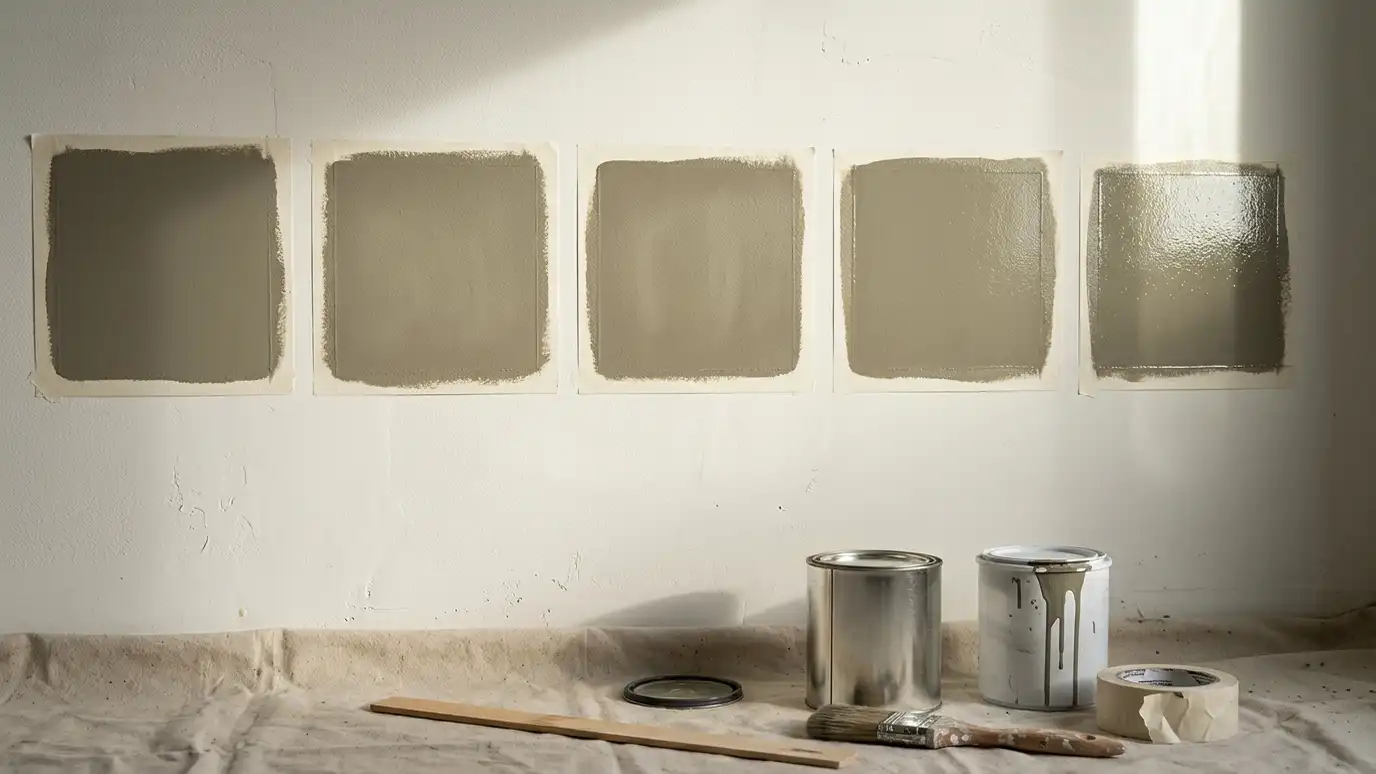 Paint Sheen and Finish PickerChoose the room or surface and see which paint sheen and finish usually fits, with reasons and care tips.Try it
 Painting and Drywall Budget PlannerPick a painting or drywall job, set the size and add extras to see a ballpark planning range for your project.Try it
No. It helps with glossy paint and strong side light. Level four is fine for many walls.
Often the finish level was too low for the paint sheen or the light in the room.
A full skim coat over the wall is how level five is achieved.
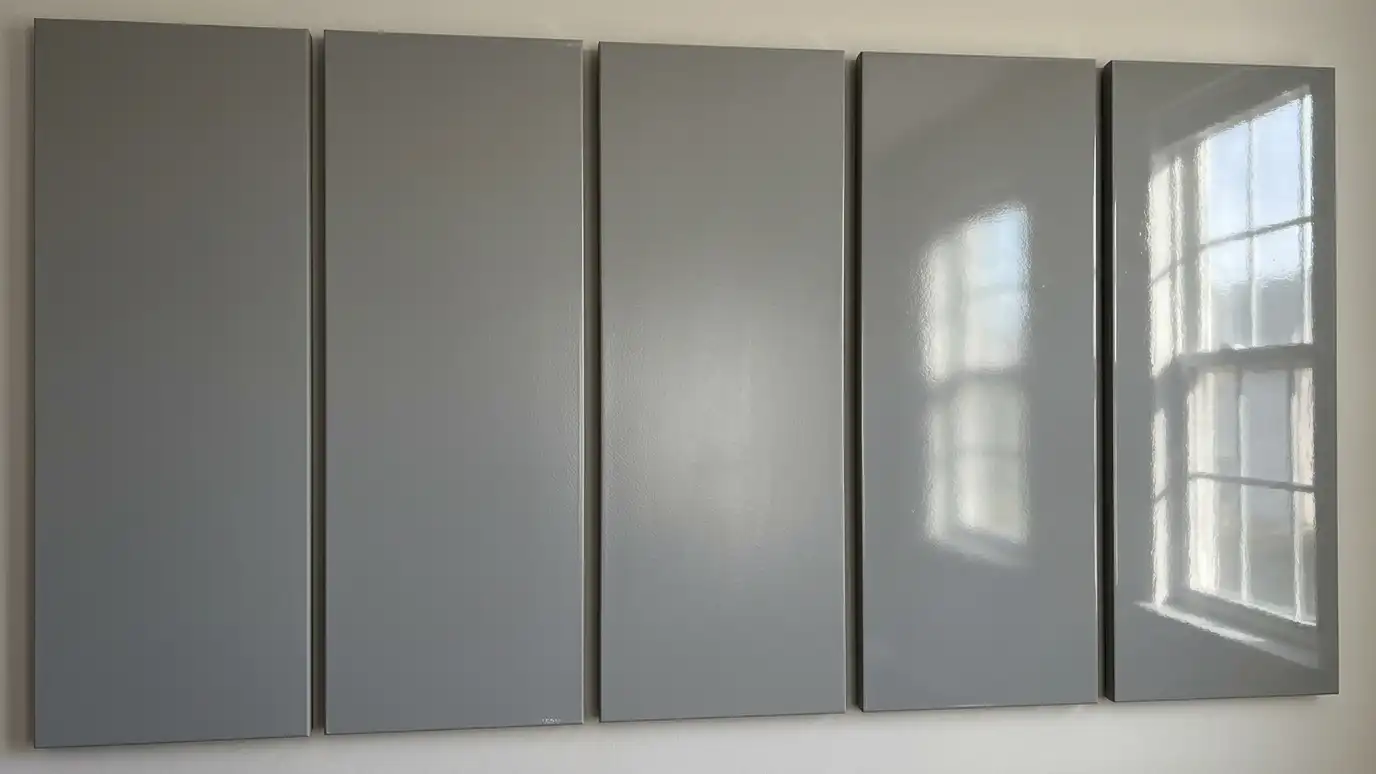 Topic guidePaint Types and SheensWater-based and oil-based paint, primers and the five common sheens, from flat to gloss, and where each belongs…Learn more
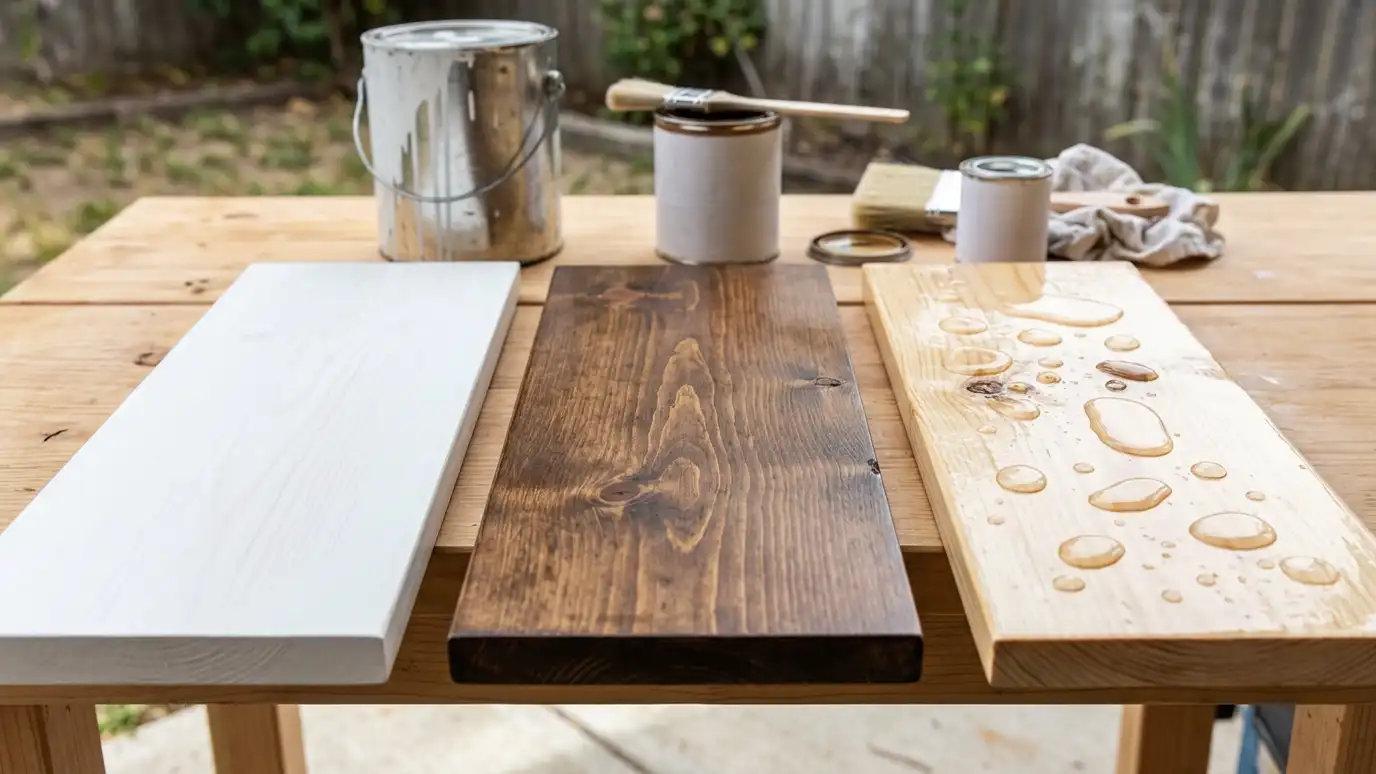 Topic guidePaint, Stain and SealerHow paint, transparent and solid stains and clear sealers differ for decks, fences, siding and interior wood.Learn more
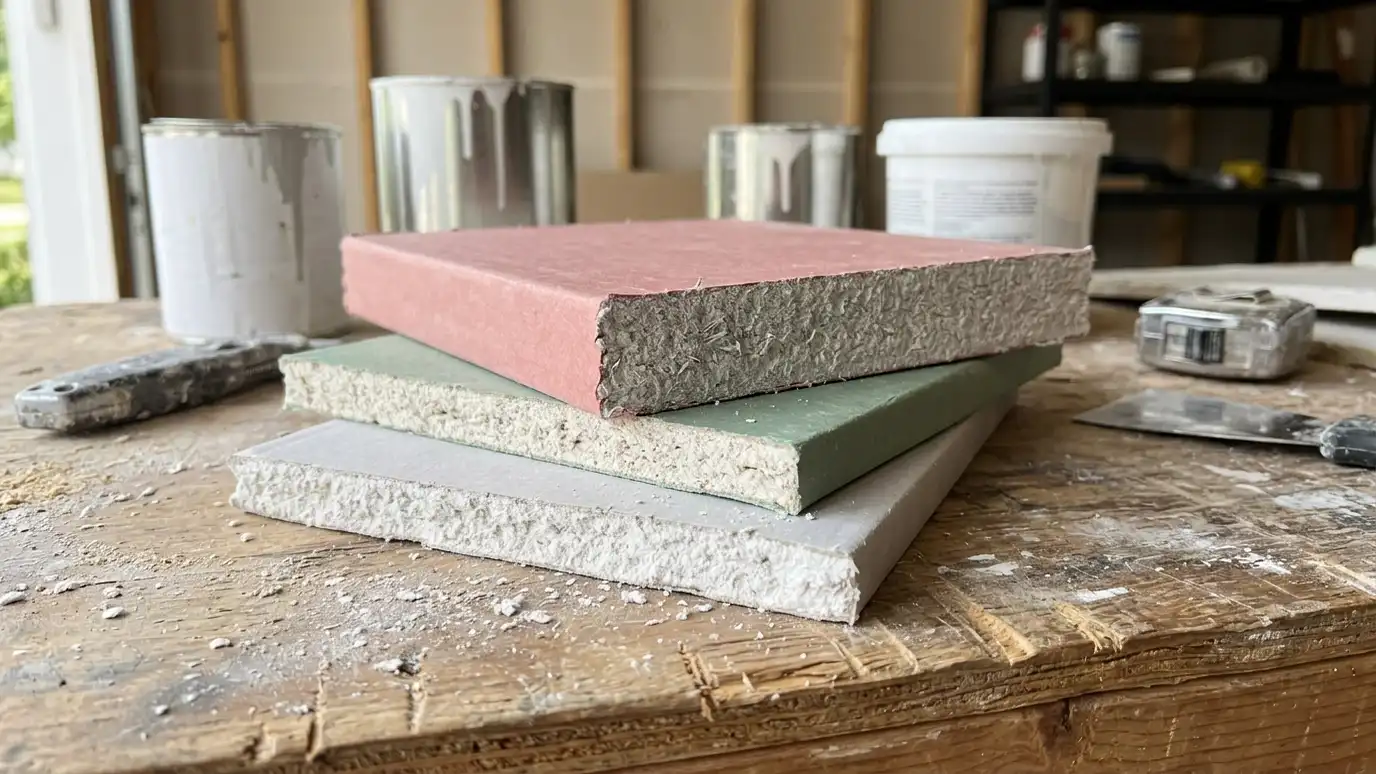 Topic guideDrywall Types and ThicknessesStandard, moisture-resistant, fire-rated, lightweight and soundproof drywall, and where quarter-inch to five-eighths-inch board belongs.Learn more
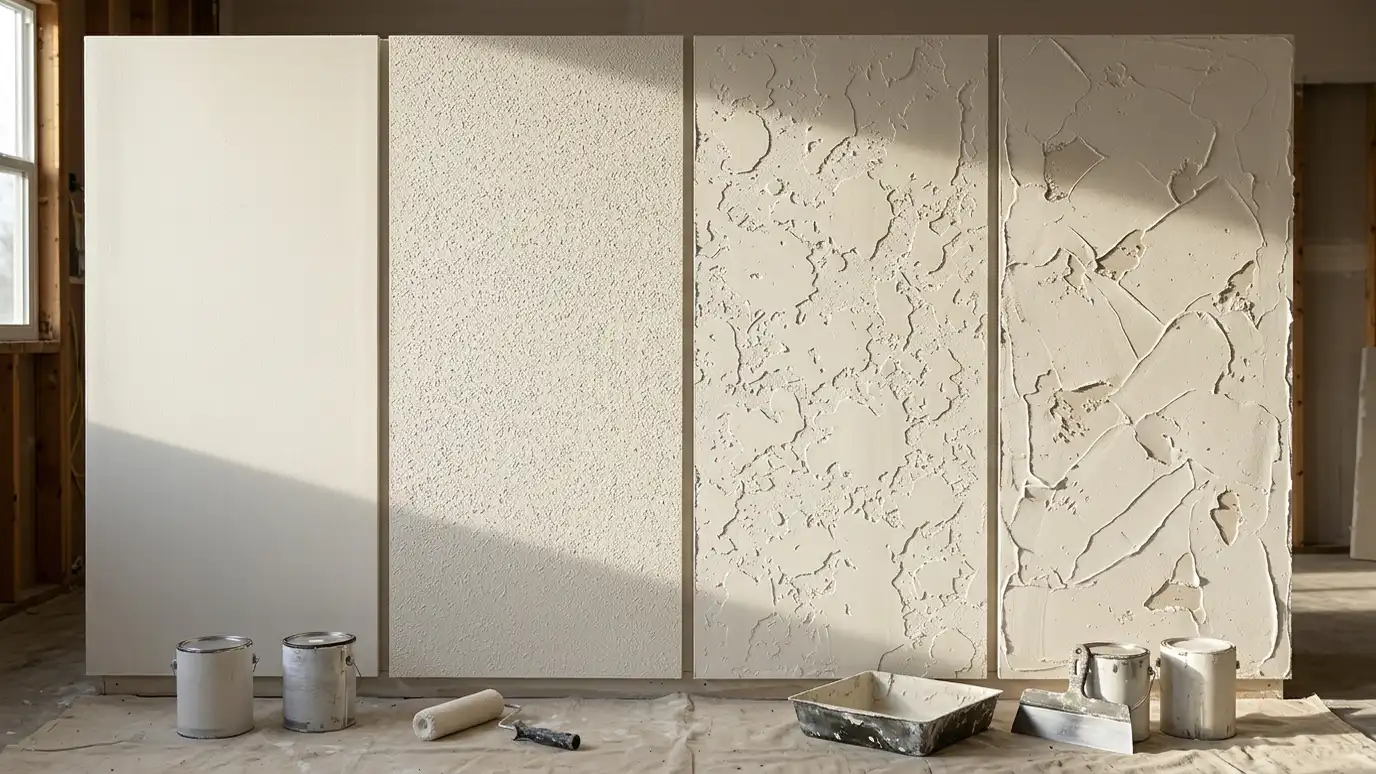 Topic guideDrywall Texture TypesSmooth, orange peel, knockdown, skip trowel, slap brush and popcorn textures compared for look, upkeep and repair.Learn more
Call us and describe your project. We will walk the space, explain the prep and give you a clear written estimate.