Taping, mudding and sanding to the finish level your paint needs, from standard to smooth skim-coated walls.
Taping and finishing is the craft inside drywall. Hanging board is quick, but turning a wall of sheets and screws into a single flat surface takes patience: embedding tape, filling screw heads, then coating, drying and sanding in layers. Finish levels range from basic coverage for areas that will be hidden to very smooth surfaces for glossy paint and raking light. Choosing the right level matters, because a high-gloss paint on a basic finish will show every flaw, while an unnecessary smooth finish adds cost where nobody will see it.
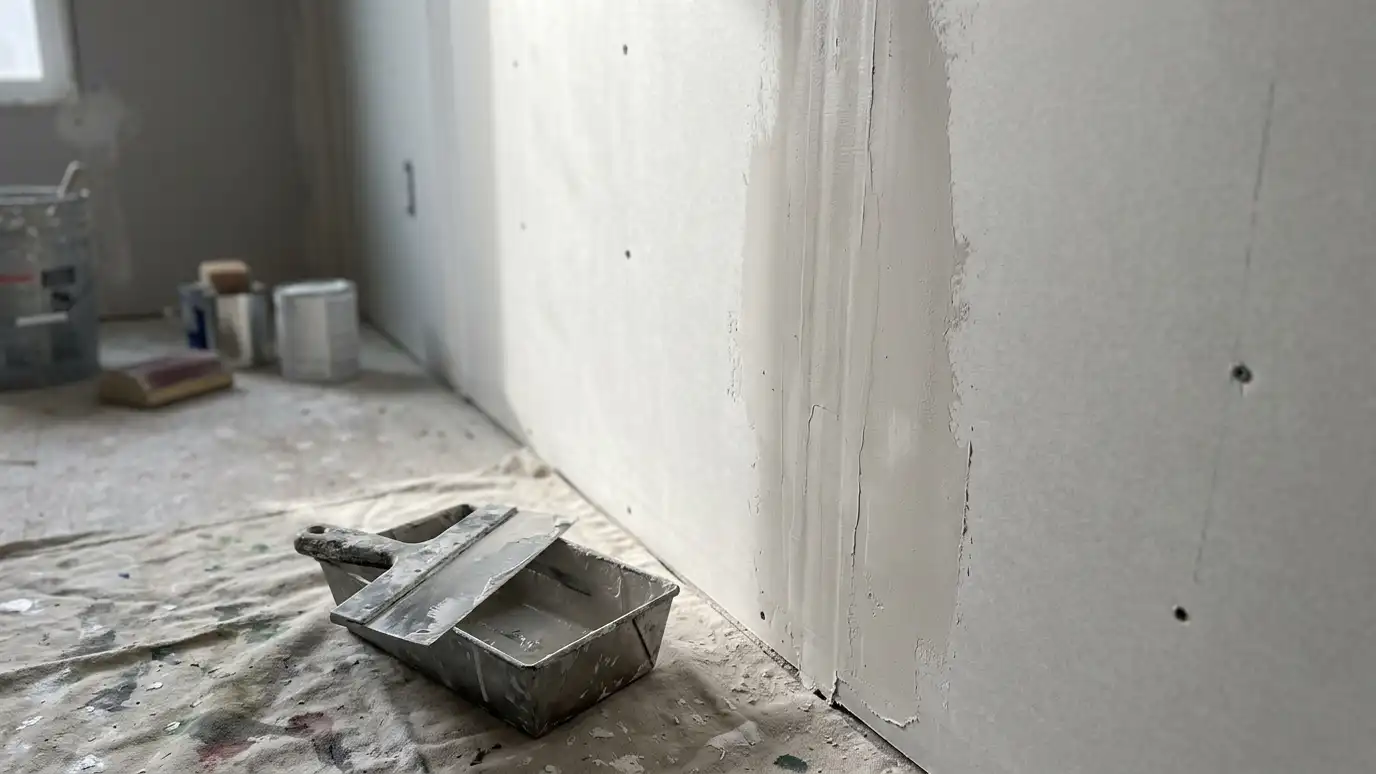
We talk through the paint sheen and lighting in each room and recommend a finish level to match. We embed tape in joints, fill fasteners and apply thin coats of compound, sanding between coats and checking with a work light held at an angle. For the smoothest walls, we skim coat the entire surface. We prime, inspect and hand over a wall that is ready for paint. We keep dust controlled with plastic sheeting and clean up well.
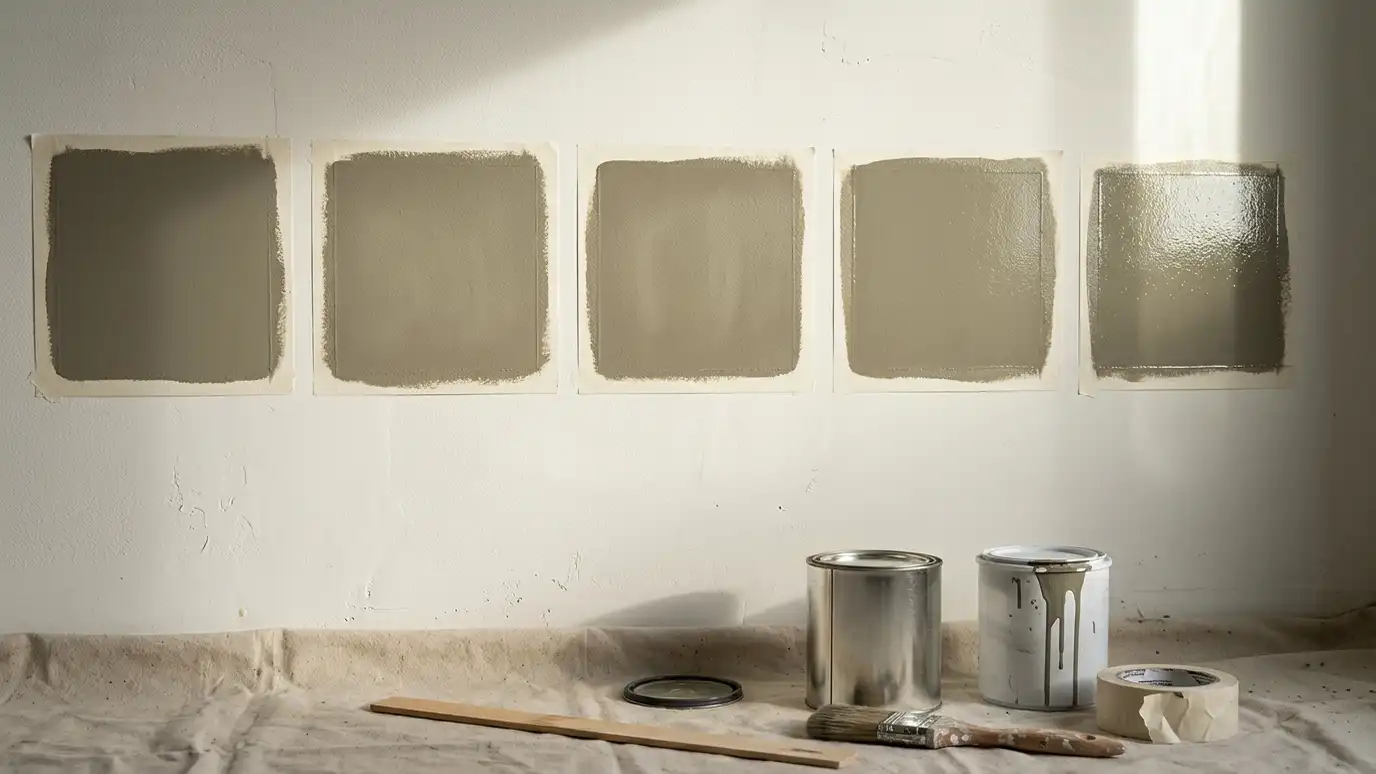
We match finish level to paint sheen and lighting so you are not paying for more or less than the room needs.
A work light held low shows flaws that daylight hides, and we fix them before priming.
A thin coat over the full wall gives glass-smooth results for high-end finishes.
Plastic sheeting and careful sanding keep fine dust from spreading through the house.
Matched to your paint.
Strong joints.
Flat surface.
Smooth transitions.
Flaws caught early.
A cleaner home.
Every topic has its own page with what to expect and how we approach it.
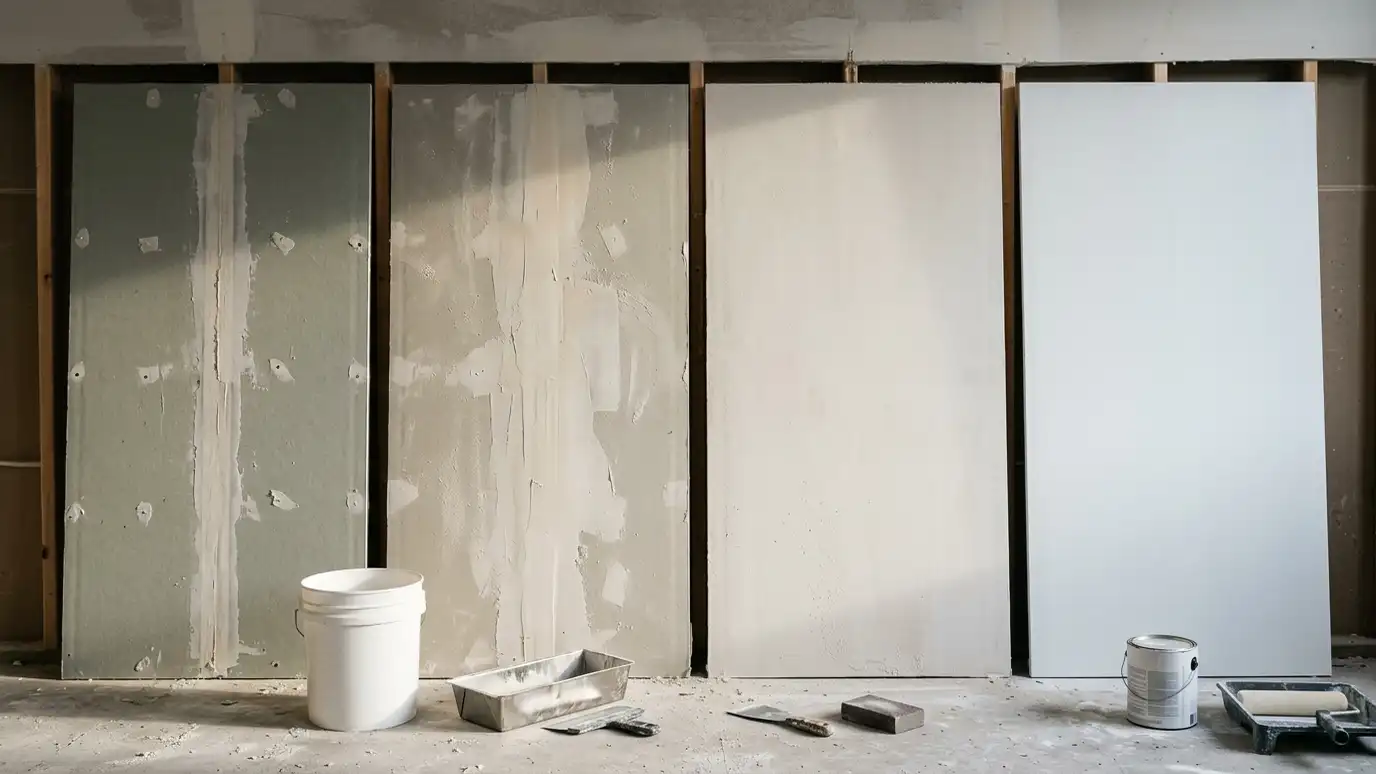 Topic guideDrywall Finish LevelsWhat finish levels zero through five mean, which to choose for your paint and lighting and why smoother…Learn more
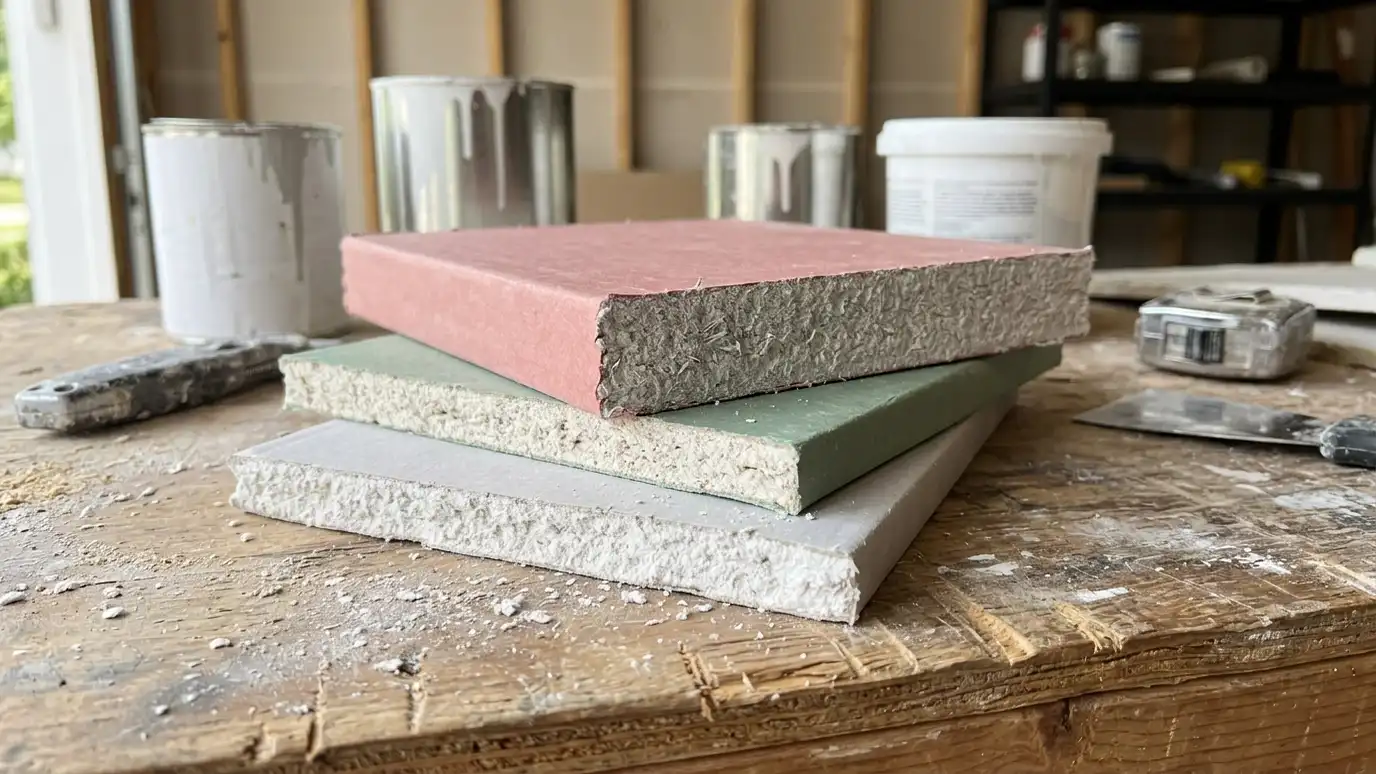 Topic guideDrywall Types and ThicknessesStandard, moisture-resistant, fire-rated, lightweight and soundproof drywall, and where quarter-inch to five-eighths-inch board belongs.Learn more
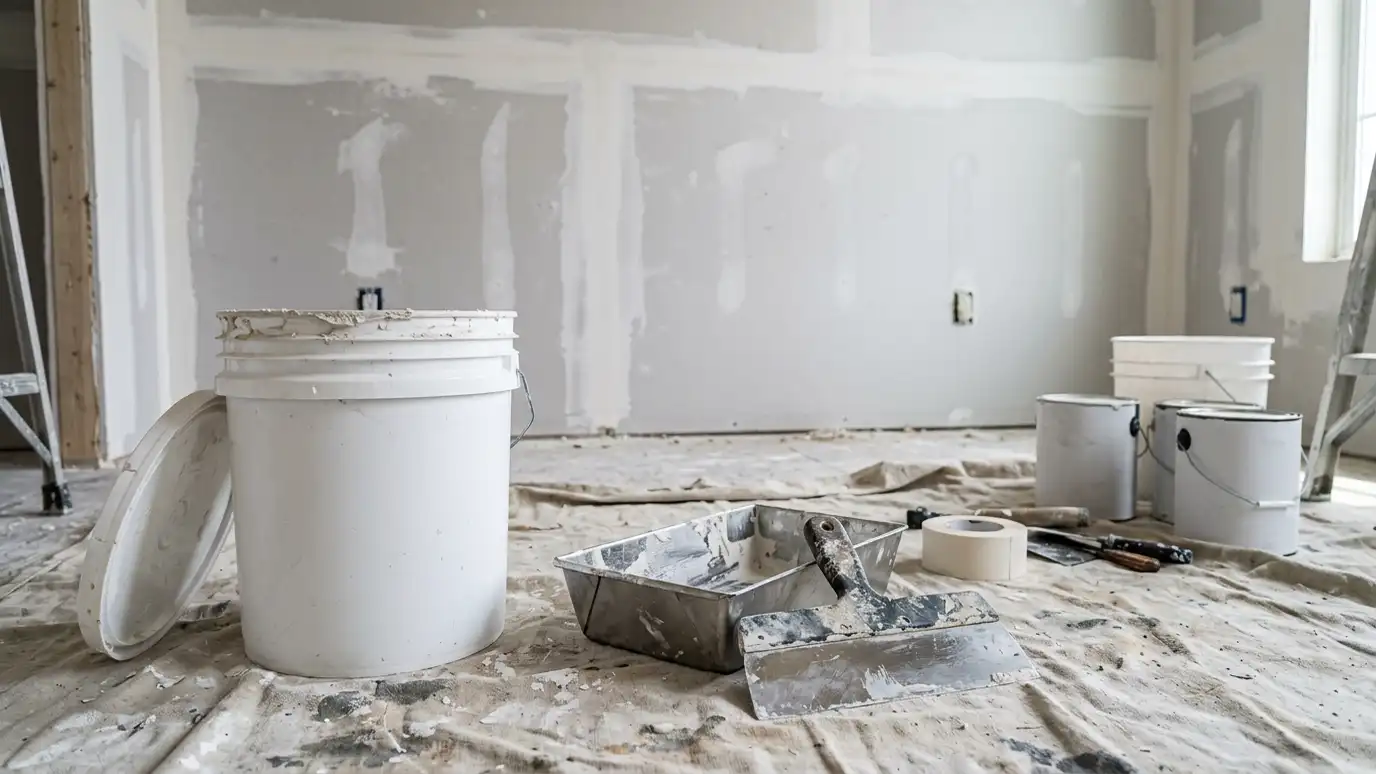 Top brandLevel 5A drywall tool brand with knives, mud pans, corner tools and finishing equipment used by professional crews.Learn more
Enter wall and ceiling sizes to see how many sheets, how much compound, tape and screws a drywall job needs.
You tell us what you want painted or repaired and when, and we set an estimate visit that fits your day.
We look at the walls, ceilings, trim or exterior, check the condition and note repairs and prep.
You get a plain written scope with products, coats and schedule, and help choosing colors and sheens.
We protect your home, then clean, scrape, sand, patch, caulk and prime so paint bonds and lasts.
We paint ceilings, walls, trim and doors in order, with proper dry time and clean, crisp lines.
We clean up, walk the finished work with you, fix touch-ups and explain how to care for the finish.
They range from level zero to level five, describing how smooth the surface is. See our finish levels guide.
For glossy paint and strong side light, yes. For flat paint on ordinary walls, level four is often fine.
Sanding makes fine dust. We contain it with sheeting and clean thoroughly.
Usually three coats on joints, with drying and sanding between them.
Yes. We finish repairs the same way, just on a smaller scale.
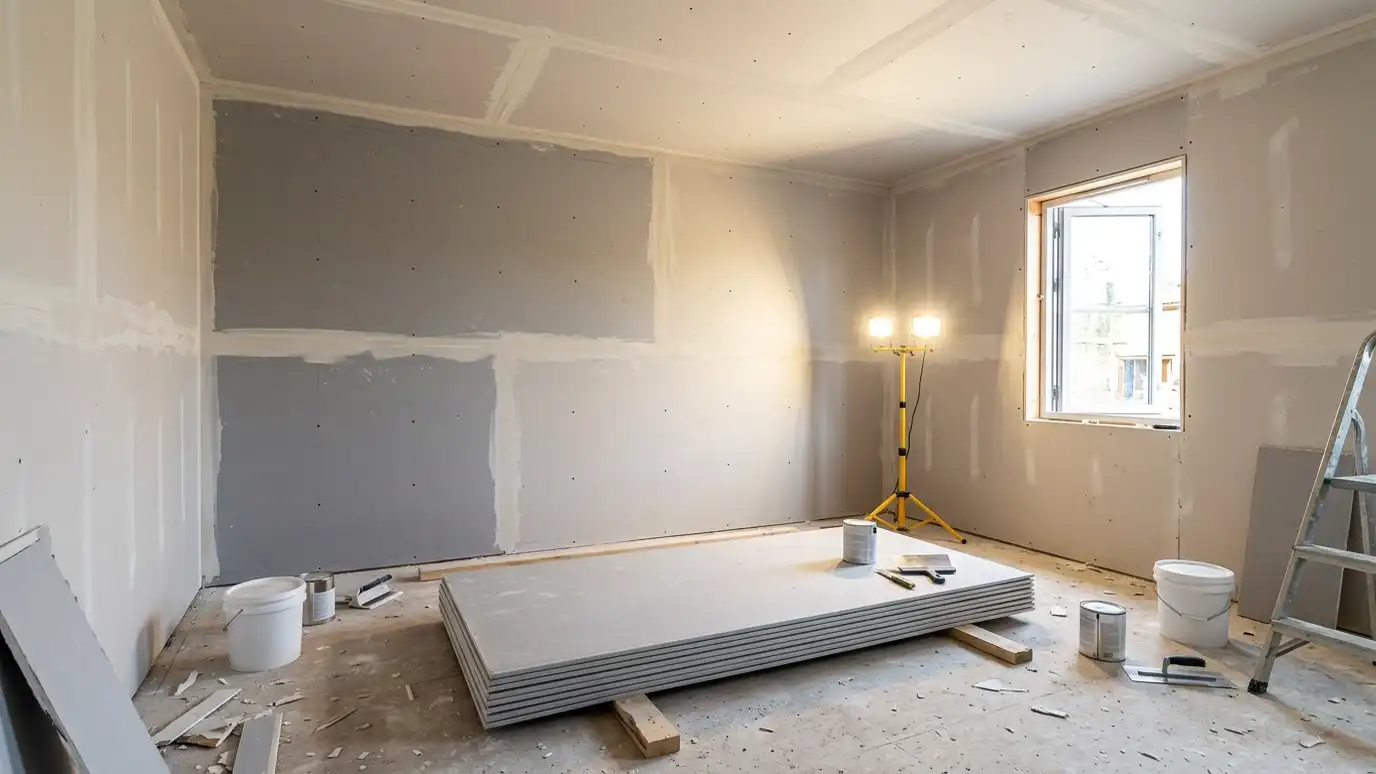 Drywall InstallationHanging, taping, mudding and sanding new drywall for additions, basements, garages and whole-house remodels.Explore
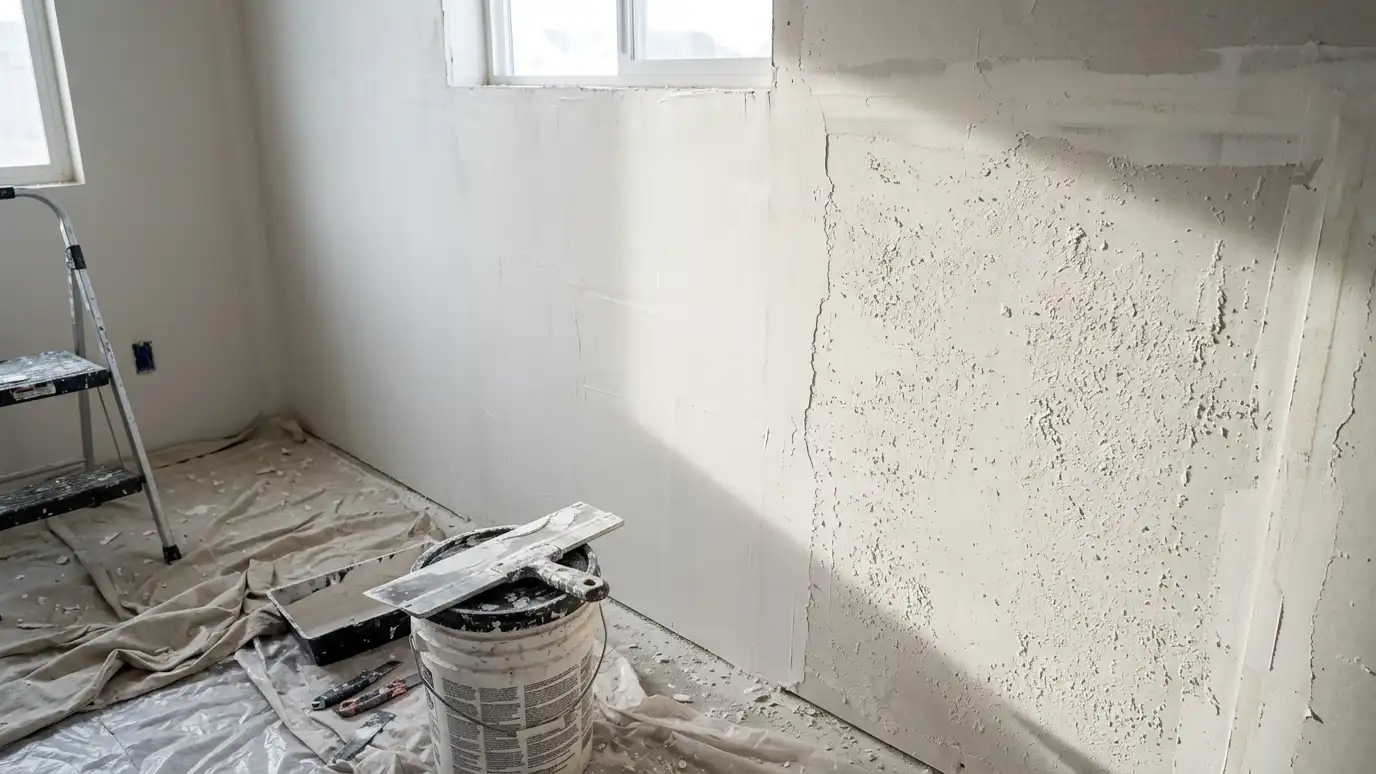 Skim Coating and Plaster RepairSmoothing damaged, textured or old plaster walls with thin coats of compound for a flawless, paint-ready surface.Explore
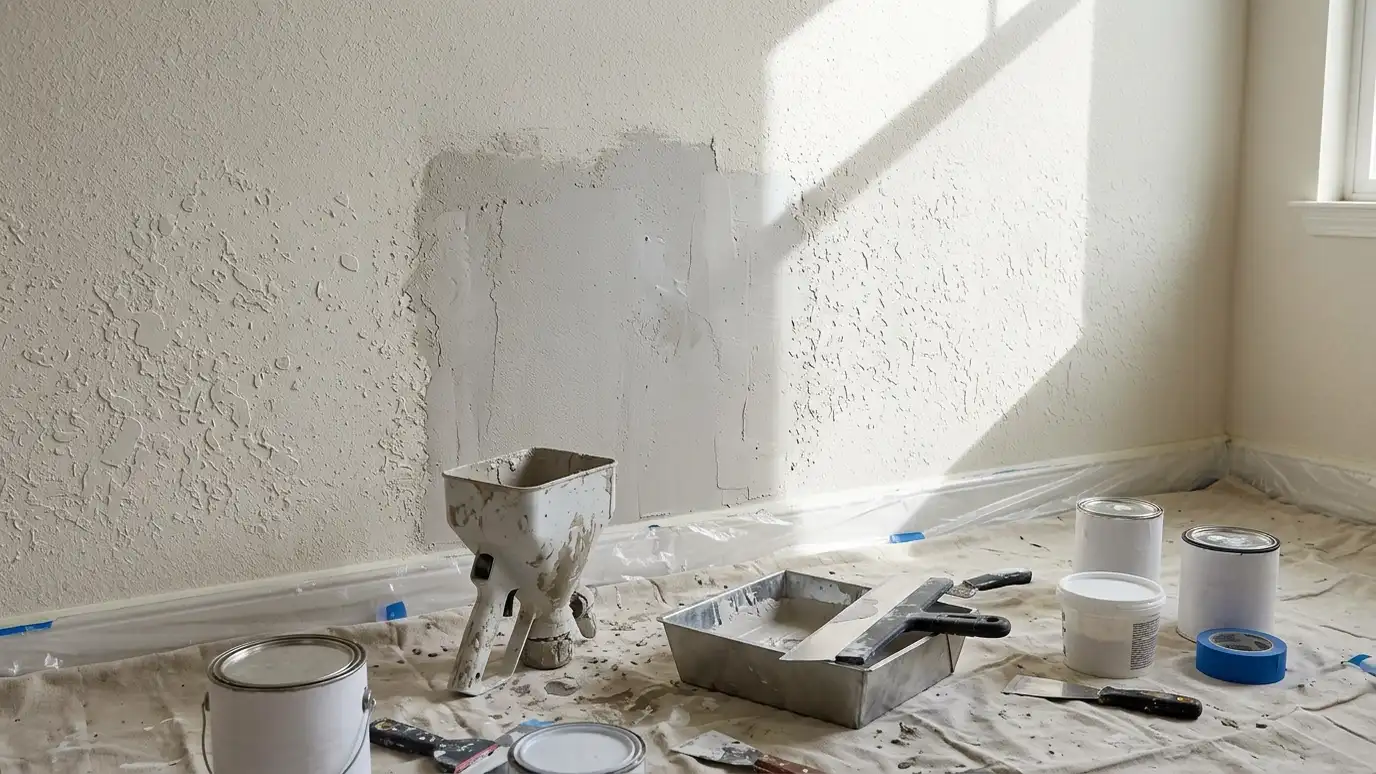 Drywall Texture MatchingMatching orange peel, knockdown, skip trowel and other wall and ceiling textures so repairs blend in.Explore
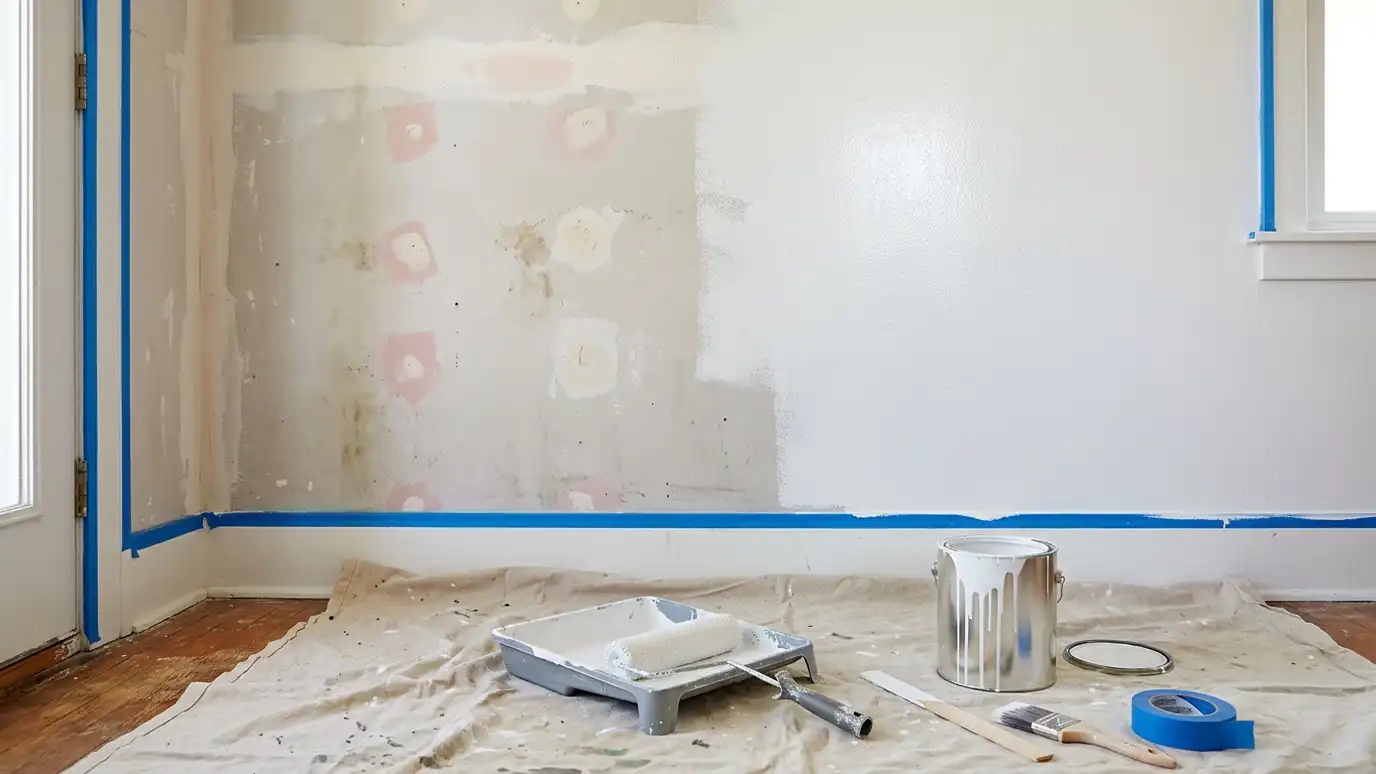 Surface Preparation and PrimingCleaning, scraping, sanding, repairing and priming surfaces so paint bonds well and looks smooth for years.Explore
Tell us about your project and we will call you back to set up a visit.
Or call (615) 357-7797 to talk now.